Small-Space Nursery Ideas That Stay Safe and Functional
Published How we research
A small room or a shared bedroom can still make a fully functional nursery, since a baby's needs take up less space than the amount of gear marketed to parents suggests. The key is choosing pieces that do more than one job and using vertical space well. With some planning, even a corner of another room can hold everything a newborn requires.
Products from this article
The highest-scoring picks from the buying guides this article links to. Scores are our editorial assessment, not customer ratings.
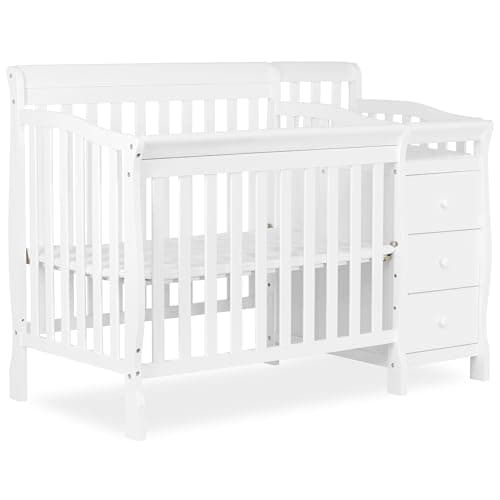
+ Crib, changing table with pad and safety strap, and three storage drawers in one footprint for a small nursery.
From our guide: Best Mini Cribs for Small Nurseries and Tight Spaces (2026)
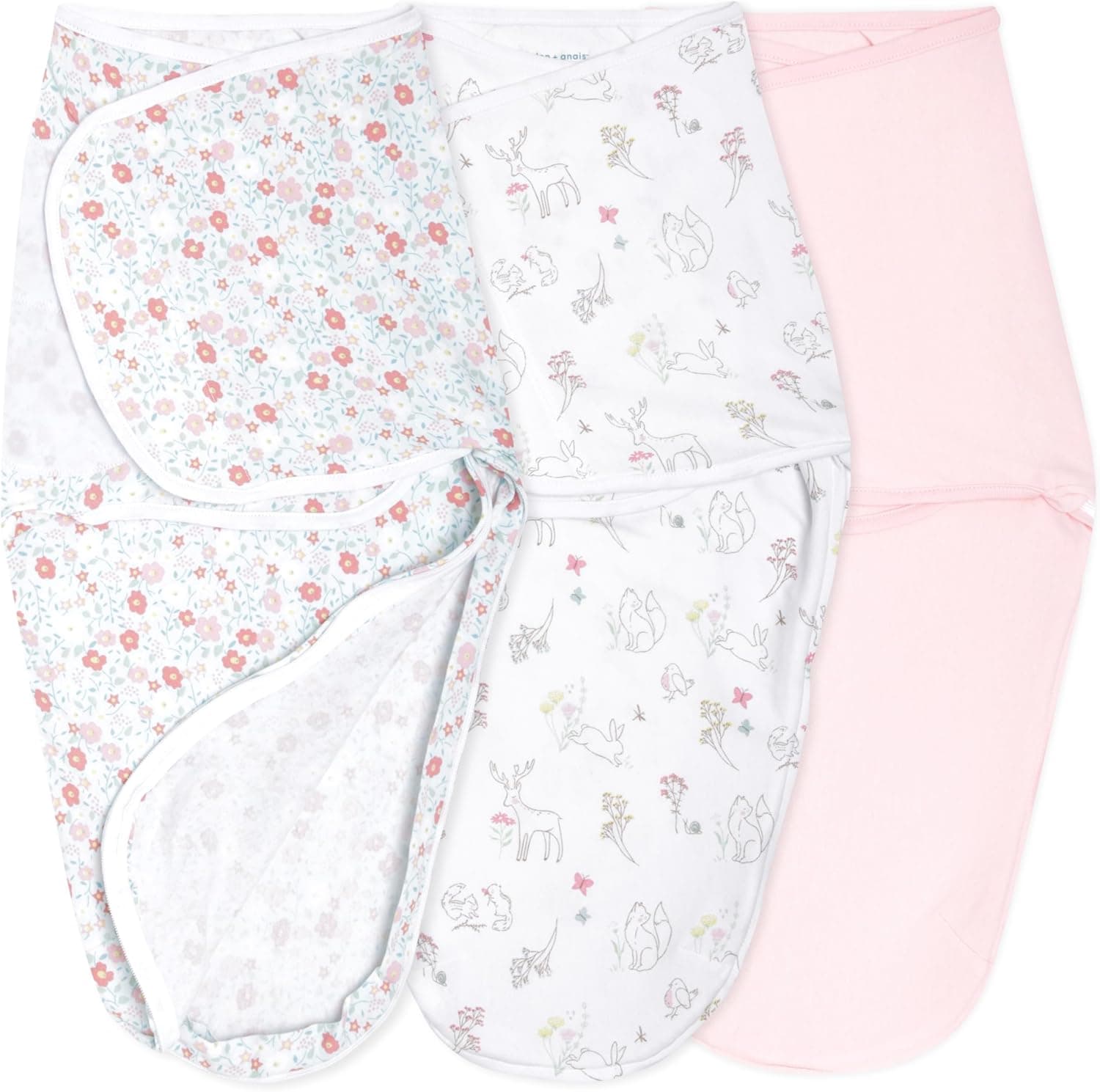
+ Bottom zipper allows diaper changes without unwrapping
From our guide: Best Swaddle Blankets for Snug, Safe Newborn Sleep (2026)
+ Ultra clear design blends into furniture
From our guide: Best Corner Guards for Baby Proofing
+ Includes a 2.75-inch foam mini crib mattress with a water-resistant cover, so there is no separate mattress to size.
From our guide: Best Mini Cribs for Small Nurseries and Tight Spaces (2026)

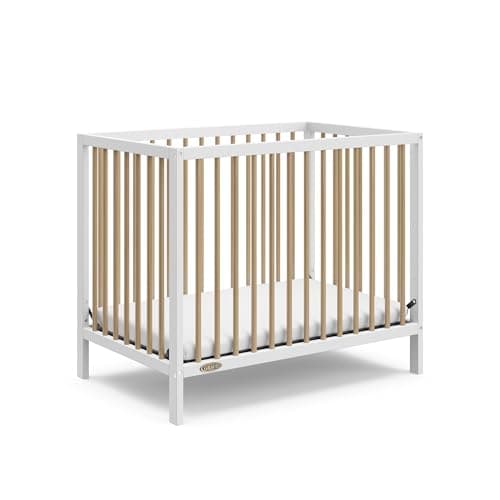
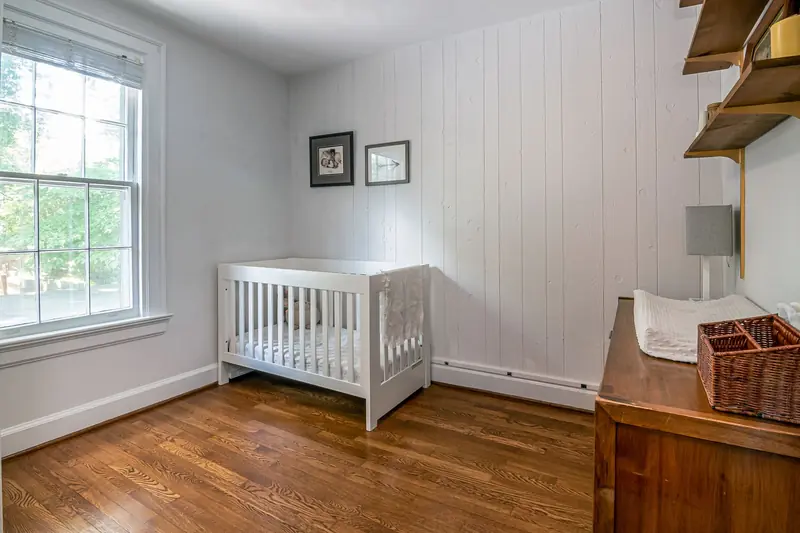
Start with the sleep space, which is non-negotiable but need not be large. A bassinet or a compact crib fits tight rooms, and some cribs come in smaller footprints designed for apartments. Whatever the size, it must meet safety standards, have a firm fitted mattress, and sit away from windows, cords, and heaters. In a shared room, position the crib to give the baby a defined, safe zone.
Combine functions to save floor space. A dresser topped with a changing pad handles both storage and diapering in one footprint, removing the need for a separate changing table. Choosing furniture that serves double duty is the single most effective small-space strategy. Look for a dresser with enough surface area for a contoured pad and enough drawers to hold clothing and supplies together.
Go vertical with storage. Shelves, hanging organizers, and over-the-door racks use wall space that would otherwise sit empty, keeping the floor clear. Mount shelves out of the baby's future reach and away from the crib so nothing can fall in. Wall-mounted storage keeps supplies visible and accessible without consuming the limited floor area a small nursery has to spare.
Edit ruthlessly and store the rest elsewhere. A newborn does not need every size of clothing or a year's worth of gear in the room at once. Keep the current size and immediate essentials in the nursery, and store larger sizes and seasonal items in another closet or under a bed. Rotating supplies as the baby grows keeps the small space from becoming cluttered and hard to move through.
Manage a shared room thoughtfully. When the nursery shares space with parents or a sibling, a curtain, low shelf, or furniture placement can create a sense of separation without walls. Keep the baby's sleep area calm and dim, and use blackout curtains to control light for naps. In a room shared with parents, this arrangement also supports the recommendation to room-share in the early months.
Keep safety central despite the tight quarters. A small room can tempt parents to place furniture close together, so make sure the crib still has clearance from cords and hazards, and anchor any tall furniture to the wall. Keep the path to the crib and changing area clear for nighttime navigation. A compact nursery that is well organized and safe works just as well as a large one, and often feels cozier for it.
Popular right now
- Best Bassinets for Safe Newborn Sleep Close By (2026)Buying guide
- How to Set Up a Bottle-Feeding Station in the NurseryArticle
- Best White Noise Machines for Calmer Baby Sleep (2026)Buying guide
- Best Wearable Blankets for Cozy, Blanket-Free Sleep (2026)Buying guide
- Best Crib Mobiles for Soothing Nurseries (2026)Buying guide
- Baby Clothing Size ChartArticle
Based on the last 28 days of search and visitor data.