How to Set Up a Bottle-Feeding Station in the Nursery
Published How we research
A well-organized bottle-feeding station saves time and reduces stress during the round-the-clock feeding of a newborn. Whether you feed formula, pumped milk, or a mix, having supplies grouped in one place means fewer trips across the house at three in the morning. The station can live in the nursery, the kitchen, or both, depending on where feeds usually happen.
Products from this article
The highest-scoring picks from the buying guides this article links to. Scores are our editorial assessment, not customer ratings.
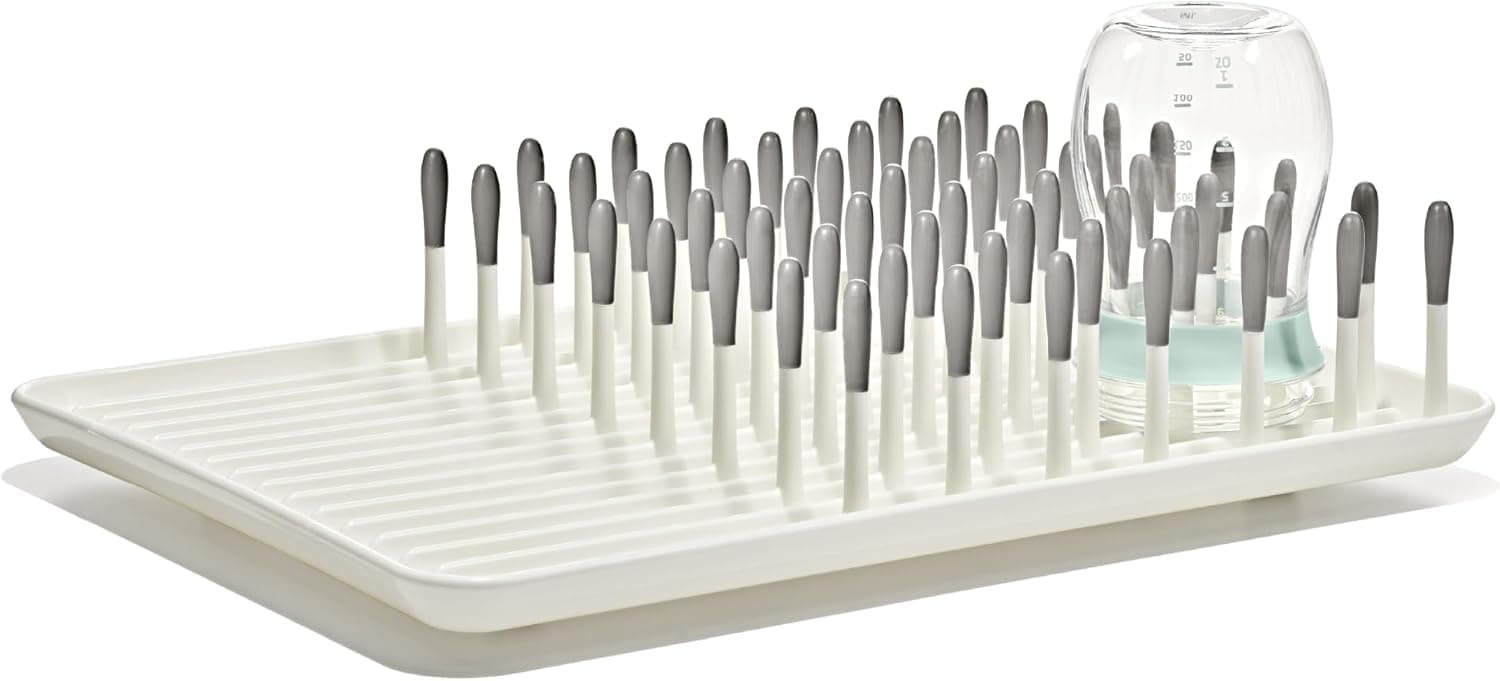
+ Holds up to 8 bottles, enough for a day's worth of feeds
From our guide: Best Bottle Drying Racks for a Tidy, Hygienic Kitchen (2026)
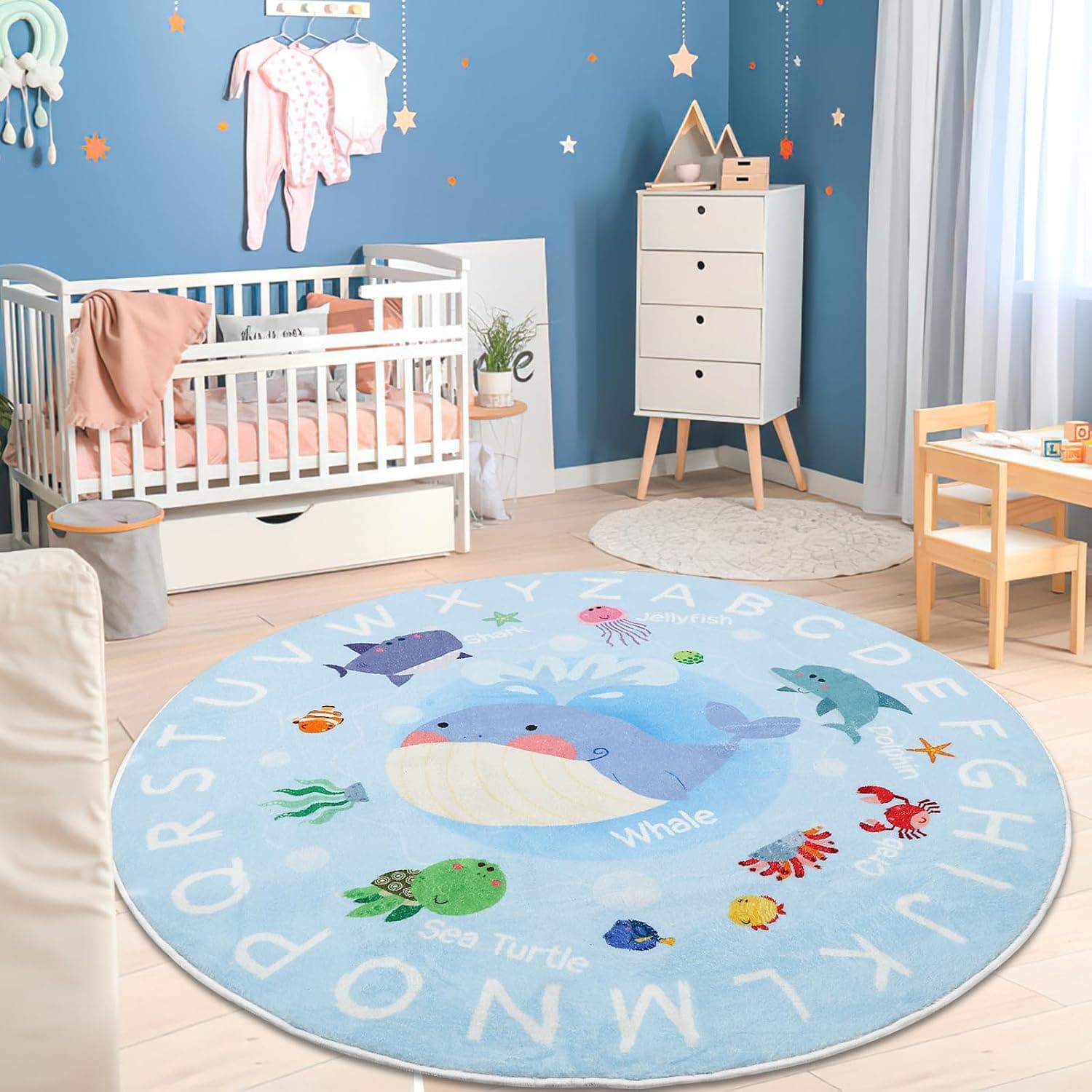
+ 4 ft round size fits under a glider or in a reading corner
From our guide: Best Nursery Rugs for Soft, Safe Floors (2026)
+ Soft silicone body can be squeezed, giving a breast-like feel to hold
From our guide: Best Baby Bottles for Comfortable, Gas-Free Feeding (2026)
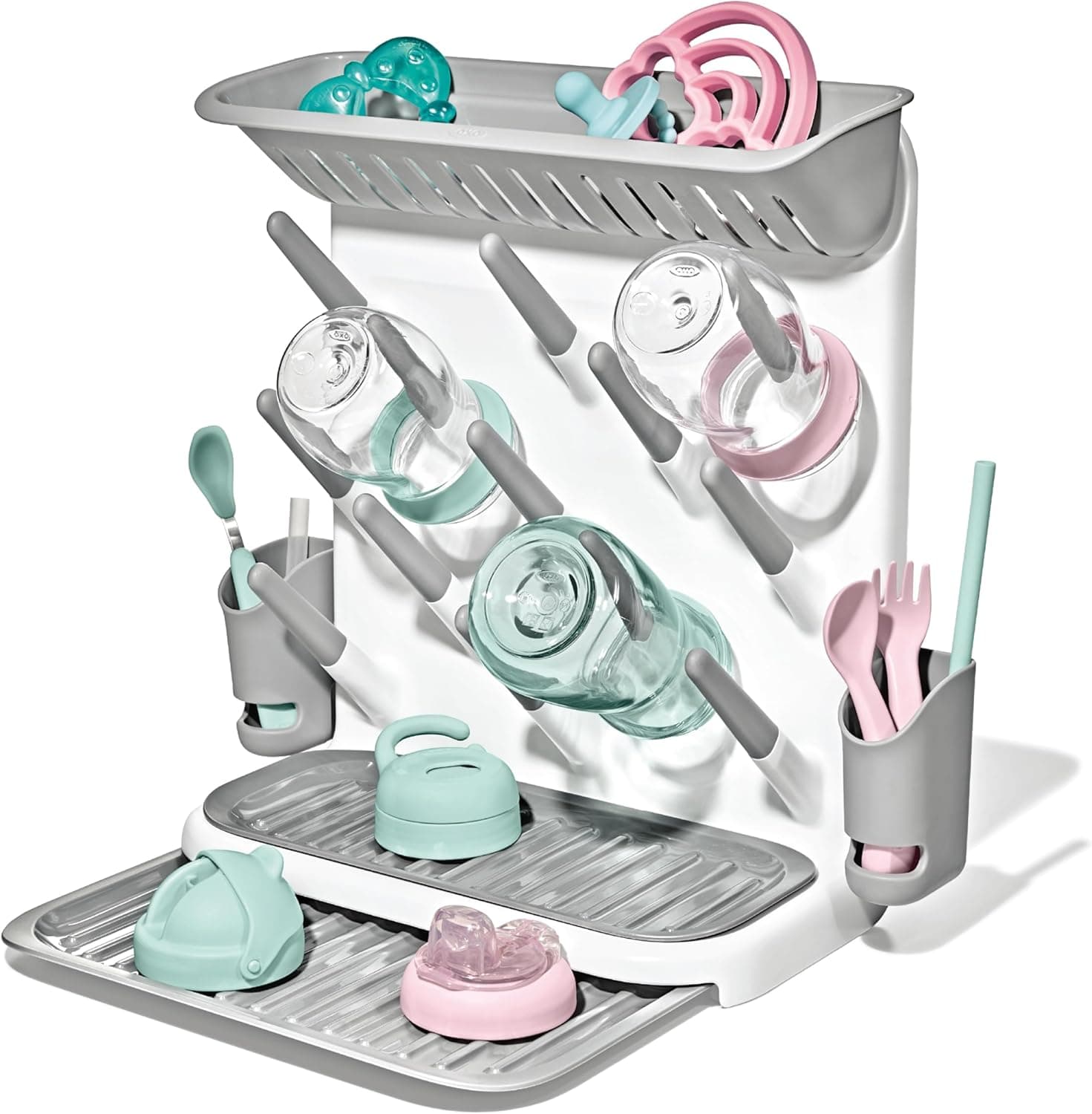
+ Expandable design grows when you have more bottles to dry
From our guide: Best Bottle Drying Racks for a Tidy, Hygienic Kitchen (2026)
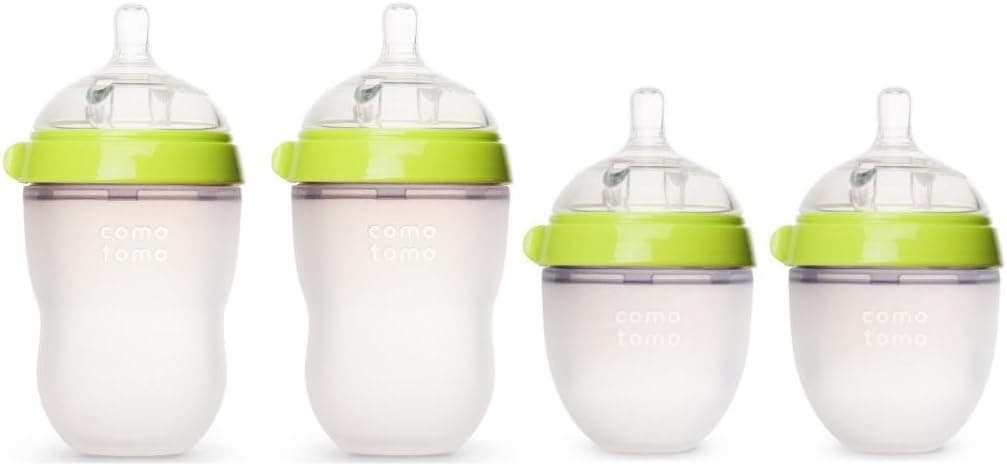

Start with the bottles themselves. Most families do well with six to eight bottles so there are always clean ones ready while others are being washed. Keep a range of nipple flow levels on hand, starting with the slowest for newborns and moving up as the baby grows and feeds more efficiently. Bottle brushes and a drying rack are essential companions and should sit near the sink where cleaning happens.
Organize the feeding supplies so the most-used items are easiest to reach. A small caddy or drawer can hold clean nipples, rings, and caps, while a labeled container keeps formula or a log of pumped milk organized. If you use formula, keep the can sealed and dry, and note the open date, since powdered formula should be used within the timeframe the manufacturer specifies after opening.
Safe preparation is the heart of the station. Wash hands before handling bottles, and follow the mixing ratio on the formula label exactly, without adding extra water or powder. Prepared formula that has not been touched by the baby can generally be refrigerated for the time stated on the label, while any bottle the baby has started should be used within an hour or two and then discarded. Never save leftover milk from a partly finished bottle.
Warming milk calls for care. A bowl of warm water or a bottle warmer heats gently and evenly, while microwaves are best avoided because they create hot spots that can burn a baby's mouth. Test the temperature by shaking a few drops onto your wrist; it should feel lukewarm, not hot. Room-temperature or even cool milk is fine for many babies, so warming is a preference rather than a requirement.
Cleaning routines keep everything safe. Take bottles apart fully and wash all parts in hot soapy water or a dishwasher after each use, then air dry on a dedicated rack. For newborns and premature babies, sterilizing bottles once a day is often recommended for the first few months, after which regular washing is usually sufficient. Replace nipples when they show signs of wear such as stickiness, cracks, or a widened hole.
Keep a comfortable seat and a burp cloth within reach, and add a dim light if feeds happen at night. A small notepad or phone app for tracking amounts and times helps caregivers stay coordinated. With the station stocked and the routine clear, night feeds become a calmer, quicker part of the day.
Popular right now
- Best Bassinets for Safe Newborn Sleep Close By (2026)Buying guide
- Best White Noise Machines for Calmer Baby Sleep (2026)Buying guide
- Best Wearable Blankets for Cozy, Blanket-Free Sleep (2026)Buying guide
- Best Crib Mobiles for Soothing Nurseries (2026)Buying guide
- Baby Clothing Size ChartArticle
- Best Mini Cribs for Small Nurseries and Tight Spaces (2026)Buying guide
Based on the last 28 days of search and visitor data.