How to Set Up a Safe and Organized Nursery for Twins
Published How we research
Setting up a nursery for twins brings the challenge of doubling much of the gear while fitting it into a single room and keeping both babies safe. The good news is that twins need less duplicated equipment than expected, and thoughtful organization matters more than sheer quantity. Planning around shared space and separate sleep surfaces keeps a twin nursery workable.
Products from this article
The highest-scoring picks from the buying guides this article links to. Scores are our editorial assessment, not customer ratings.
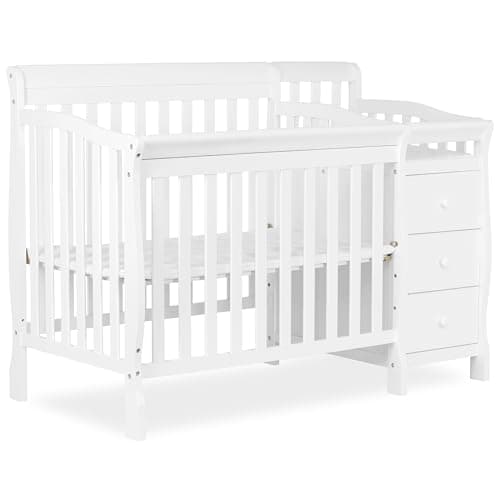
+ Crib, changing table with pad and safety strap, and three storage drawers in one footprint for a small nursery.
From our guide: Best Mini Cribs for Small Nurseries and Tight Spaces (2026)
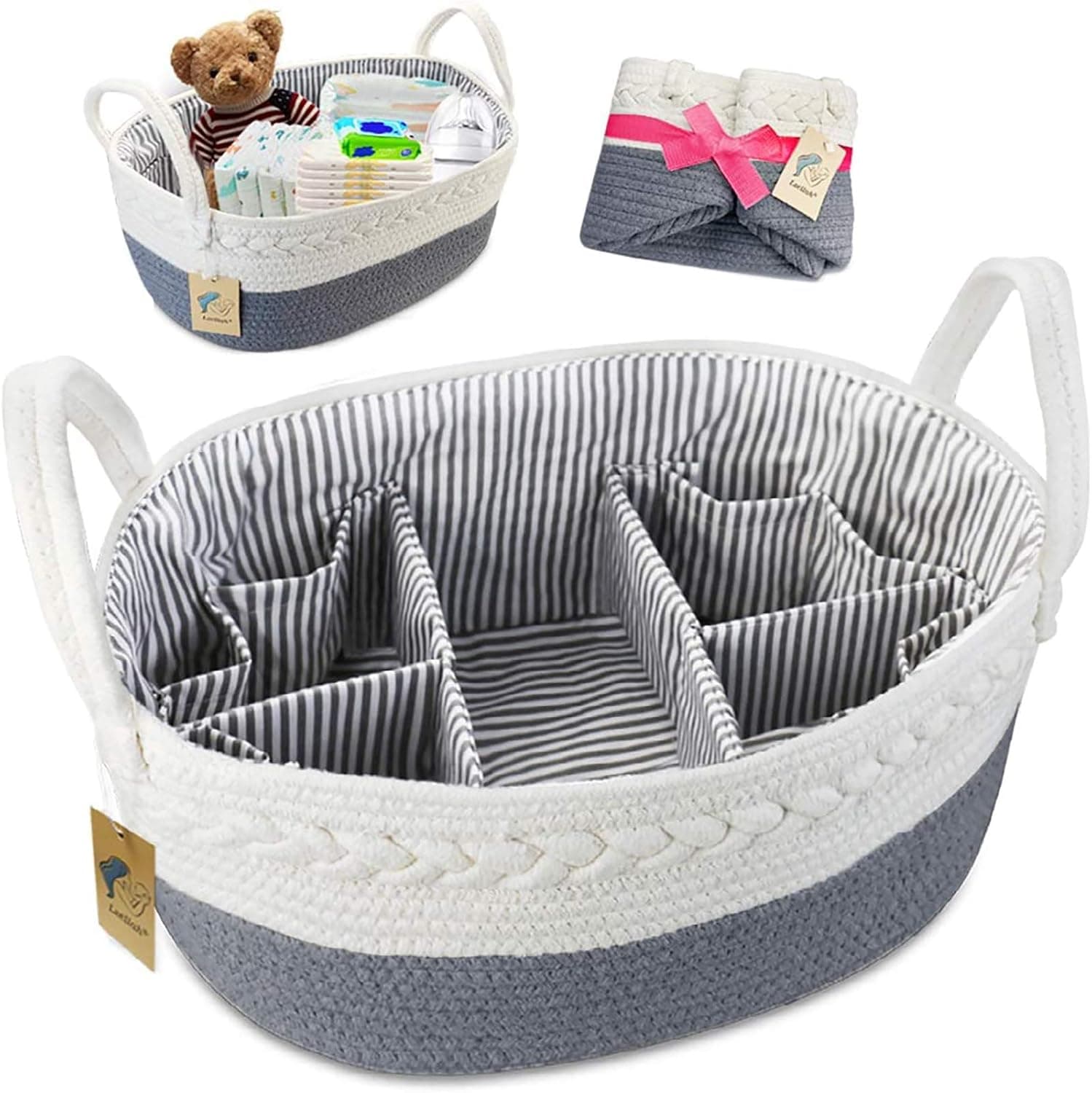
+ 8 pockets and 5 compartments separate creams, wipes and diapers neatly
From our guide: Best Diaper Caddies for Organized Changes (2026)
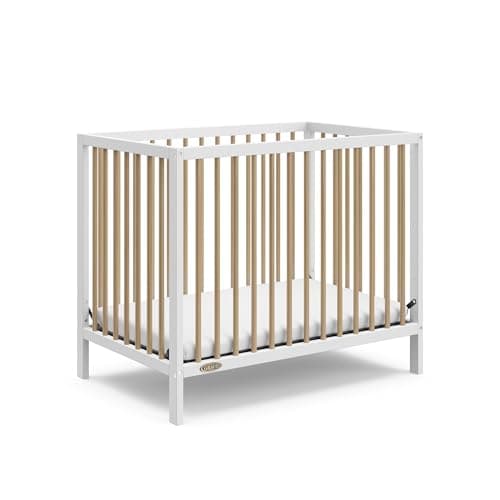
+ Includes a 2.75-inch foam mini crib mattress with a water-resistant cover, so there is no separate mattress to size.
From our guide: Best Mini Cribs for Small Nurseries and Tight Spaces (2026)
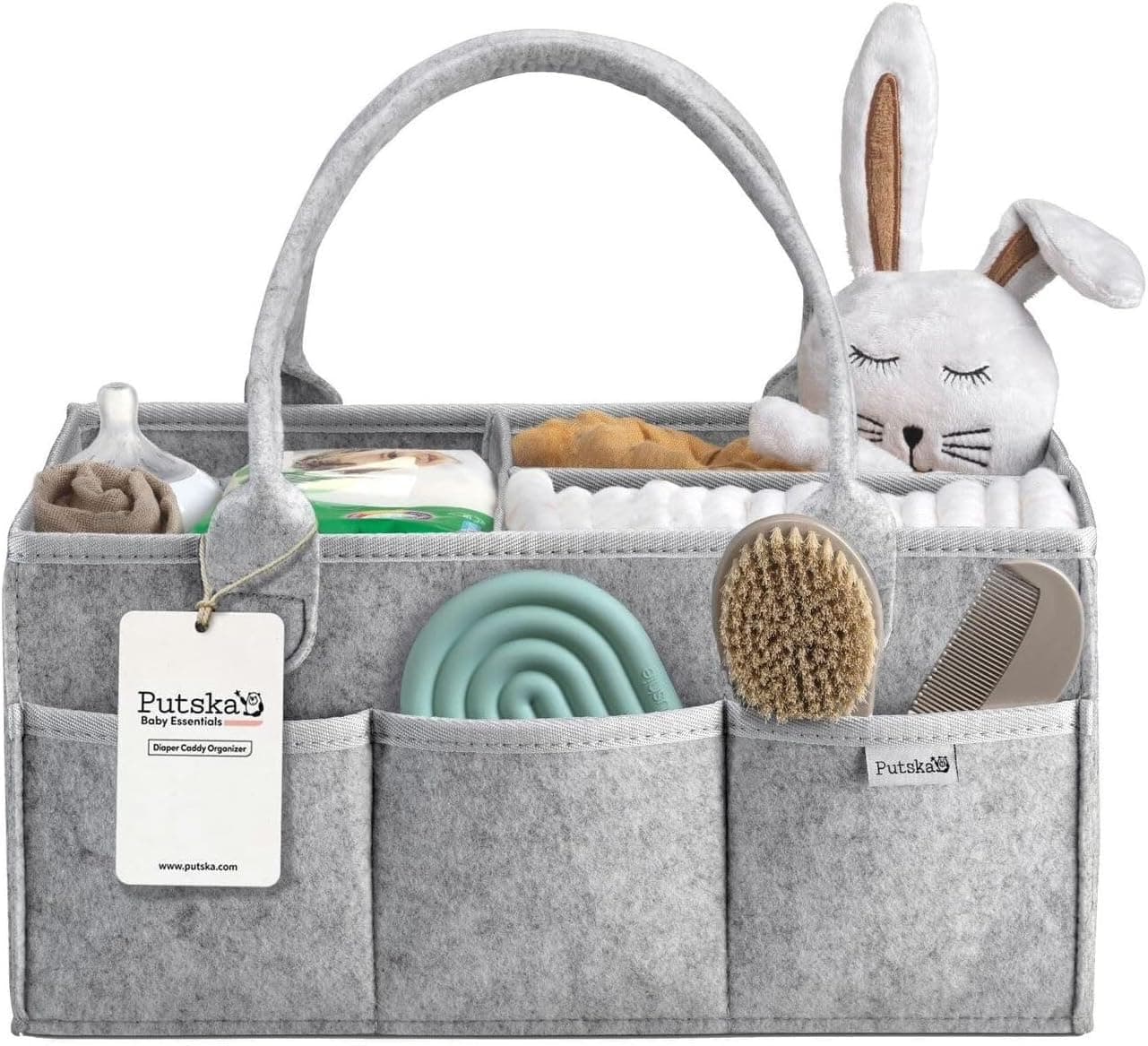
+ Large capacity holds diapers, wipes and spare clothes
From our guide: Best Diaper Caddies for Organized Changes (2026)
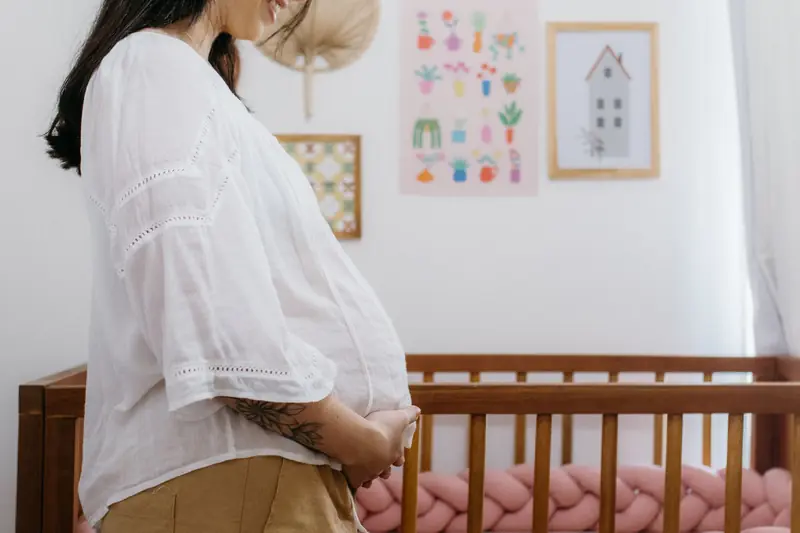
Sleep is the first question. Each baby needs their own safe sleep surface, so plan for two cribs or two bassinets rather than sharing one. While newborn twins are sometimes placed together in the early days, the safest practice is a separate surface for each baby to reduce the risk of overheating and accidental covering. Two firm mattresses, two sets of fitted sheets, and two correctly sized sleep sacks are essentials.
Save space with smart choices. Two cribs take up room, so compact or mini cribs can help in a smaller space, and positioning them thoughtfully keeps the floor clear. A single changing station serves both babies, since you change one at a time, so there is no need to double the changing surface. One well-stocked changing area with a safety strap handles both children.
Double the true consumables, not everything. You will need roughly twice the diapers, wipes, and clothing, and enough bottles if bottle feeding, since two babies feed and soil at the same rate as two separate infants would. However, many items, the monitor, the changing pad, the dresser, the hamper, need not be duplicated. Distinguishing what genuinely must be doubled from what can be shared keeps costs and clutter down.
Organize to tell things apart and stay efficient. With two babies, laundry and supplies multiply, so a clear system helps. Some parents color-code or label to keep track of each baby's clothes and bottles, while others pool everything since sizes are usually identical. Either works, but a defined approach prevents the confusion that comes with managing two sets of nearly identical items in one room.
Set up for simultaneous care. Feeding and settling two babies at once is easier with the right arrangement, such as a feeding area with room to hold or support both, and a layout that lets you reach either crib quickly. Keeping supplies centrally located means you are not crossing the room repeatedly while managing two babies. Efficiency in the layout pays off many times over each day.
Keep safety identical for both. Every rule for a single baby applies to each twin: back sleeping, a bare crib, a firm mattress, and anchored furniture. Two monitors or a split-view monitor helps keep an eye on both if the room is out of earshot. A twin nursery is more about organization and doubling consumables than about doubling every piece of furniture, and a calm, well-planned room makes caring for two newborns far more manageable.
Popular right now
- Best Bassinets for Safe Newborn Sleep Close By (2026)Buying guide
- How to Set Up a Bottle-Feeding Station in the NurseryArticle
- Best White Noise Machines for Calmer Baby Sleep (2026)Buying guide
- Best Wearable Blankets for Cozy, Blanket-Free Sleep (2026)Buying guide
- Best Crib Mobiles for Soothing Nurseries (2026)Buying guide
- Baby Clothing Size ChartArticle
Based on the last 28 days of search and visitor data.