How to Plan a Nursery Layout That Works Day and Night
Published How we research
Map fixed features first: keep the crib away from windows, cords, and anything that could fall, choosing a wall with no window and no blind cords. Position the changing area near diaper and clothing storage with good light and room to stand. Give the feeding chair a quiet corner with a side table and enough clearance to sit and stand while holding a baby. Keep the nighttime path between crib, changing area, and feeding chair compact, clutter-free, and secured with anti-tip furniture brackets. Sketch the layout on paper first to avoid repeatedly shifting heavy furniture. A thoughtful nursery layout turns a collection of furniture into a room that actually supports newborn care. The goal is to arrange the crib, changing area, and feeding seat so that moving between them is quick and safe, even in the dark and while holding a baby. Start by mapping the room's fixed features before deciding where anything goes.
Products from this article
The highest-scoring picks from the buying guides this article links to. Scores are our editorial assessment, not customer ratings.
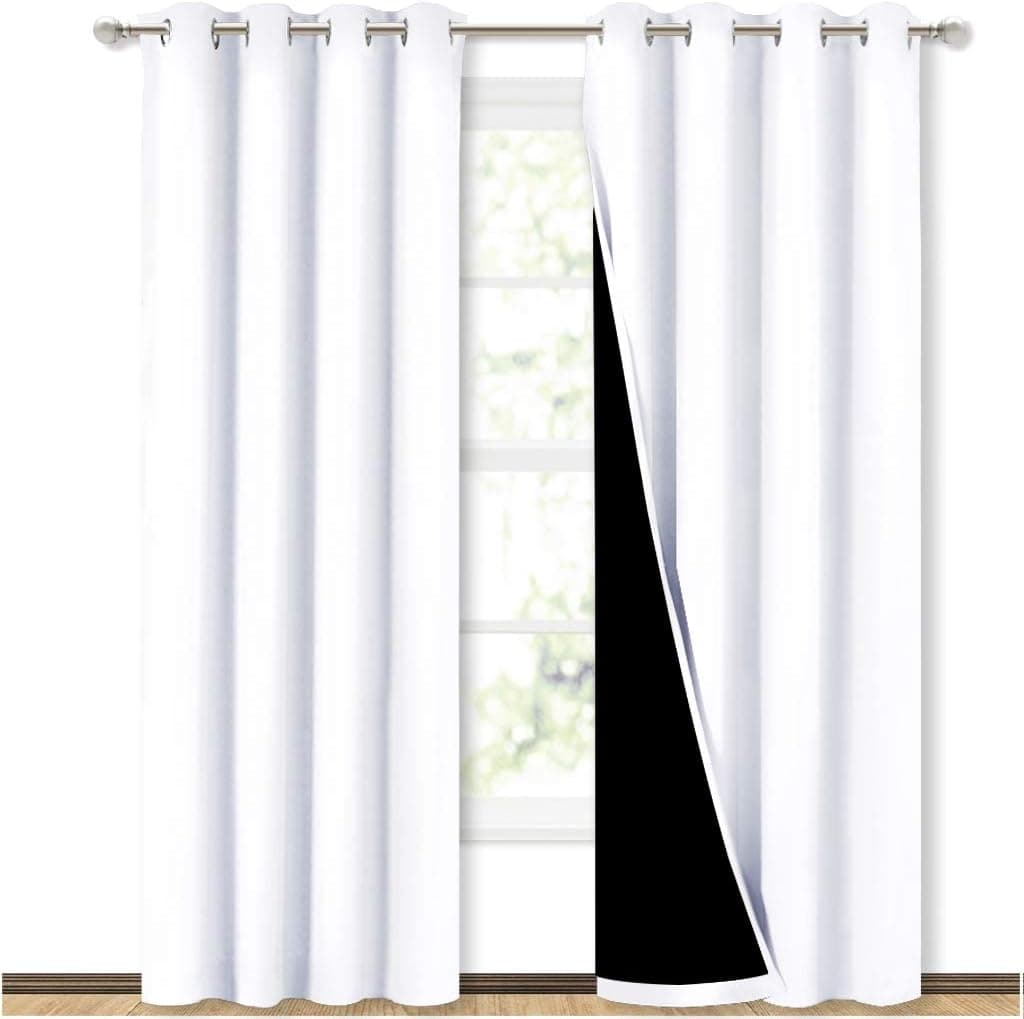
+ Black liner is what gives full light blocking despite the white front
From our guide: Best Blackout Curtains for Darker Naps and Longer Sleep (2026)
+ 6L tank runs much longer between refills than compact models
From our guide: Best Nursery Humidifiers for Easier Breathing at Night (2026)
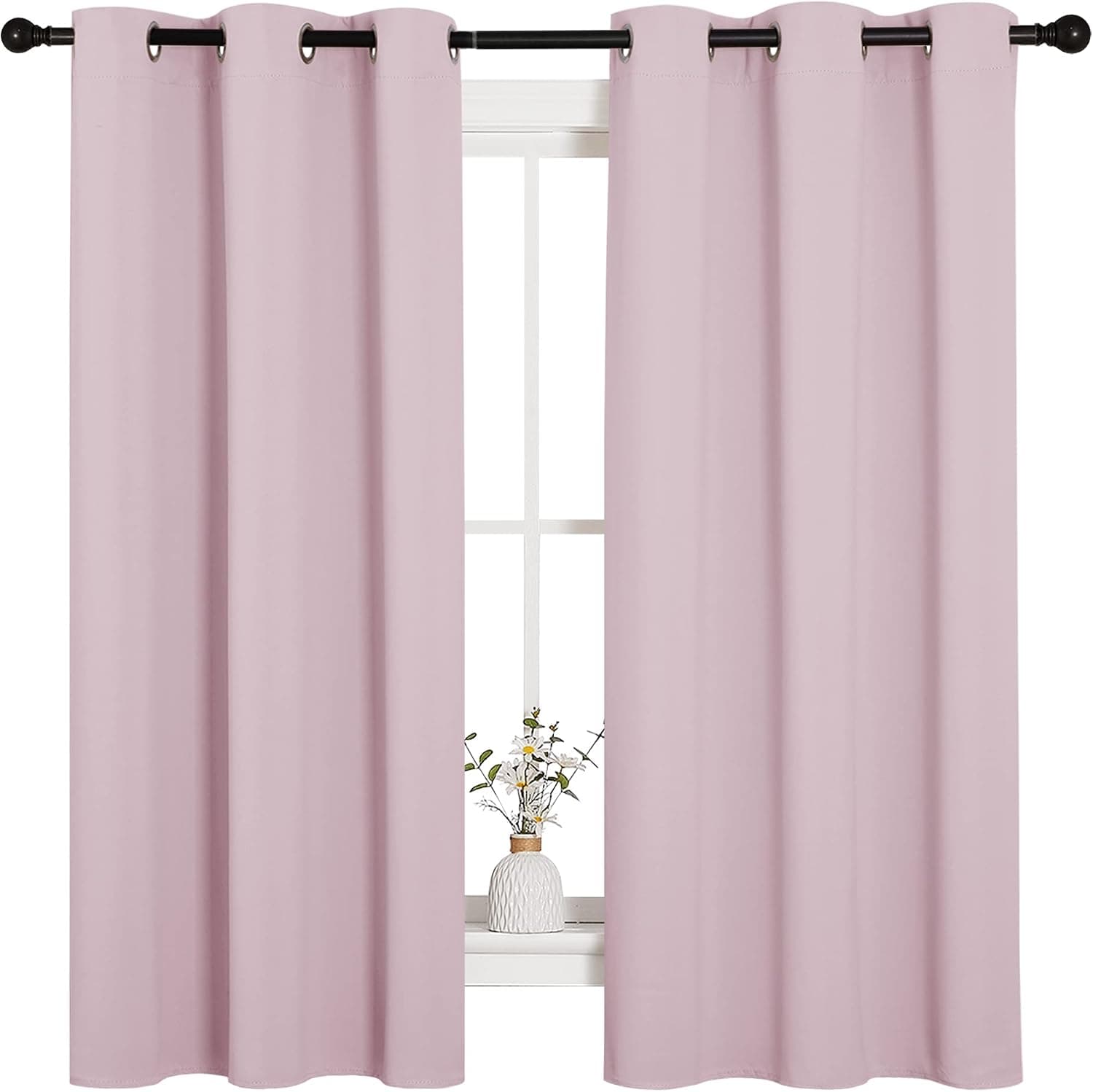
+ Blackout fabric darkens the nursery for daytime naps
From our guide: Best Blackout Curtains for Darker Naps and Longer Sleep (2026)
+ App and voice control let you adjust settings without disturbing baby
From our guide: Best Nursery Humidifiers for Easier Breathing at Night (2026)



Begin by mapping fixed features of the room
Begin with the windows, doors, outlets, and heating vents, since these dictate the safest and most practical placement. The crib should sit away from windows to avoid drafts, direct sun, and, critically, blind and curtain cords, which pose a strangulation hazard. Keep the crib clear of wall shelves, picture frames, and anything that could fall in. A wall with no window and no cords is usually the best crib location.
Position the changing area near storage
Position the changing area near the storage that holds diapers and clothes so supplies are always at hand. Many families combine the two by topping a dresser with a changing pad. Place it where you have room to stand comfortably and reach everything without turning your back on the baby. Good light nearby helps with both daytime and nighttime changes.
The feeding chair benefits from a quiet corner
The feeding chair benefits from a quiet corner with a side table for water, a burp cloth, and a lamp. Facing the chair toward the door or a calm view can make long feeds more pleasant. Leave enough clearance around it to sit down and stand up while holding a baby, which takes more space than an empty chair suggests.
Think about the path you'll walk most often
Think about the path you will walk most often. At night you will move between the crib, the changing area, and the feeding chair repeatedly, so keep that triangle compact and free of clutter and cords. A clear, unobstructed route reduces the chance of tripping while carrying the baby. Rugs should lie flat with non-slip backing, and any floor cords should be secured against the wall.
Build in safety zones from the start
Build in safety zones from the start. Anchor the dresser and any tall furniture to the wall with anti-tip brackets, since a mobile baby will eventually pull on drawers. Keep small objects, cords, and cosmetics well above reach. Plan a spot for a hamper and a diaper pail that is convenient for adults but not accessible to a curious toddler later on.
Leave room to adapt as the baby grows
Leave room to adapt. The layout that suits a newborn will need adjusting as the baby becomes mobile and the crib mattress drops to its lowest setting. Keeping the arrangement simple and uncluttered now makes those changes easier. A room that flows well for the caregiver, keeps the baby away from hazards, and has a short path between the key stations will serve the whole first year and beyond. Sketching the layout on paper first, marking the crib, changing area, and chair, saves the effort of shifting heavy furniture repeatedly once it is in place.
Frequently asked questions
Where should a crib be placed in a nursery? Away from windows to avoid drafts and direct sun, and critically away from blind and curtain cords, which pose a strangulation hazard; a wall with no window and no cords is usually best.
What should be near the changing table in a nursery? The storage that holds diapers and clothes, so supplies are always within reach without needing to turn your back on the baby during a change.
Why does the path between crib, changing area, and feeding chair matter? You'll walk that triangle repeatedly at night while carrying the baby, so keeping it compact and free of clutter and cords reduces the chance of tripping in the dark.
Should nursery furniture be anchored to the wall? Yes, anchor the dresser and any tall furniture with anti-tip brackets from the start, since a mobile baby will eventually pull on drawers and could topple unanchored furniture.
Popular right now
- Best Bassinets for Safe Newborn Sleep Close By (2026)Buying guide
- How to Set Up a Bottle-Feeding Station in the NurseryArticle
- Best White Noise Machines for Calmer Baby Sleep (2026)Buying guide
- Best Wearable Blankets for Cozy, Blanket-Free Sleep (2026)Buying guide
- Best Crib Mobiles for Soothing Nurseries (2026)Buying guide
- Baby Clothing Size ChartArticle
Based on the last 28 days of search and visitor data.