The Complete Nursery Setup Checklist for New Parents
Published How we research

Setting up a nursery goes more smoothly when the work is broken into clear stages rather than tackled as one overwhelming weekend. Start with the big, fixed pieces: the sleep surface, a place to change diapers, and storage for clothing and supplies. Everything else, from lighting to decor, layers on top of those three anchors. Aiming to have the room functional by the start of the third trimester leaves room for delivery delays and last-minute changes.
Products from this article
The highest-scoring picks from the buying guides this article links to. Scores are our editorial assessment, not customer ratings.
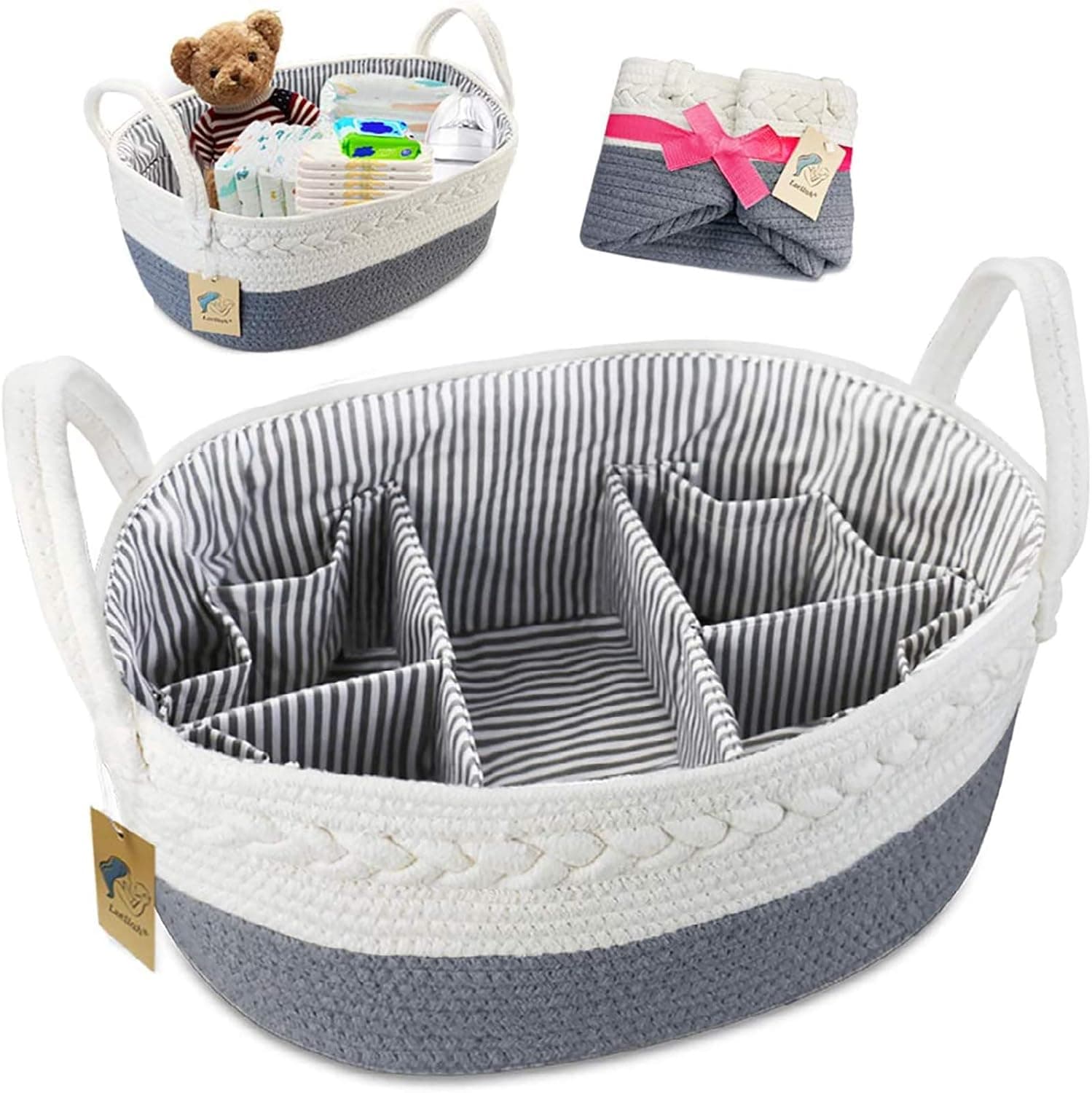
+ 8 pockets and 5 compartments separate creams, wipes and diapers neatly
From our guide: Best Diaper Caddies for Organized Changes (2026)
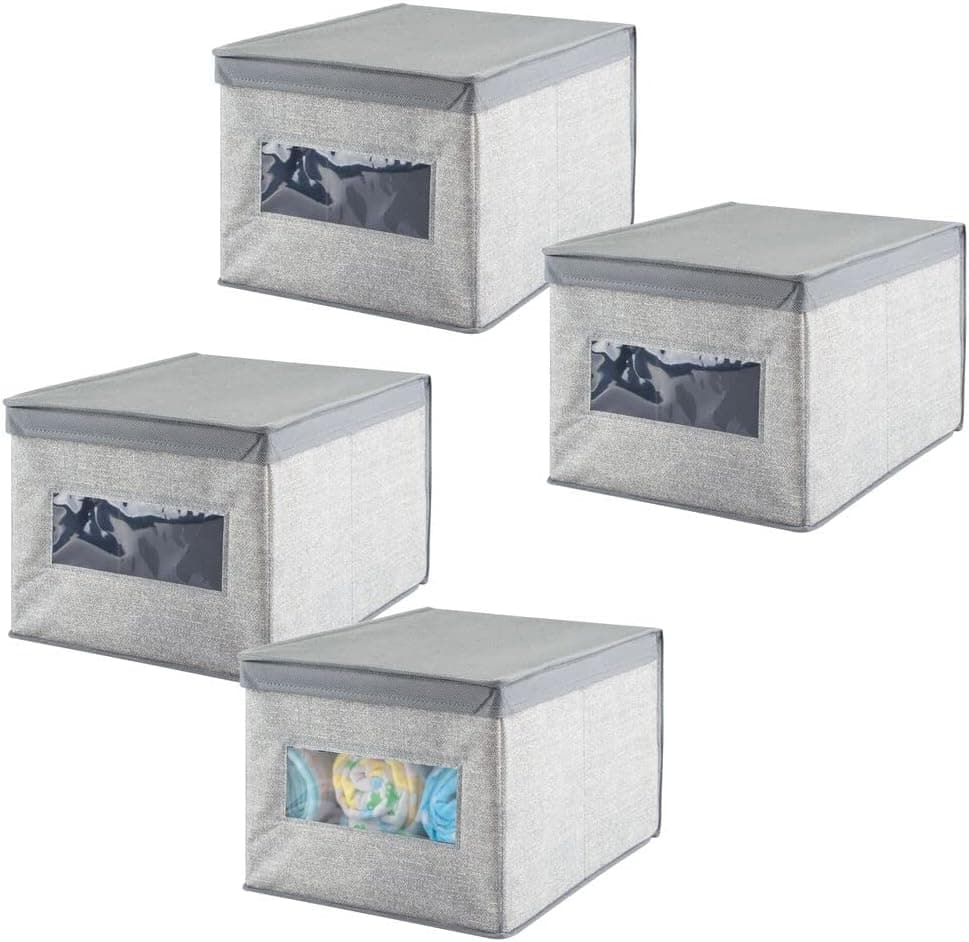
+ Large bins store bulky blankets and outgrown clothes
From our guide: Best Nursery Storage Bins for Tidy Rooms (2026)
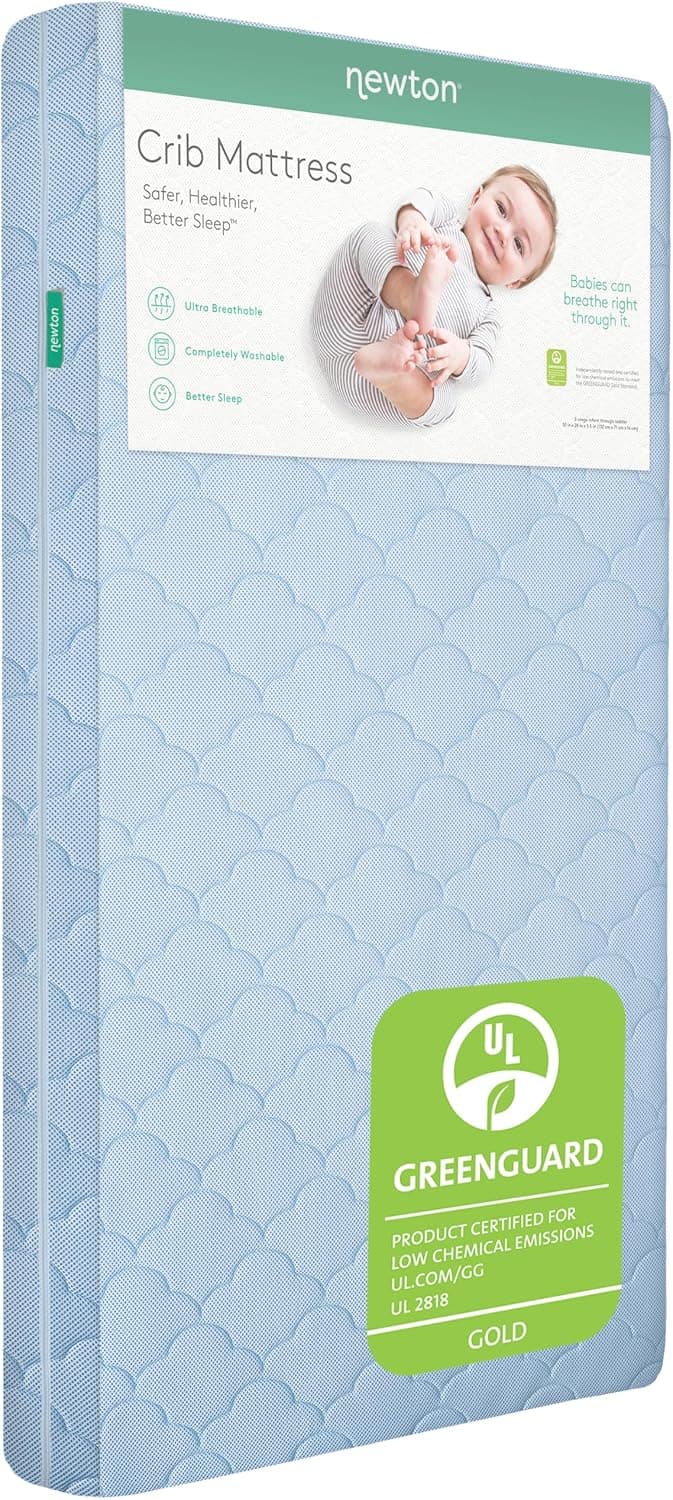
+ Breathable core is designed to allow airflow through the mattress
From our guide: Best Crib Mattresses for Firm, Safe Infant Sleep (2026)
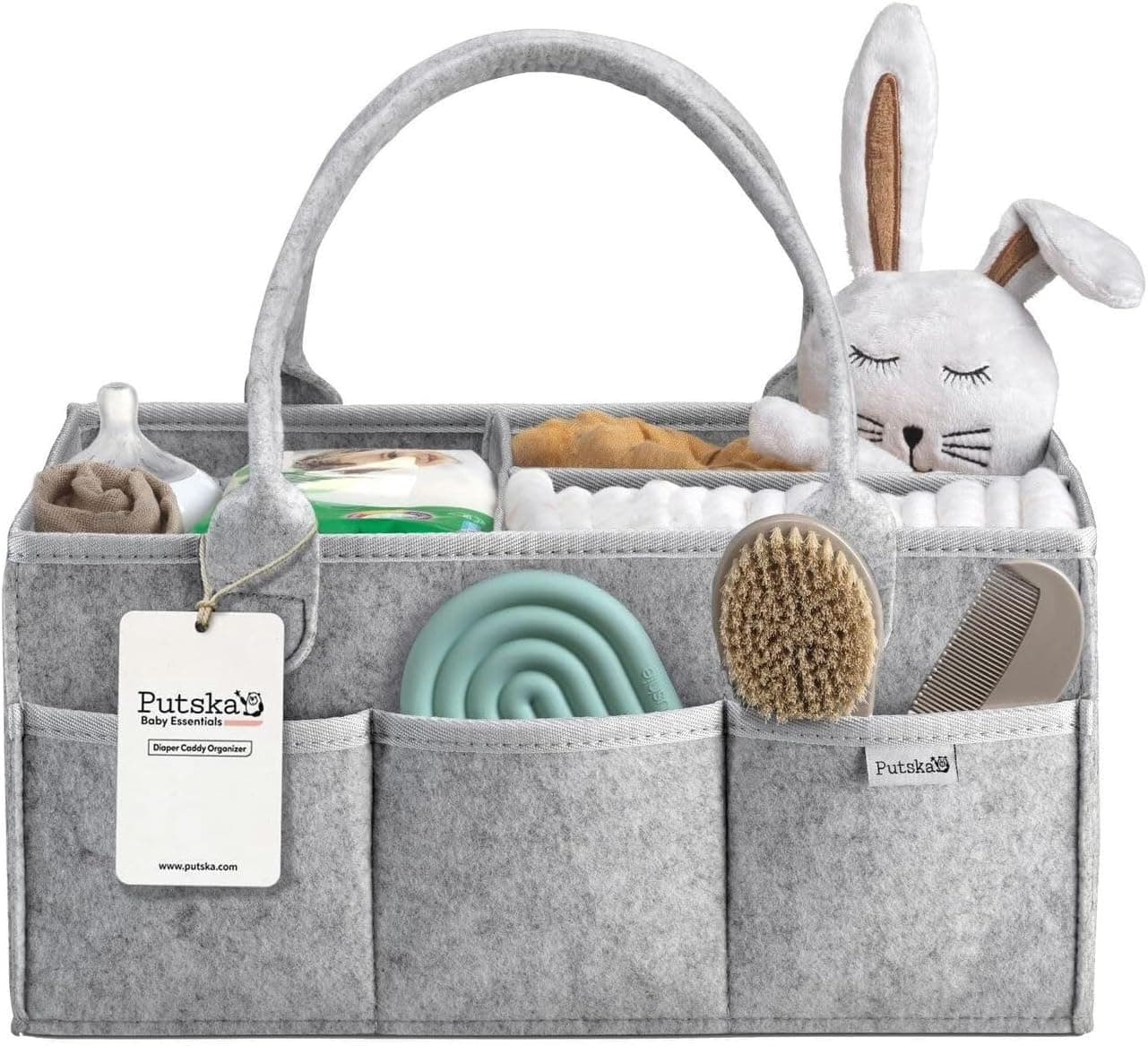
+ Large capacity holds diapers, wipes and spare clothes
From our guide: Best Diaper Caddies for Organized Changes (2026)

The sleep space is the priority. A crib or bassinet that meets current safety standards, paired with a firm, flat mattress and a single fitted sheet, is all a newborn needs to sleep. Skip bumpers, pillows, blankets, and stuffed animals, since the American Academy of Pediatrics recommends a bare sleep surface to lower the risk of sudden infant death and suffocation. Position the crib away from windows, blind cords, heaters, and wall-mounted shelves.
Next comes the changing area. A dresser topped with a contoured changing pad and a safety strap works well and saves space compared with a dedicated changing table. Stock it with diapers in the smallest size, wipes, a barrier cream, and a few changes of clothes within arm's reach. The goal is to never have to step away from the baby mid-change, so keep everything reachable from one standing position.
Storage is the third anchor. Newborns move through clothing and linens quickly, so plan for easy access to bodysuits, sleepers, burp cloths, and swaddles. Drawer dividers and labeled bins keep sizes sorted, which matters because babies often skip straight past newborn sizing. A small hamper in the room saves trips down the hall.
With the essentials in place, address comfort and control. A comfortable chair for feeding, a dimmable light or lamp for night wakings, and blackout curtains help establish a calm environment. A room thermometer is useful for keeping the space in a comfortable range, generally around 68 to 72 degrees Fahrenheit. Add a monitor if the nursery is out of earshot from where the adults sleep.
Finally, walk the room from a baby's-eye view once furniture is placed. Anchor dressers and bookcases to the wall with anti-tip hardware, cover unused outlets, and secure cords out of reach. These steps matter well before the baby is mobile, because installation is easy to forget once daily life with a newborn begins. A short safety pass now prevents a scramble later.
Keep the list flexible. Every family lands on a slightly different mix of gear depending on space, budget, and feeding plans. The checklist above covers what nearly every nursery needs, and the rest can be added once the baby arrives and real routines take shape. Buying less upfront and filling gaps afterward is usually cheaper and less wasteful than guessing at everything in advance.
Popular right now
- Best Bassinets for Safe Newborn Sleep Close By (2026)Buying guide
- How to Set Up a Bottle-Feeding Station in the NurseryArticle
- Best White Noise Machines for Calmer Baby Sleep (2026)Buying guide
- Best Wearable Blankets for Cozy, Blanket-Free Sleep (2026)Buying guide
- Best Crib Mobiles for Soothing Nurseries (2026)Buying guide
- Baby Clothing Size ChartArticle
Based on the last 28 days of search and visitor data.