How to Set Up a Changing Table That Works and Stays Safe
Published How we research

Choose either a purpose-built changing table or a sturdy dresser topped with a secured, raised-side changing pad at a comfortable standing height. Always fasten the safety strap and keep one hand on the baby, never stepping away even briefly. Arrange diapers, wipes, and cream within one-handed reach so you never need to turn your back. Manage waste with a lidded diaper pail nearby and wash hands after each change. Anchor the furniture to the wall with anti-tip hardware before the baby is mobile, and adapt the setup, possibly adding a floor-level spot, as the baby grows more active. A changing table, or a dresser adapted for the purpose, gives diaper changes a dedicated, organized spot at a comfortable height. The main aims are keeping every supply within arm's reach and preventing falls from the raised surface. A well-arranged changing station makes the many changes of a newborn's day quicker and safer for everyone.
Products from this article
The highest-scoring picks from the buying guides this article links to. Scores are our editorial assessment, not customer ratings.
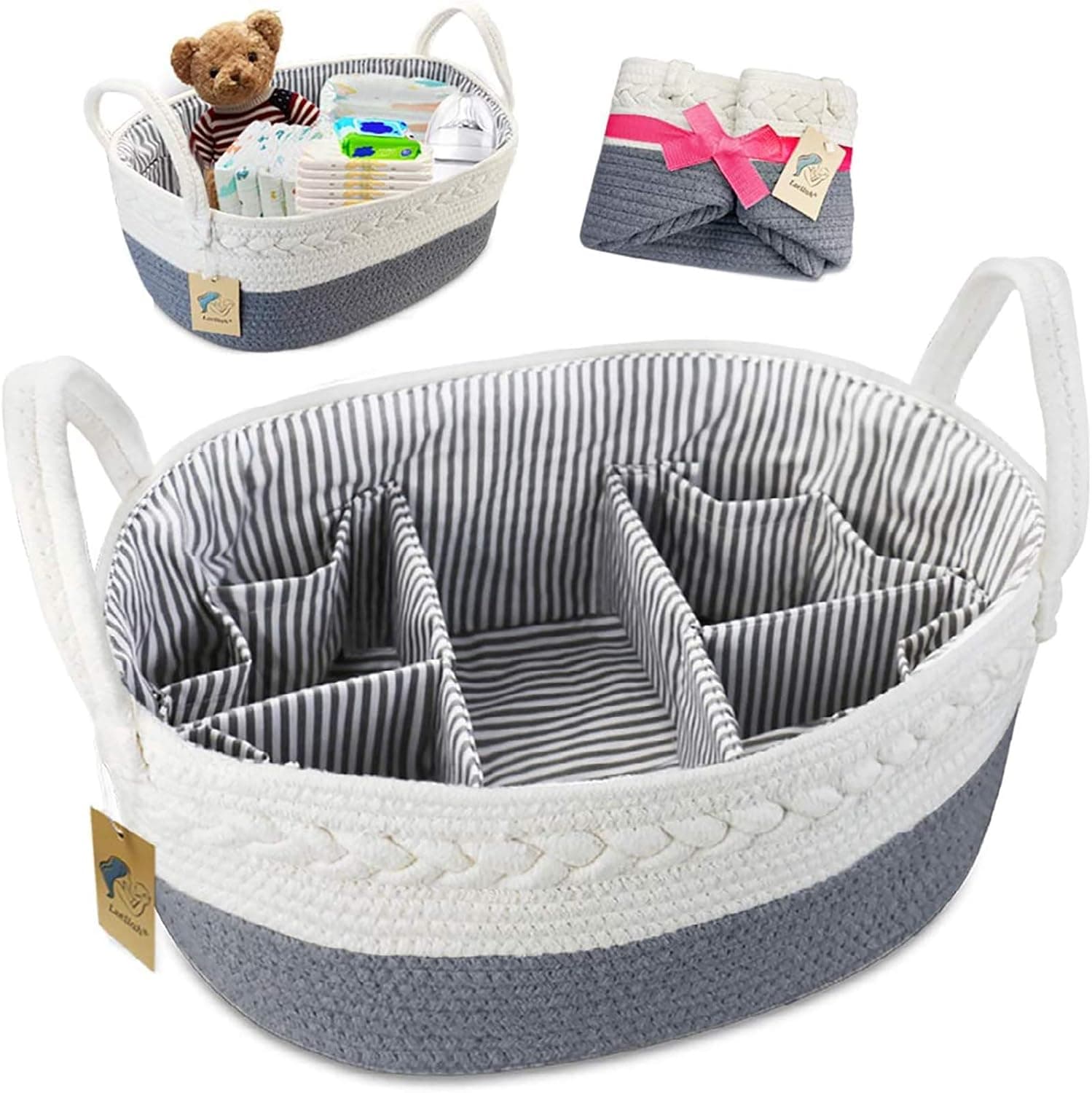
+ 8 pockets and 5 compartments separate creams, wipes and diapers neatly
From our guide: Best Diaper Caddies for Organized Changes (2026)
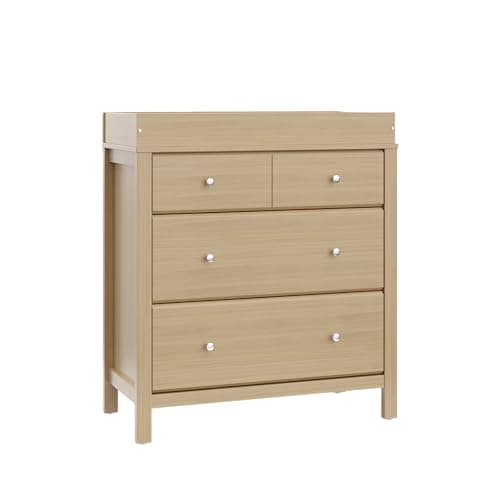
+ Removable changing topper turns the chest into a changing station and later back into a normal dresser.
From our guide: Best Changing Tables for a Safe, Organized Nursery (2026)
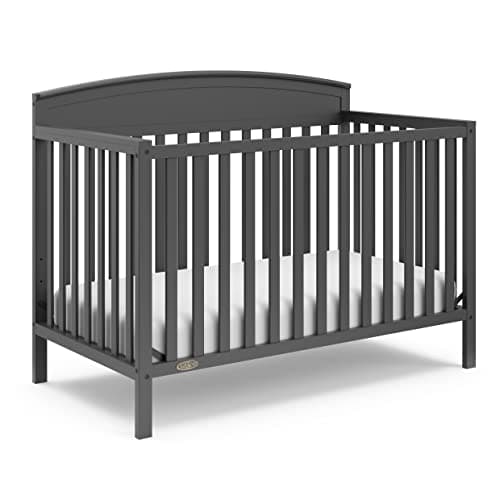
+ Converts from crib to toddler bed, daybed and full-size bed, so one purchase can cover several stages.
From our guide: Best Convertible Cribs for a Nursery That Grows (2026)
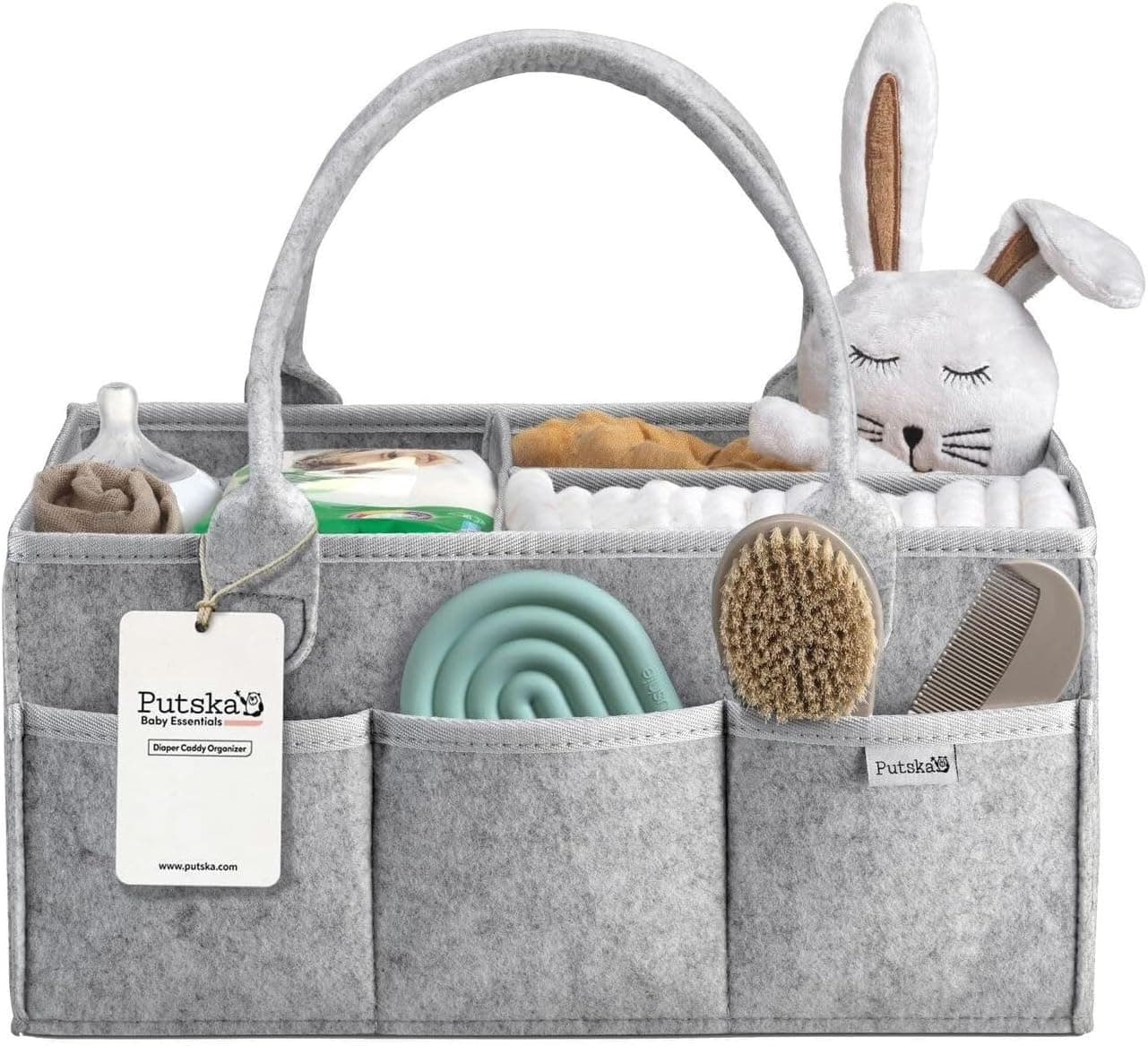
+ Large capacity holds diapers, wipes and spare clothes
From our guide: Best Diaper Caddies for Organized Changes (2026)
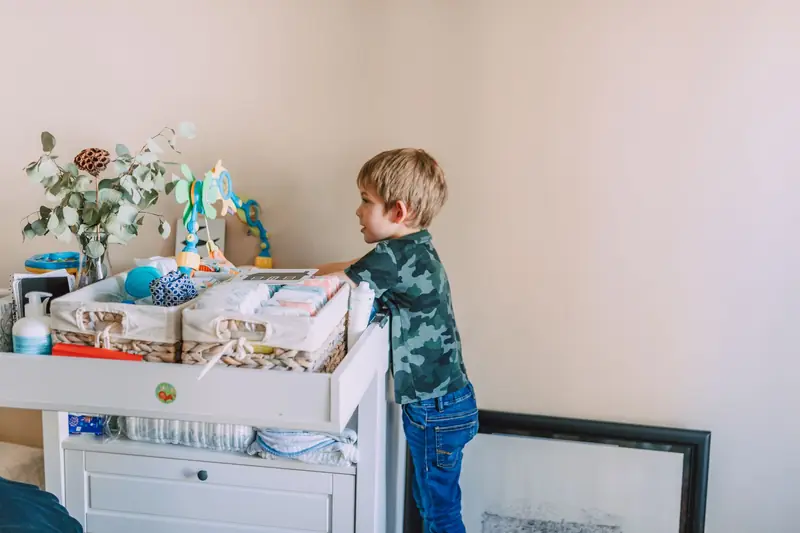
Decide on the surface first
Decide on the surface first. A purpose-built changing table works, but many families prefer topping a sturdy dresser with a contoured changing pad, which adds storage and outlasts the diapering years. The pad should have raised sides to help keep the baby centered, and it must be secured to the furniture so it cannot slide. Confirm the furniture is at a height where you can stand and work comfortably without bending.
The safety strap is essential
The safety strap is essential. Fasten the strap for every change, and always keep at least one hand on the baby. Even a newborn who cannot roll can push and wriggle toward the edge, and the moment a baby learns to roll or twist, an unsecured surface becomes dangerous. Never step away, even briefly; if you need something out of reach, take the baby with you.
Arrange supplies for one-handed access
Arrange supplies for one-handed access. Keep diapers, wipes, and barrier cream in a caddy or the top drawer directly beside the pad, so you can reach everything without turning your back. Stock a few changes of clothes nearby for the frequent blowouts of early infancy. The goal is to complete a change without ever leaving the baby's side, which requires everything to be within a comfortable reach.
Manage waste and hygiene at the station
Manage waste and hygiene at the station. Place a lidded diaper pail within reach for disposals, and keep a small trash spot for wipes. Wash or sanitize your hands after each change, and keep creams and any powders out of the baby's grasp and away from their face. For cloth diapers, a lidded wet bag or pail keeps things sanitary until laundry day.
Anchor the furniture and manage cords
Anchor the furniture and manage cords. Secure the dresser or changing table to the wall with anti-tip hardware, because a mobile baby will eventually pull on drawers and could topple an unanchored piece. Keep any nearby cords, from lamps or monitors, well out of reach. These steps matter before the baby is mobile, since installation is easy to forget once daily life with a newborn is underway.
Adapt the station as the baby grows
Adapt the station as the baby grows. Diaper sizes change, and an older, stronger baby demands even closer attention on the raised surface. Some parents add a second, floor-level changing spot to avoid the risks of a raised surface once the baby is very active. Whatever the setup, the core rules hold: supplies within reach, a hand on the baby, the strap fastened, and the furniture anchored to the wall.
Frequently asked questions
Do I need a dedicated changing table or can I use a dresser? A sturdy dresser topped with a contoured, secured changing pad works well and adds storage that outlasts the diapering years, as long as the furniture is at a comfortable working height.
Is the changing table safety strap necessary for a newborn? Yes, fasten it for every change even with a newborn who cannot roll yet, since babies can push and wriggle toward the edge, and the moment they learn to roll it becomes essential.
Should changing table furniture be anchored to the wall? Yes, secure the dresser or changing table with anti-tip hardware before the baby is mobile, since installation is easy to forget once daily life with a newborn is underway.
How should changing supplies be arranged? Keep diapers, wipes, and barrier cream in a caddy or the top drawer directly beside the pad, so you can complete a change one-handed without ever leaving the baby's side.
Popular right now
- Best Bassinets for Safe Newborn Sleep Close By (2026)Buying guide
- How to Set Up a Bottle-Feeding Station in the NurseryArticle
- Best White Noise Machines for Calmer Baby Sleep (2026)Buying guide
- Best Wearable Blankets for Cozy, Blanket-Free Sleep (2026)Buying guide
- Best Crib Mobiles for Soothing Nurseries (2026)Buying guide
- Baby Clothing Size ChartArticle
Based on the last 28 days of search and visitor data.