How to Set Up a Safe Nursery on a Tight Family Budget
Published How we research
A safe nursery does not require a large budget, because the things that keep a baby safe are relatively inexpensive and the costly extras are largely optional. Newborns need very little: a safe place to sleep, a way to be fed and changed, and clean clothes. Spending wisely means investing in the few items that matter and economizing everywhere else.
Products from this article
The highest-scoring picks from the buying guides this article links to. Scores are our editorial assessment, not customer ratings.
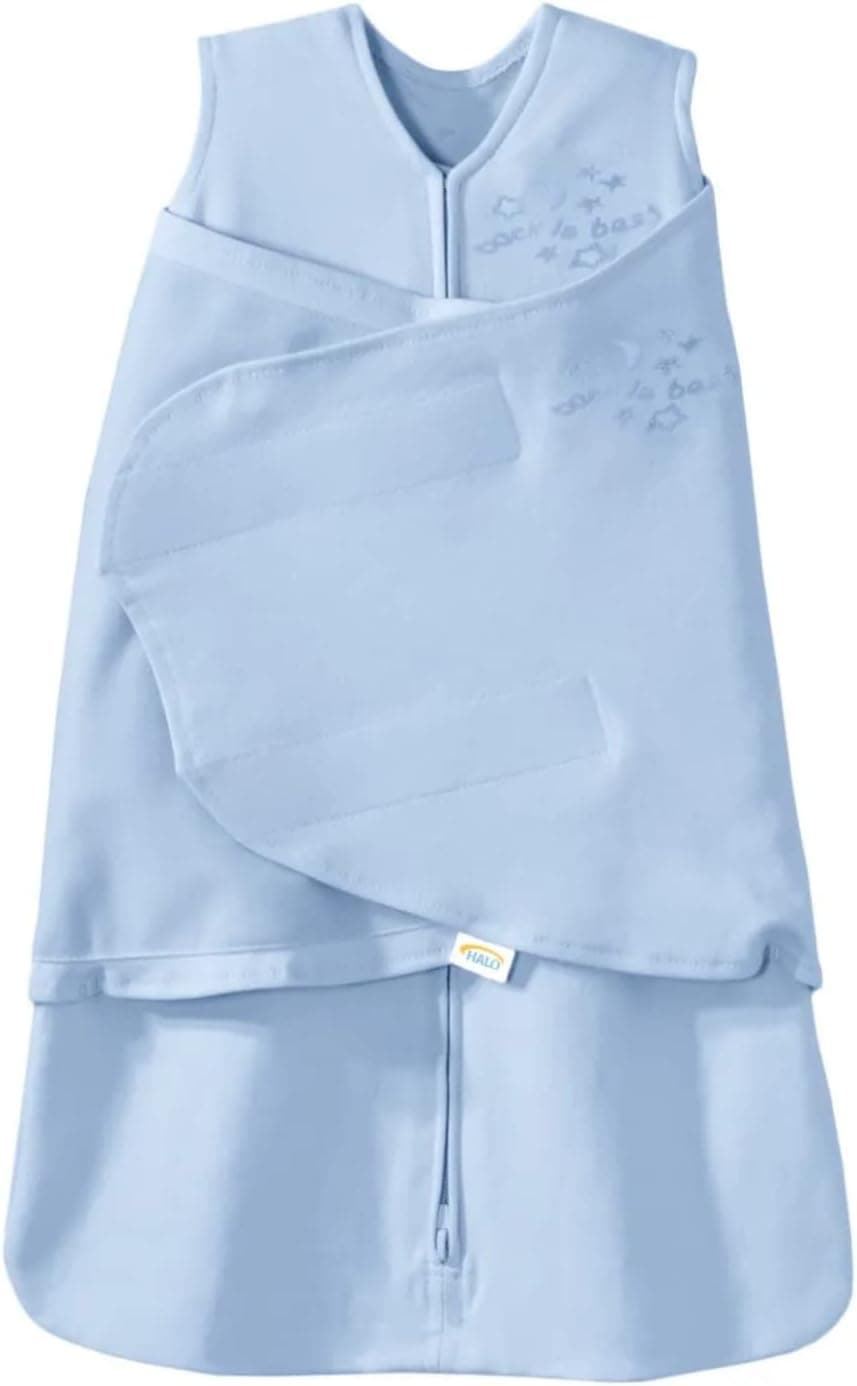
+ 3-way adjustable wrap lets you swaddle arms in, hands to face or arms out
From our guide: Best Wearable Blankets for Cozy, Blanket-Free Sleep (2026)
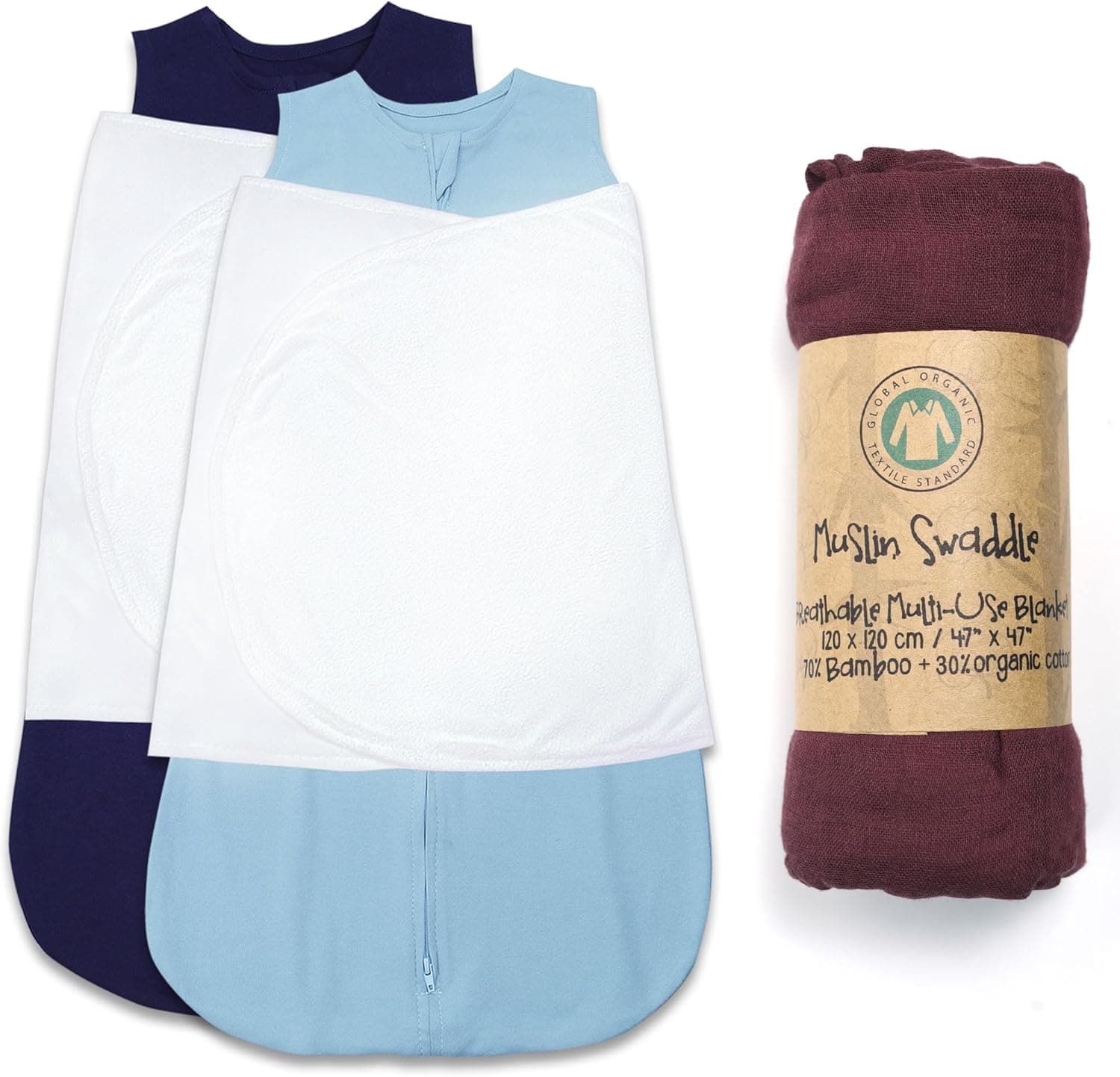
+ 2-piece set gives a spare for wash days and night-time accidents
From our guide: Best Wearable Blankets for Cozy, Blanket-Free Sleep (2026)
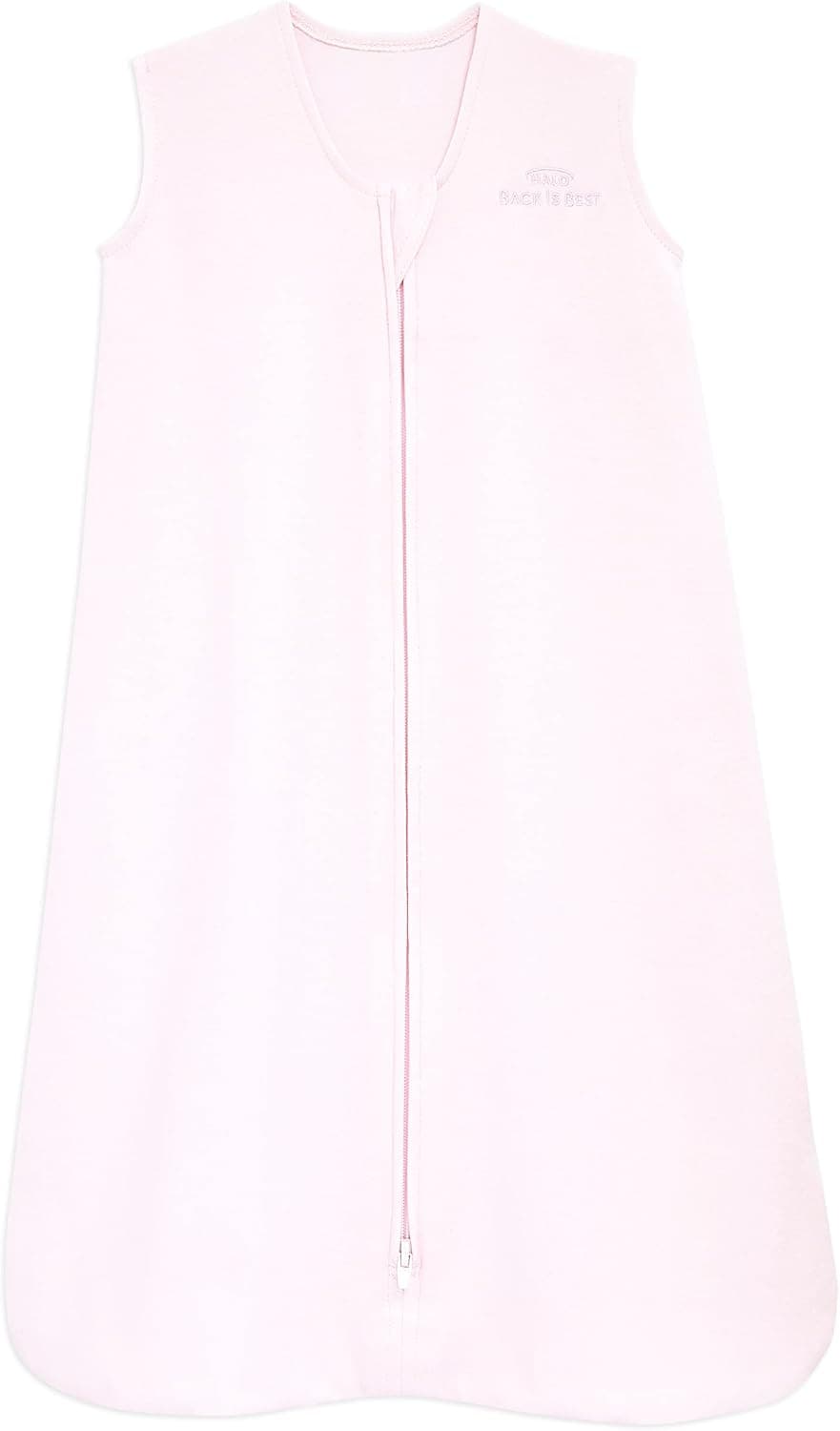
+ Soft pink shade gives the same trusted HALO sack a girlier color
From our guide: Best Wearable Blankets for Cozy, Blanket-Free Sleep (2026)
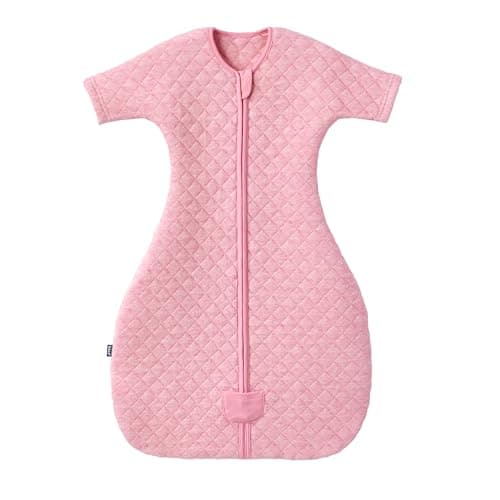
+ Lightly structured arms help babies move from swaddling to a wearable blanket while reducing startle reflex.
From our guide: Best Wearable Blankets for Cozy, Blanket-Free Sleep (2026)
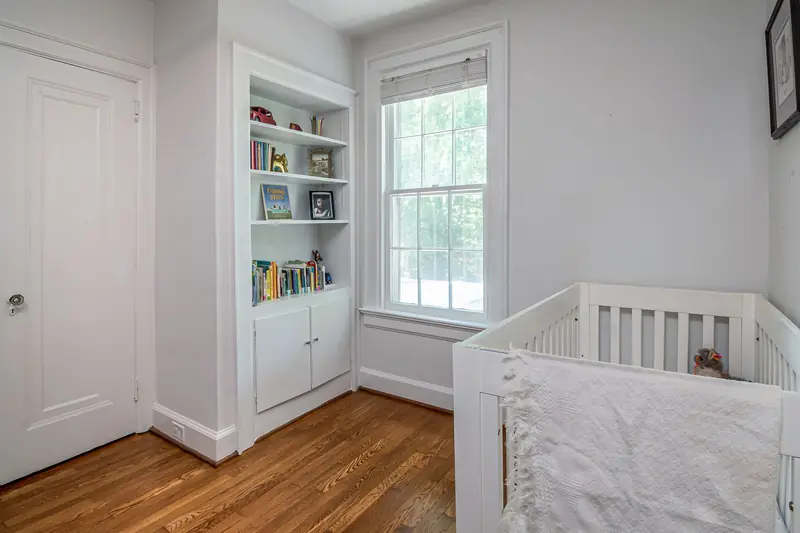
Start by separating needs from wants. A crib or bassinet with a firm mattress, fitted sheets, sleep sacks, a way to change diapers, and clothing cover the essentials. Everything else, matching furniture sets, decorative bedding, themed decor, and single-purpose gadgets, is optional. Building the room around this short list keeps costs down without compromising anything that affects safety.
Know where to spend. The mattress is worth buying new, since firmness and fit are safety features and a used mattress may have lost firmness or harbored moisture. A crib should meet current standards. Beyond these, most spending can be trimmed. Prioritizing a firm new mattress and a certified sleep space is the one place not to cut corners, even on a tight budget.
Secondhand items can save a great deal if chosen carefully. A crib passed down or bought used can be safe if it meets current standards, has no recalls, includes all original hardware, and is structurally sound. Avoid older drop-side cribs, which are banned. Dressers, gliders, and storage furniture are excellent secondhand buys, since their safety depends mainly on being anchored to the wall rather than on age.
Use furniture you already own. A dresser topped with a changing pad replaces a dedicated changing table, and a sturdy armchair works as well as a purpose-built glider. Storage bins and baskets organize clothes as effectively as fitted drawer systems. Repurposing existing furniture avoids buying nursery-specific versions of things that serve the same function for less.
Buy consumables smartly and accept clothing gifts. Diapers and wipes are ongoing costs, so watch for sales and register for them so friends and family can help. Babies grow out of clothes quickly, which makes hand-me-downs and secondhand outfits a genuine bargain, since much of it is barely worn. Wash used clothing before use, but otherwise it is a reliable way to clothe a baby cheaply.
Add extras gradually. Rather than buying everything before the birth, set up the essentials and fill gaps once the baby arrives and real needs become clear. Many expensive items turn out to be unnecessary for a given baby. A budget nursery that covers safe sleep, feeding, changing, and warmth is fully sufficient, and the money saved is better kept for the ongoing costs that come with a growing child. Tracking what actually gets used in the first weeks also makes it clear which extras were worth skipping, which is useful information for any future child or for passing advice to other new parents.
Popular right now
- Best Bassinets for Safe Newborn Sleep Close By (2026)Buying guide
- How to Set Up a Bottle-Feeding Station in the NurseryArticle
- Best White Noise Machines for Calmer Baby Sleep (2026)Buying guide
- Best Wearable Blankets for Cozy, Blanket-Free Sleep (2026)Buying guide
- Best Crib Mobiles for Soothing Nurseries (2026)Buying guide
- Baby Clothing Size ChartArticle
Based on the last 28 days of search and visitor data.