How to Choose a Baby Monitor That Fits Your Nursery
Published How we research
A baby monitor lets caregivers rest in another room while still keeping tabs on a sleeping infant. The market ranges from simple audio units to camera systems with app control, and the best choice depends on your home layout, your comfort with technology, and how much you want to spend. Sorting monitors into a few categories makes the decision manageable.
Products from this article
The highest-scoring picks from the buying guides this article links to. Scores are our editorial assessment, not customer ratings.
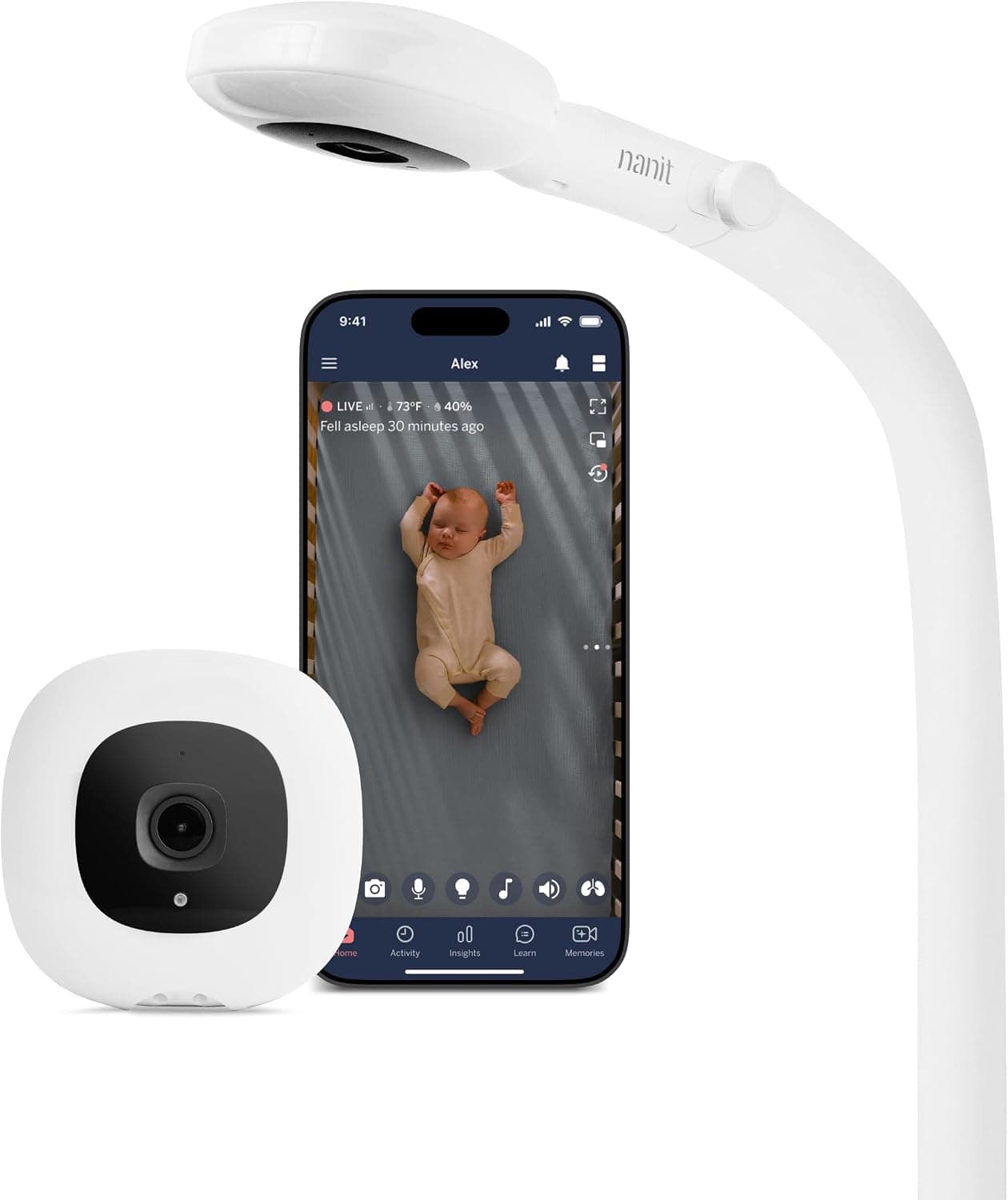
+ 1080p Wi-Fi video gives a sharp view on your phone
From our guide: Best Video Baby Monitors for Peace of Mind (2026)
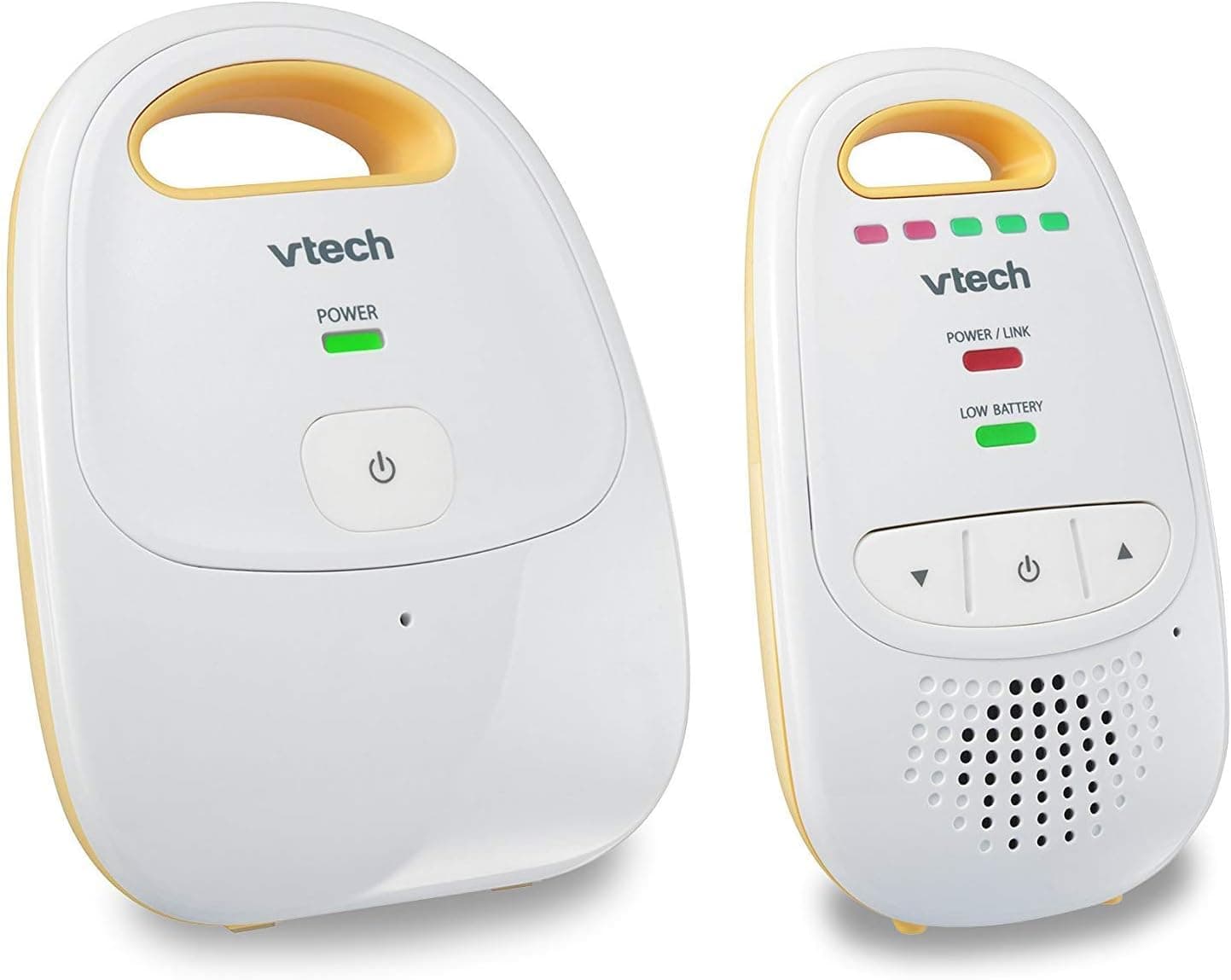
+ 1000ft range covers large homes and yards
From our guide: Best Audio Baby Monitors for Simple Listening (2026)
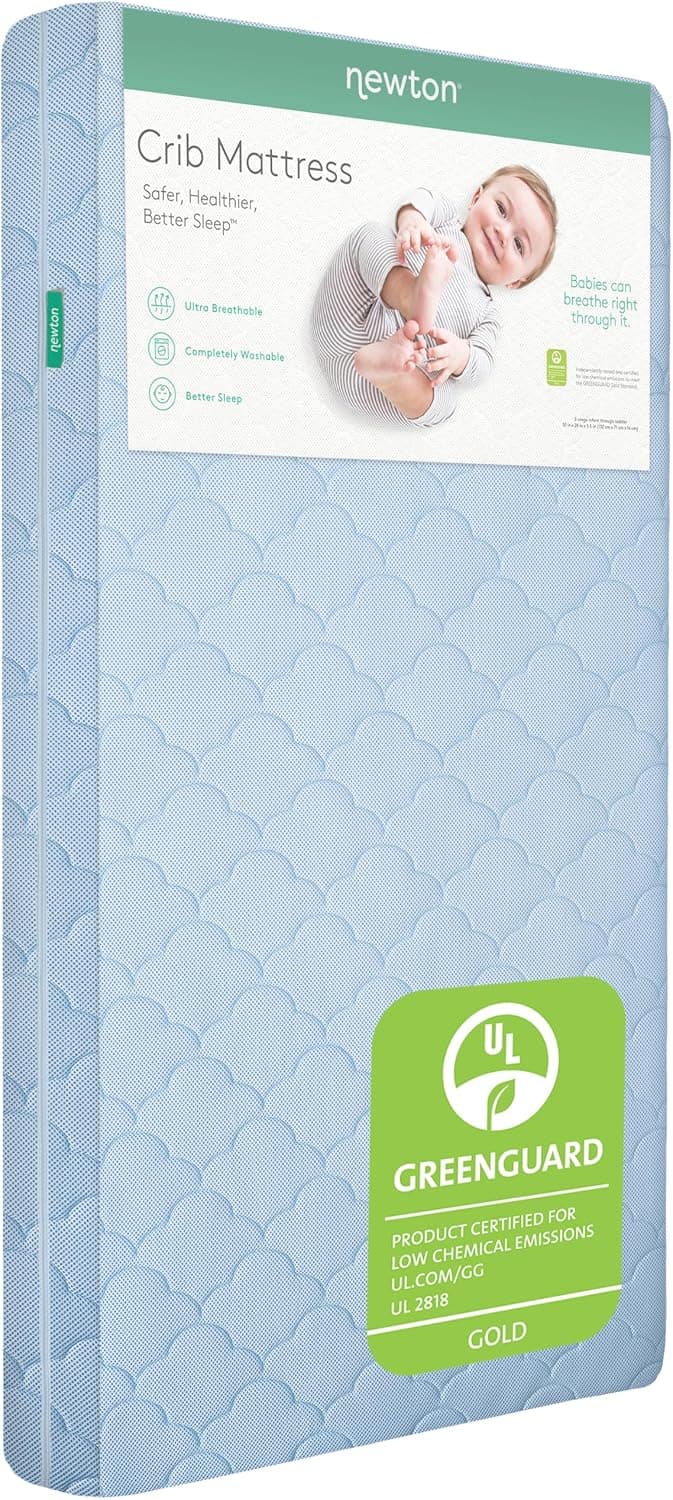
+ Breathable core is designed to allow airflow through the mattress
From our guide: Best Crib Mattresses for Firm, Safe Infant Sleep (2026)
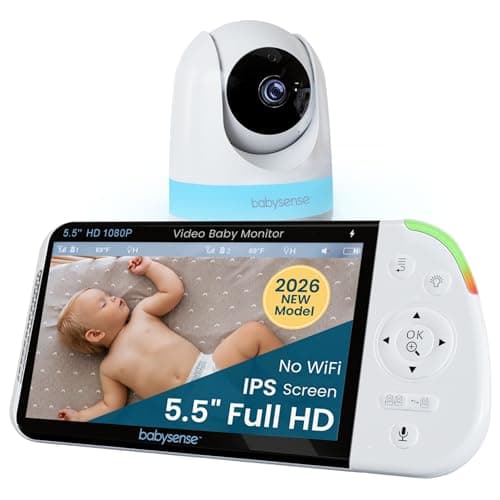
+ No WiFi design keeps video on a closed local connection
From our guide: Best Video Baby Monitors for Peace of Mind (2026)

Audio-only monitors are the simplest and often the most reliable. They transmit sound so you can hear when the baby stirs or cries, and they tend to have strong battery life and few failure points. For a small home or an apartment where the nursery is close to the living space, an audio monitor may be all that is needed. They are also the most affordable option.
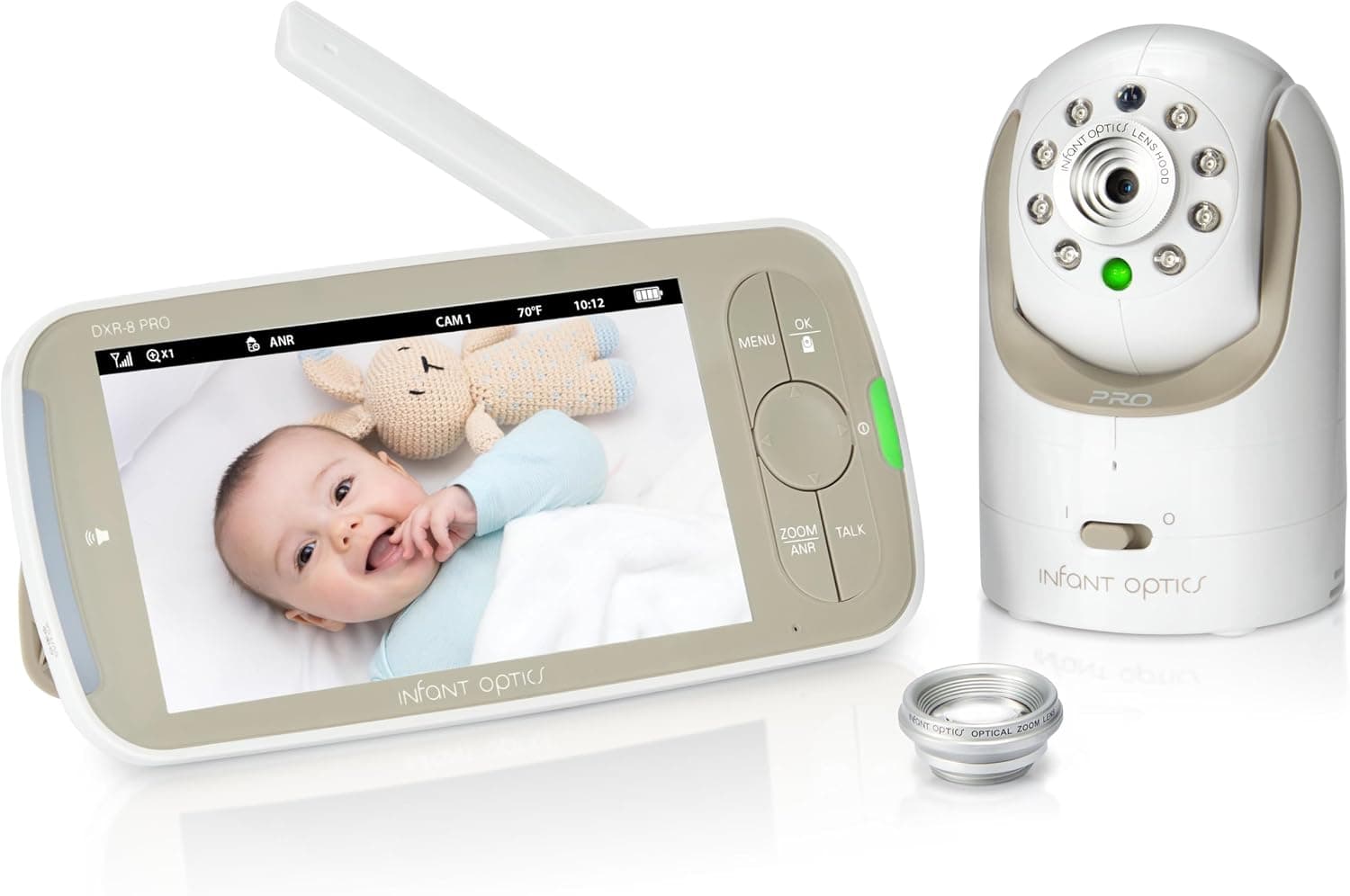
Video monitors add a camera so you can see the baby without opening the door. Look for a clear picture, night vision for dark rooms, and a screen or app that is easy to check at a glance. Pan-and-tilt models let you adjust the view remotely, which is handy as the baby grows and moves around the crib. Video adds reassurance but also cost and, in some cases, complexity.
A key split is between dedicated-signal monitors and Wi-Fi monitors. Dedicated units use their own radio link to a parent screen and do not connect to the internet, which sidesteps many security concerns and keeps working when the home network is down. Wi-Fi monitors stream to a phone app, offering remote viewing from anywhere but introducing account logins, software updates, and the need for a strong network.
Security deserves real attention with any internet-connected monitor. Change default passwords, enable two-factor authentication if offered, keep firmware updated, and buy from a reputable brand with a clear privacy policy. A poorly secured camera can be accessed by outsiders, so treat it like any other connected device in your home and lock it down before first use.
Practical features round out the decision. Consider range if you have a larger home, since dedicated monitors list a maximum distance that walls will reduce. A temperature readout, two-way talk, and a low-battery alert are genuinely useful. Be cautious about monitors that claim to track breathing or oxygen and prevent sudden infant death, because no consumer device has been proven to do so, and they can cause unnecessary alarm or false comfort.
Match the monitor to your situation rather than buying the most feature-packed model. A parent who wants nothing more than to hear the baby will be well served by a solid audio unit. A parent who travels or works from home and wants to peek in during the day may prefer a secured Wi-Fi camera. Deciding what you actually need first keeps you from paying for features that go unused.
Popular right now
- Best Bassinets for Safe Newborn Sleep Close By (2026)Buying guide
- How to Set Up a Bottle-Feeding Station in the NurseryArticle
- Best White Noise Machines for Calmer Baby Sleep (2026)Buying guide
- Best Wearable Blankets for Cozy, Blanket-Free Sleep (2026)Buying guide
- Best Crib Mobiles for Soothing Nurseries (2026)Buying guide
- Baby Clothing Size ChartArticle
Based on the last 28 days of search and visitor data.