How to Check Hand-Me-Down Nursery Gear for Safety First
Published How we research
Hand-me-down and secondhand nursery gear can save a lot of money, but not everything is safe to reuse, and some older products fall short of current standards. A careful safety check separates the bargains from the hazards. The main things to verify are recall status, compliance with current standards, structural soundness, and completeness of parts.
Start with recalls. Before using any secondhand item, check whether the specific model has been recalled, since recalled products can carry serious risks. Manufacturers and safety agencies maintain recall records searchable by product name and model number. This quick check is the single most important step, because a recalled crib, seat, or other item may have a known, sometimes dangerous, defect.
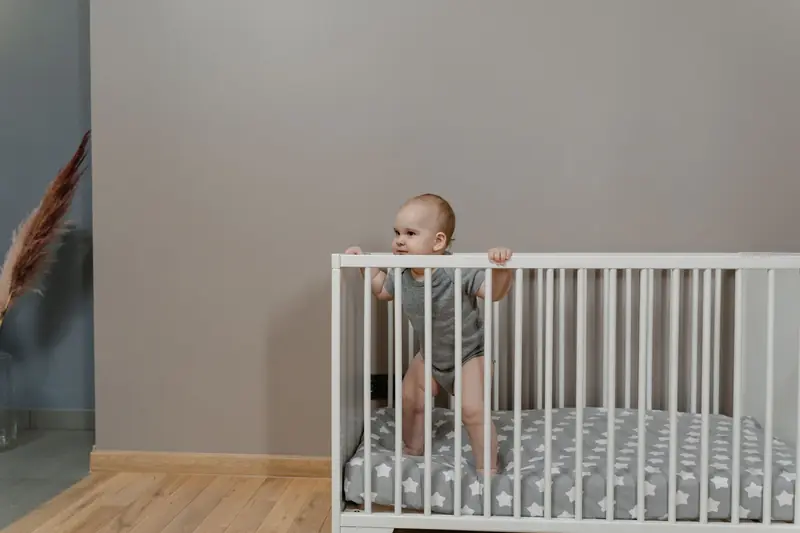
Cribs deserve the closest scrutiny. Older drop-side cribs are banned because the moving side has caused injuries and deaths, so never use one regardless of its condition. A hand-me-down crib is only acceptable if it meets current standards, has all its original hardware, shows no cracks or loose joints, and has slats close enough together that a baby's head cannot fit through. When in doubt about a crib's age or compliance, do not use it.
Mattresses and soft items are best bought new. A used mattress may have lost the firmness that makes it safe, or harbored moisture and mold that are not always visible. Firmness and a snug fit are safety features, and a degraded mattress compromises both. Soft, secondhand sleep items generally carry more risk than reward, so the sleep surface is one area where new is usually the wiser choice.
Inspect furniture for stability and hardware. Dressers, changing tables, and gliders are good secondhand buys, since their safety depends mainly on being sound and anchored to the wall. Check that joints are solid, drawers work, and no parts are missing or broken. Any tall furniture must be secured with anti-tip hardware once in place, whether new or used, so the age of the piece matters less than its condition and installation.
Clothing and linens are the easiest hand-me-downs. Secondhand clothes, blankets for non-sleep use, and similar soft goods are generally fine after washing, and because babies outgrow clothing so quickly, used outfits are often barely worn. Simply launder them before use. This is where hand-me-downs deliver the most value with the least concern, so accept them readily.
Apply a consistent standard to every item. For anything a baby will sleep in, sit in, or that could tip or trap, verify it meets current standards, has no recall, is complete, and is structurally sound. If a piece cannot be confirmed safe, it is better to skip it than to guess. Used carefully, hand-me-down nursery gear stretches a budget considerably, and a methodical safety check ensures the savings never come at the cost of the baby's safety.
Popular right now
- Best Bassinets for Safe Newborn Sleep Close By (2026)Buying guide
- How to Set Up a Bottle-Feeding Station in the NurseryArticle
- Best White Noise Machines for Calmer Baby Sleep (2026)Buying guide
- Best Wearable Blankets for Cozy, Blanket-Free Sleep (2026)Buying guide
- Best Crib Mobiles for Soothing Nurseries (2026)Buying guide
- Baby Clothing Size ChartArticle
Based on the last 28 days of search and visitor data.