How to Use White Noise Safely in Your Baby's Nursery
Published How we research
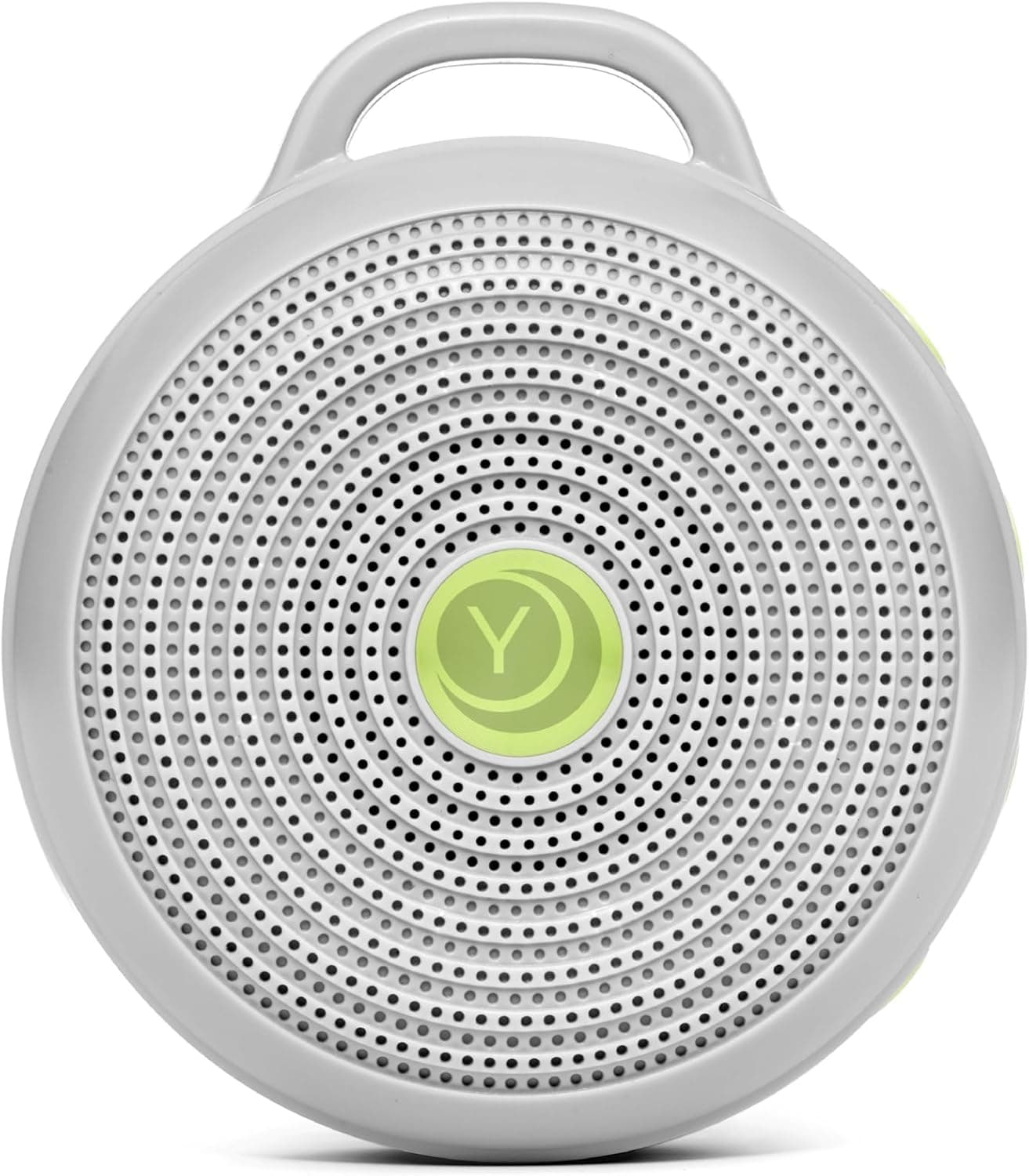
White noise machines are a common nursery addition, and many parents find that steady background sound helps a baby settle and stay asleep. The gentle, consistent hum can mask household noises and recreate the muffled sounds a baby heard before birth. Used sensibly, white noise is a helpful tool, but volume and placement deserve attention to protect a baby's hearing.
Products from this article
The highest-scoring picks from the buying guides this article links to. Scores are our editorial assessment, not customer ratings.
+ Time-to-rise alarm teaches toddlers when it is ok to get out of bed
From our guide: Best White Noise Machines for Calmer Baby Sleep (2026)
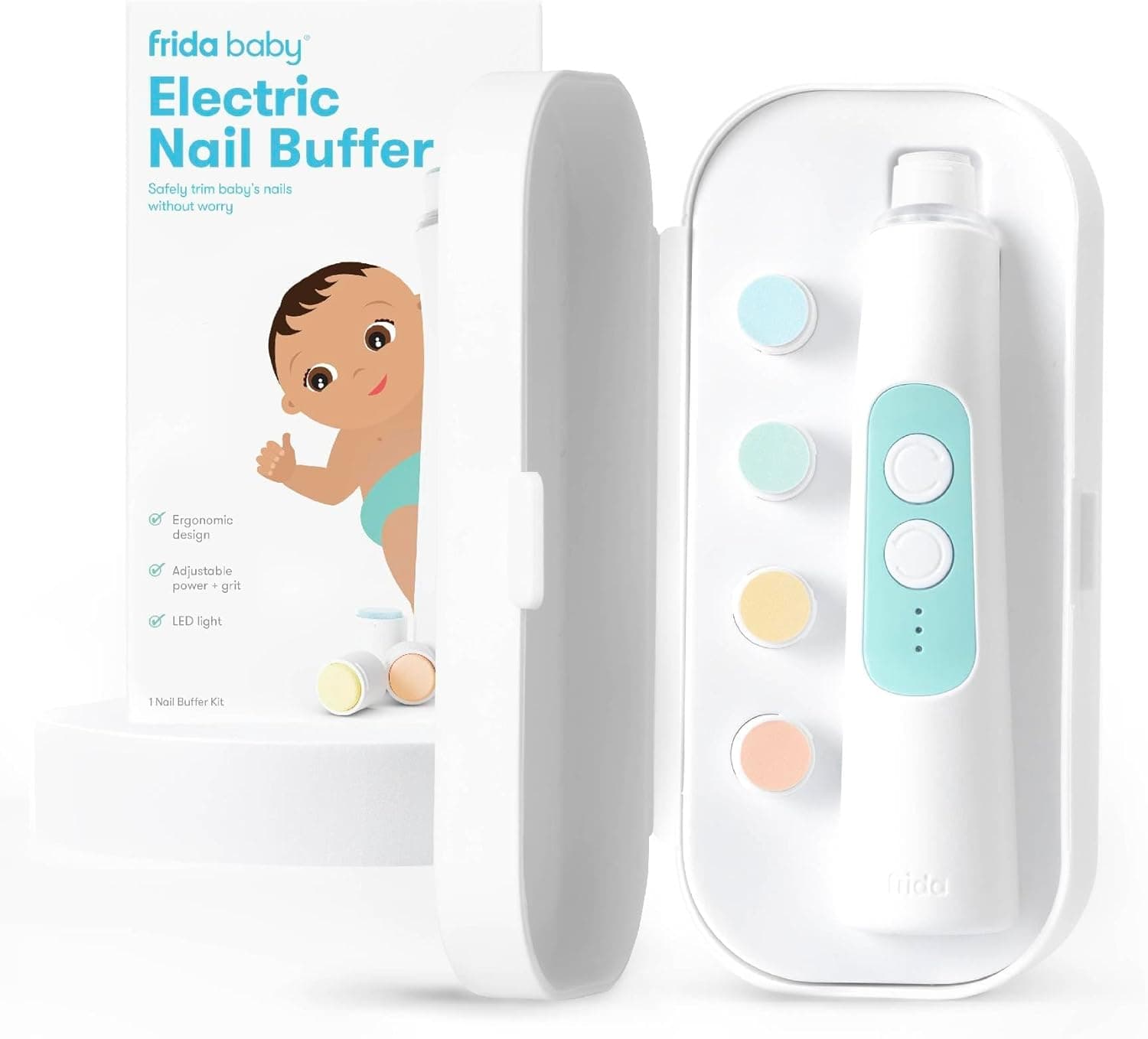
+ Electric buffer files nails down gradually without clipping
From our guide: Best Baby Grooming Kits for Gentle Care (2026)
+ 30 natural sounds cover fans, rain, waves and more for every preference
From our guide: Best White Noise Machines for Calmer Baby Sleep (2026)
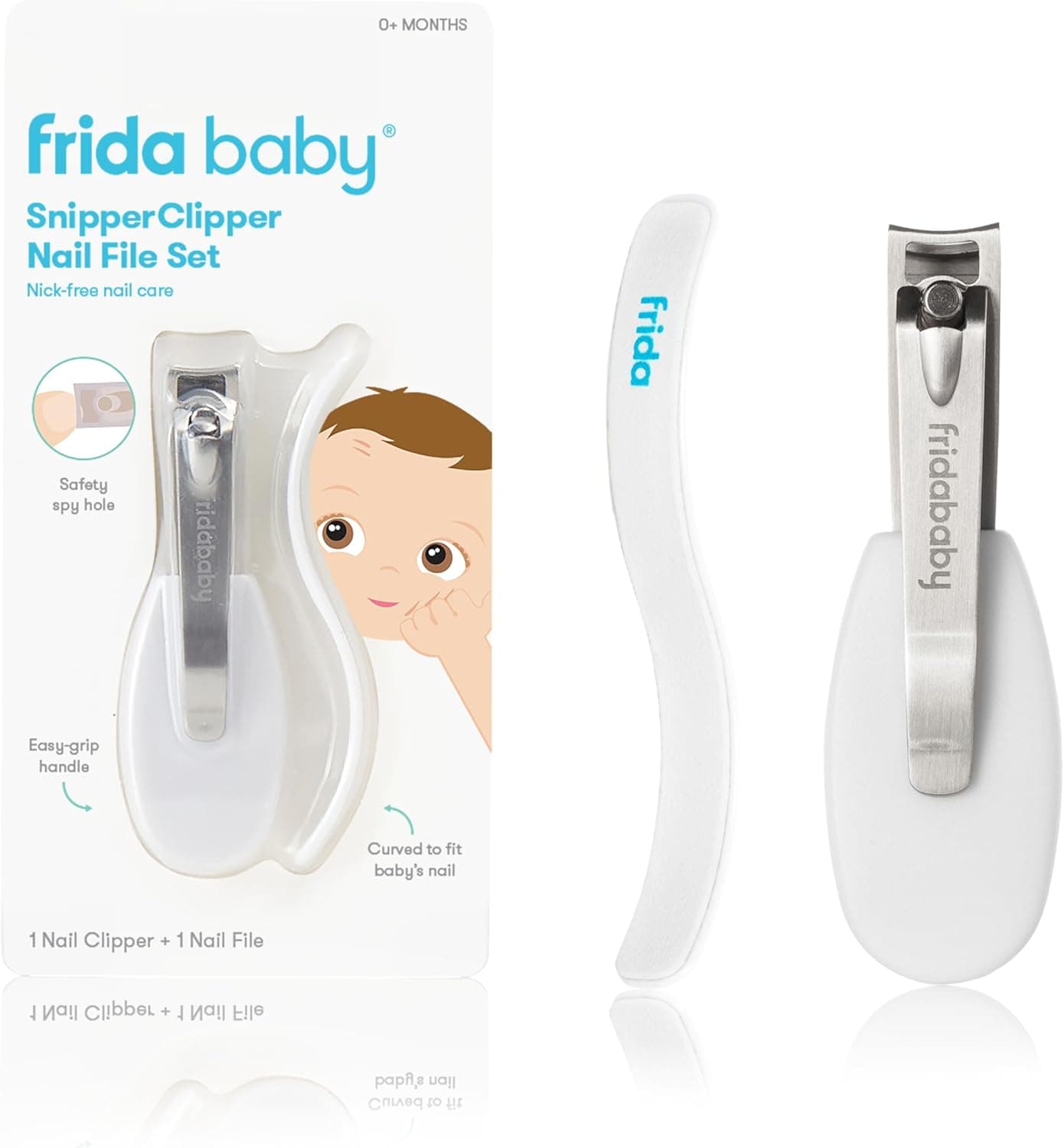
+ Spyhole lets you see the nail while trimming
From our guide: Best Baby Grooming Kits for Gentle Care (2026)
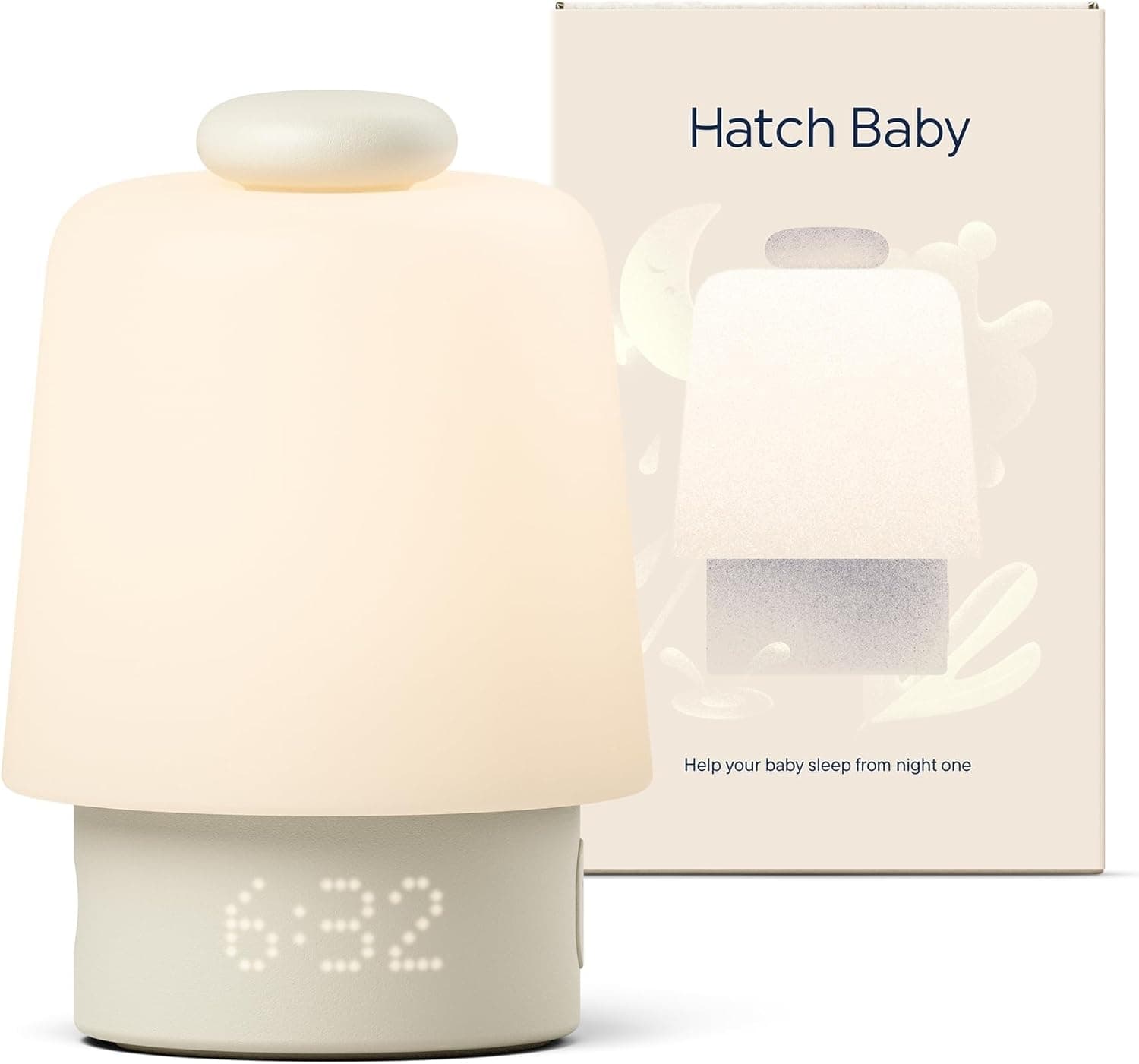
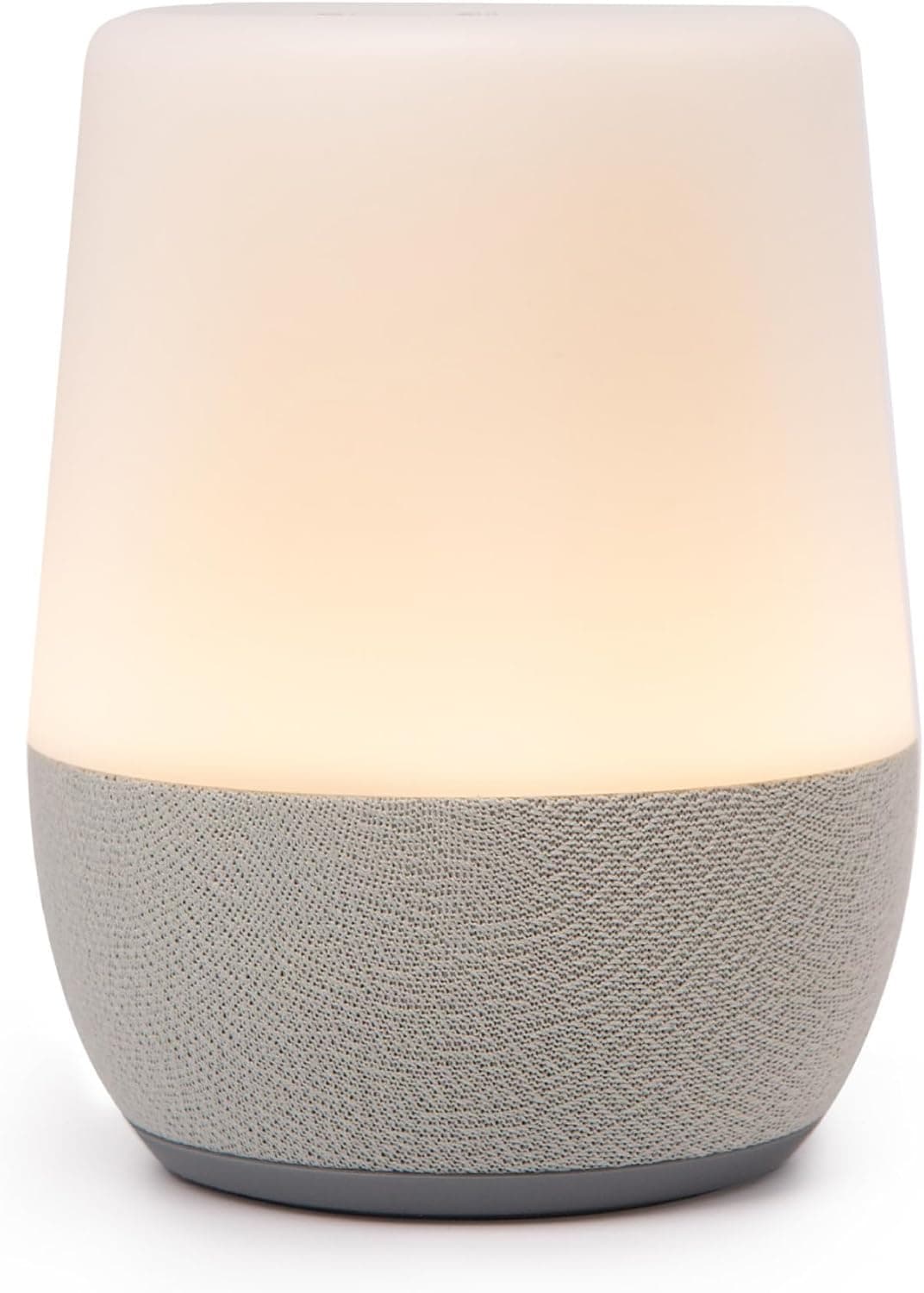
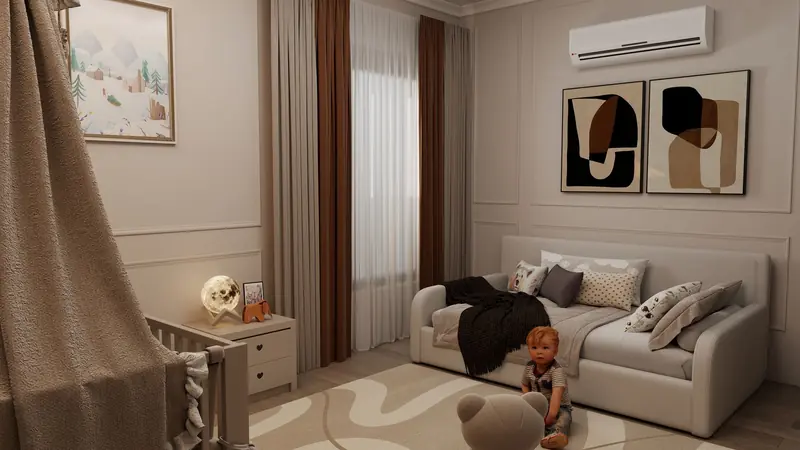
The appeal is straightforward. Newborns are used to constant sound in the womb, so silence can feel unfamiliar, while a steady noise can be soothing. White noise also covers sudden household sounds, a barking dog, a closing door, an older sibling, that might otherwise wake a lightly sleeping baby. For families in noisy environments, it can make the difference between a short nap and a long one.
Volume is the main safety consideration. Sound that is too loud, too close, or played too long can potentially affect hearing. A common recommendation is to keep the machine at a moderate level, no louder than a soft shower, and to place it well away from the crib rather than right beside the baby's head. If adults find the volume uncomfortable, it is too loud for the baby.
Distance and duration matter alongside volume. Position the machine across the room, at least several feet from the crib, and consider using a timer or a lower setting for continuous overnight play. Some machines are very loud at maximum, so you rarely need the top setting. Keeping the sound gentle and the machine at a distance addresses most hearing concerns while still providing the soothing effect.
Choose the sound type thoughtfully. True white noise is a flat, steady hiss, while some machines offer softer pink or brown noise that many people find more pleasant. Avoid tracks with sudden changes in volume or jarring elements, since the goal is consistency. Continuous, unchanging sound is more effective for sleep than anything that varies or startles.
Be mindful of dependence and routine. Some babies come to rely on white noise to fall asleep, which is not a problem at home but can complicate travel or naps elsewhere. Many families accept this tradeoff for better sleep, while others use white noise only during a fussy phase and then phase it out. Either approach is reasonable, and there is no rush to remove it if it is working.
Keep the machine and its cord safe. Place it on a stable surface out of the baby's reach, and route the power cord so it cannot be pulled into the crib. As with any nursery device, keep cords well away from where a baby could grasp or become tangled. With sensible volume, distance, and cord safety, white noise can be a simple, effective part of a calm sleep environment.
Popular right now
- Best Bassinets for Safe Newborn Sleep Close By (2026)Buying guide
- How to Set Up a Bottle-Feeding Station in the NurseryArticle
- Best White Noise Machines for Calmer Baby Sleep (2026)Buying guide
- Best Wearable Blankets for Cozy, Blanket-Free Sleep (2026)Buying guide
- Best Crib Mobiles for Soothing Nurseries (2026)Buying guide
- Baby Clothing Size ChartArticle
Based on the last 28 days of search and visitor data.