Sleep Sack Sizing and Safety
Published How we research
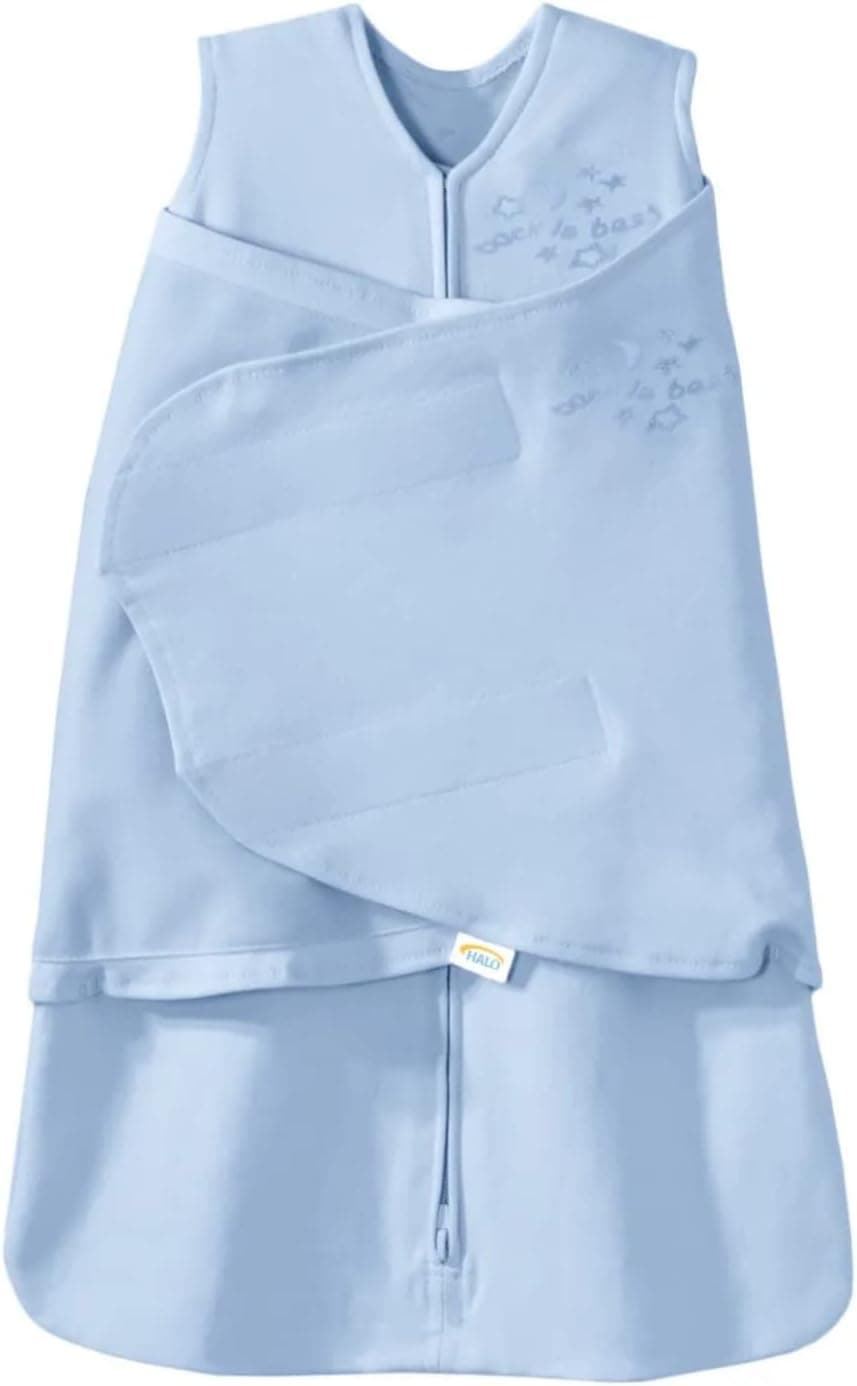
A sleep sack, also called a wearable blanket, keeps a baby warm without the loose blankets that are unsafe in a crib. It is the recommended way to provide warmth for infants, and choosing the right size and weight makes it both safe and comfortable. Getting the fit right is the key detail that parents most often overlook.
Products from this article
The highest-scoring picks from the buying guides this article links to. Scores are our editorial assessment, not customer ratings.
+ 3-way adjustable wrap lets you swaddle arms in, hands to face or arms out
From our guide: Best Wearable Blankets for Cozy, Blanket-Free Sleep (2026)
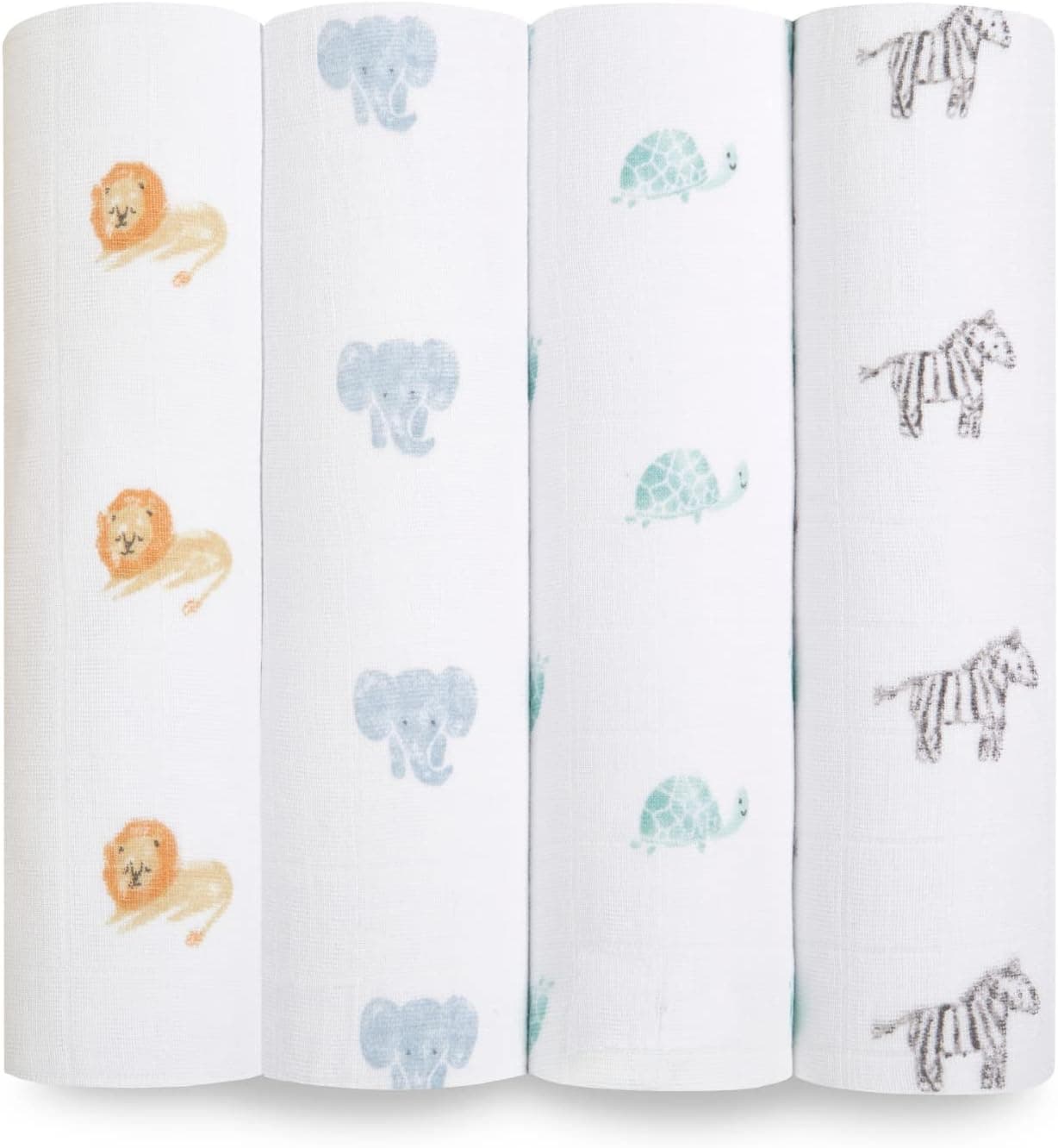
+ Large organic muslin blankets double as nursing covers and play mats
From our guide: Best Baby Blankets for Cozy, Safe Comfort (2026)
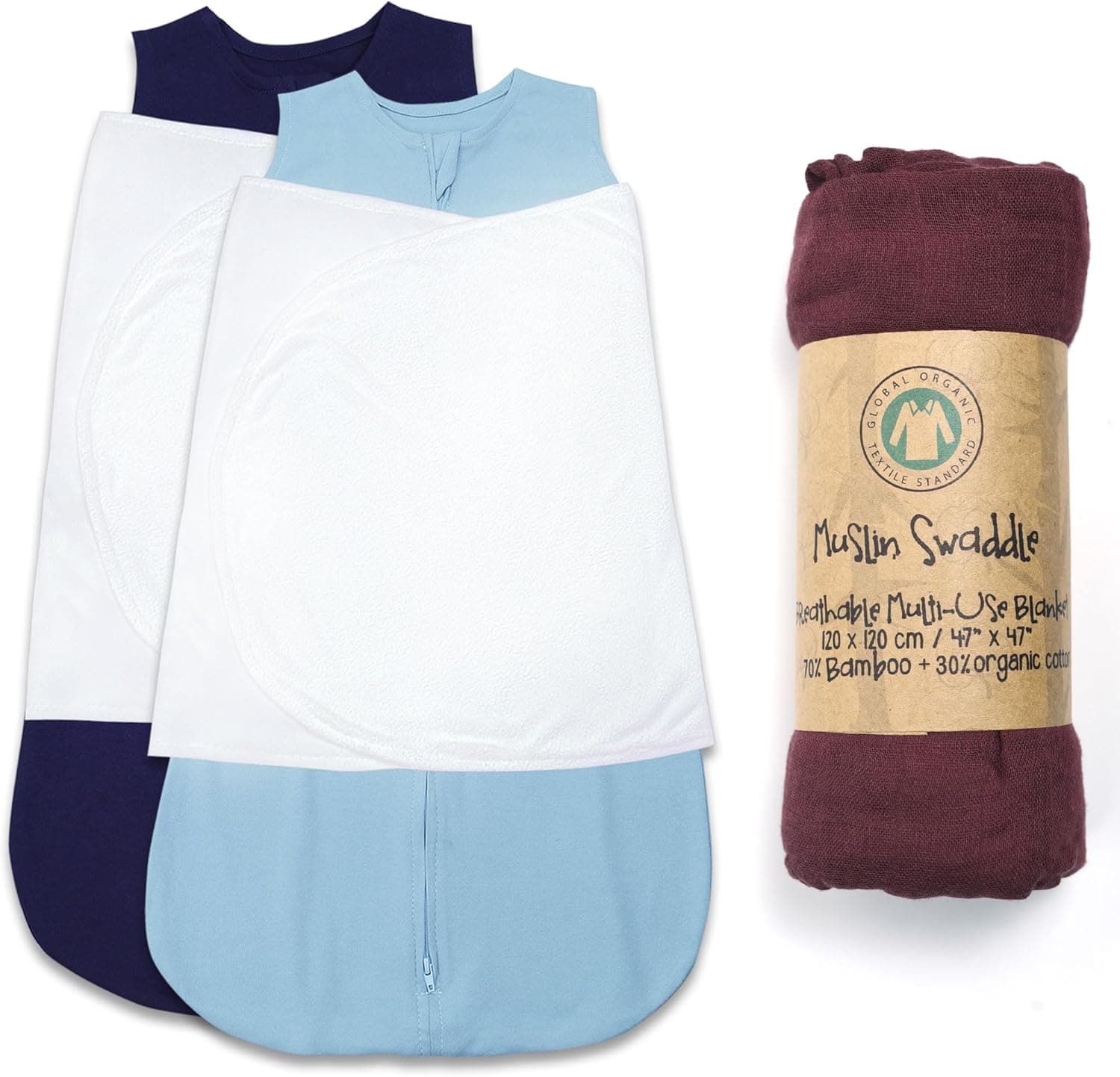
+ 2-piece set gives a spare for wash days and night-time accidents
From our guide: Best Wearable Blankets for Cozy, Blanket-Free Sleep (2026)
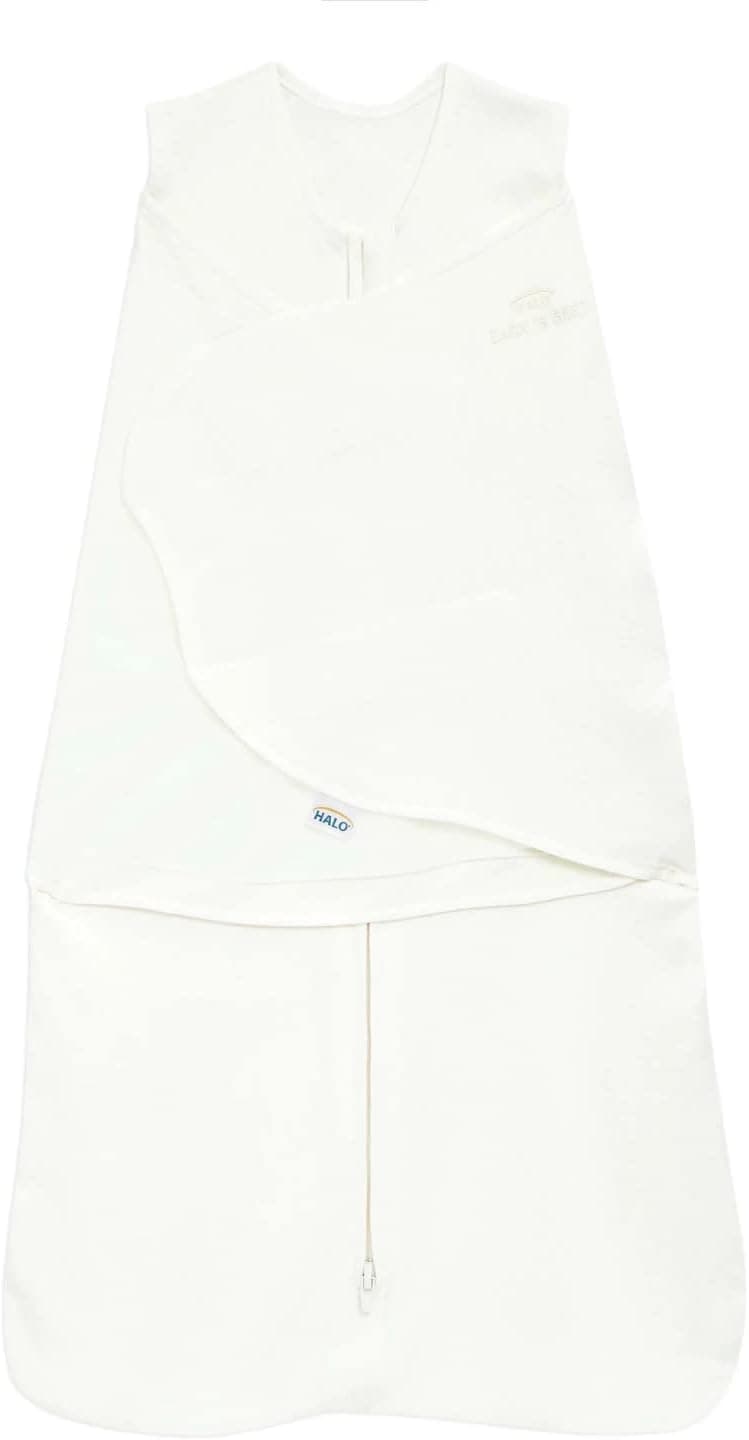
+ Cream color is gender neutral and works as a gift for any baby
From our guide: Best Sleep Sacks for Safe, Cozy Baby Sleep (2026)
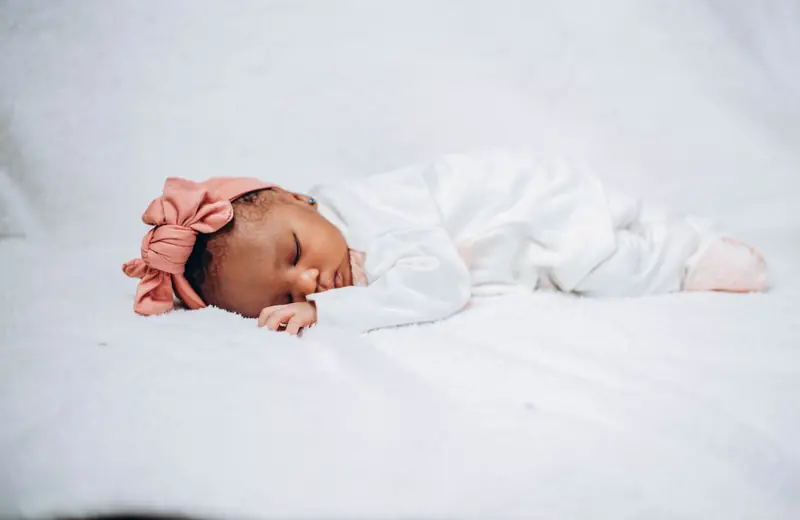
Start with why sleep sacks exist. Loose blankets, quilts, and comforters raise the risk of suffocation and are not recommended in an infant's sleep space. A sleep sack solves the problem by being worn like a garment, so it stays in place and cannot ride up over the face. It also cannot be kicked off, which means a baby stays covered through the night without any loose fabric in the crib.
Sizing follows the baby's weight and length, not just age. A sack that is too large can slip up toward the face or let the baby slide down inside it, while one that is too small restricts movement. Check the manufacturer's weight and height ranges rather than guessing. The neck and armholes should be snug enough that the baby's chin and shoulders cannot slip through, but not so tight that they chafe.
Warmth is measured in TOG, a rating of thermal insulation. A lower TOG, around 0.5, suits warm rooms, while a higher TOG, around 2.5, suits cooler ones. Match the TOG to your room temperature and the baby's clothing underneath, aiming to keep the baby comfortably warm but not hot. Overheating is a real risk, so check the chest or back of the neck; it should feel warm, not sweaty.
Dress the baby appropriately under the sack. In a comfortable room, a single layer such as a bodysuit or light pajamas under a medium-weight sack is often enough. Avoid stacking too many layers, and skip hats for indoor sleep. If the baby feels hot or is sweating, reduce a layer or move to a lower-TOG sack rather than removing the sack in favor of a loose blanket.
Safe use continues to follow the basics. Place a baby wearing a sleep sack on their back to sleep, keep the crib otherwise bare, and make sure the sack has no loose ties, hoods, or detachable parts that could pose a hazard. For younger babies, choose a sleeveless design that leaves the arms free once swaddling has ended and rolling has begun, so the baby can move freely.
As the baby grows, sleep sacks come in walking-length and footed versions for toddlers who move around the crib. The same principles apply: correct size, appropriate warmth, and a snug neck and armholes. A well-fitted sleep sack is one of the simplest ways to keep a baby cozy and safe, replacing risky loose bedding with a garment that does the same job without the danger.
Popular right now
- Best Bassinets for Safe Newborn Sleep Close By (2026)Buying guide
- How to Set Up a Bottle-Feeding Station in the NurseryArticle
- Best White Noise Machines for Calmer Baby Sleep (2026)Buying guide
- Best Wearable Blankets for Cozy, Blanket-Free Sleep (2026)Buying guide
- Best Crib Mobiles for Soothing Nurseries (2026)Buying guide
- Baby Clothing Size ChartArticle
Based on the last 28 days of search and visitor data.