Safe Sleep Basics Every Newborn Nursery Needs to Follow
Published How we research
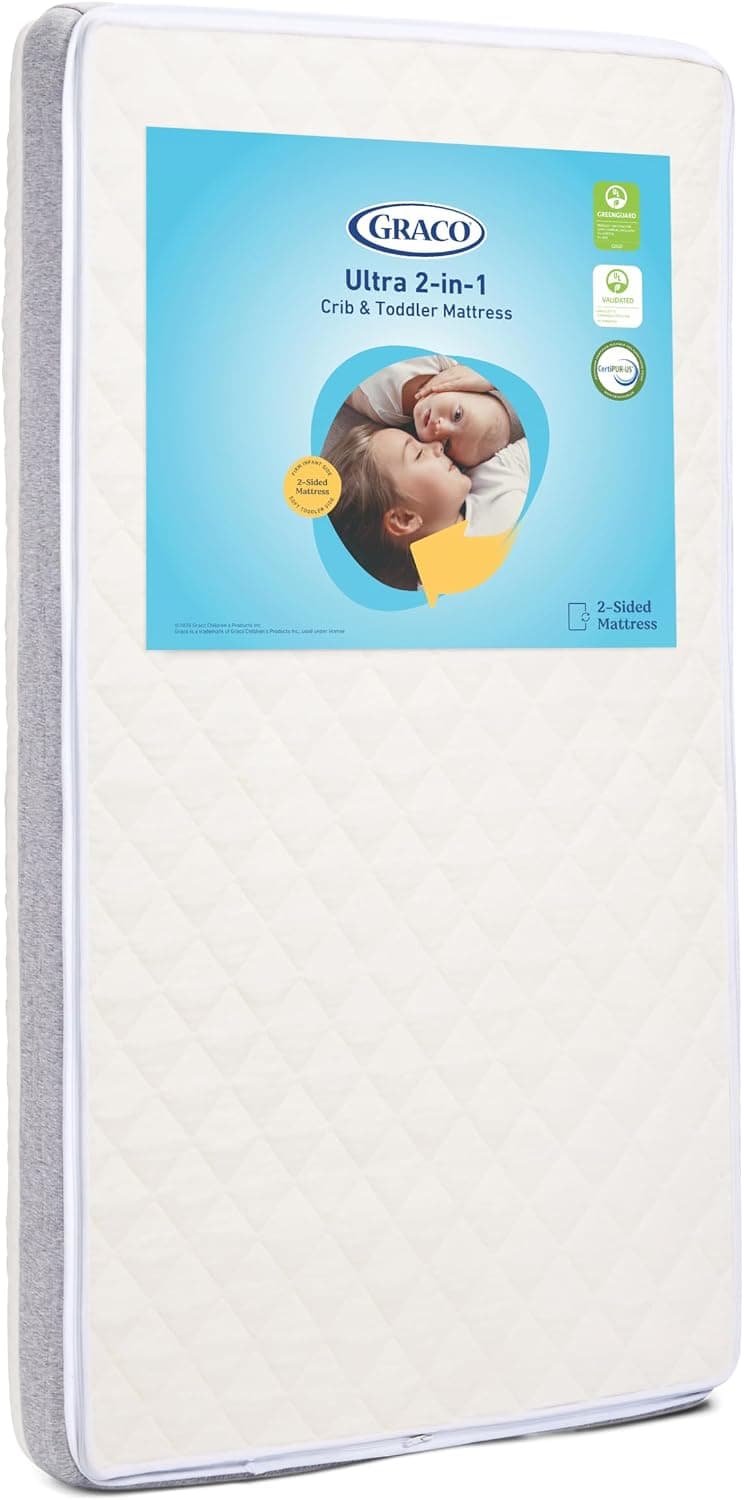
Safe sleep is the single most important thing a nursery gets right. The guidance from the American Academy of Pediatrics is built on decades of research, and following it consistently lowers the risk of sudden infant death syndrome and sleep-related suffocation. The rules are simple to remember and worth applying every single time a baby is put down to sleep.
Products from this article
The highest-scoring picks from the buying guides this article links to. Scores are our editorial assessment, not customer ratings.
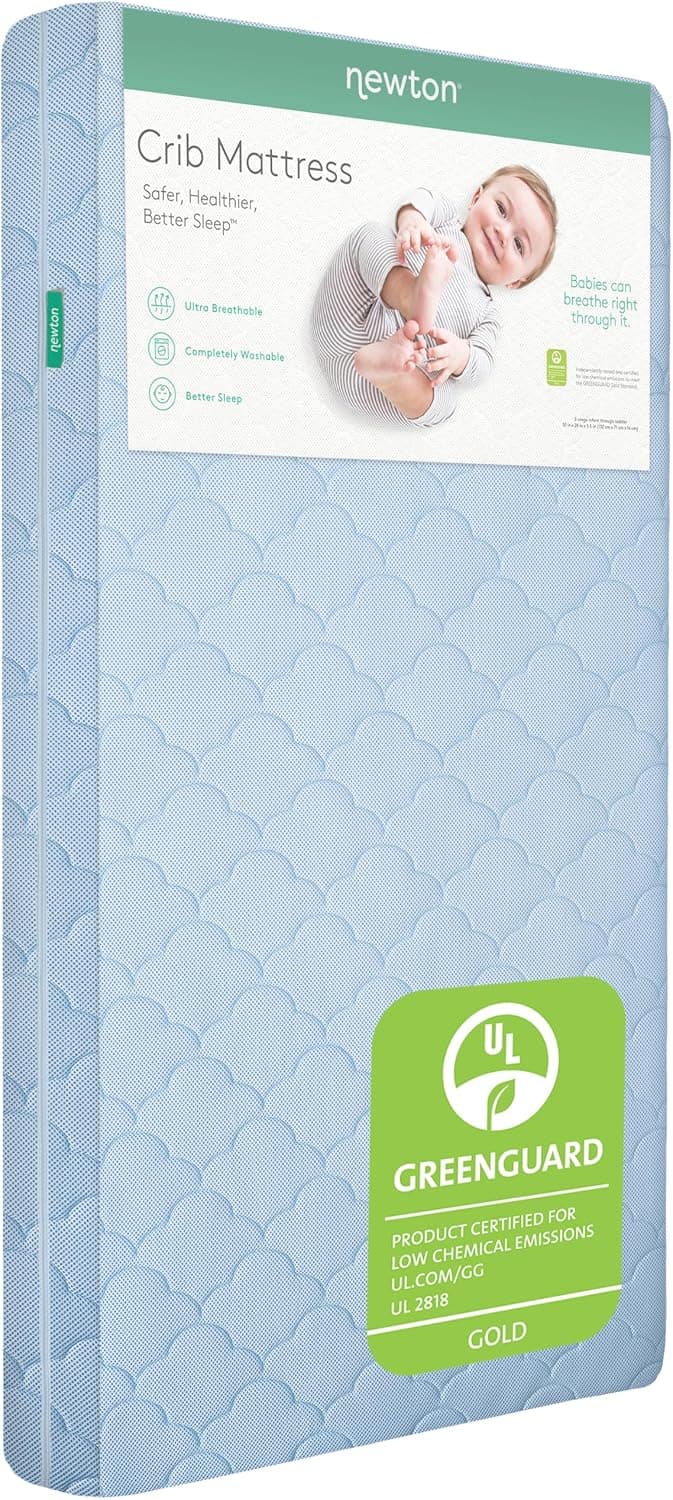
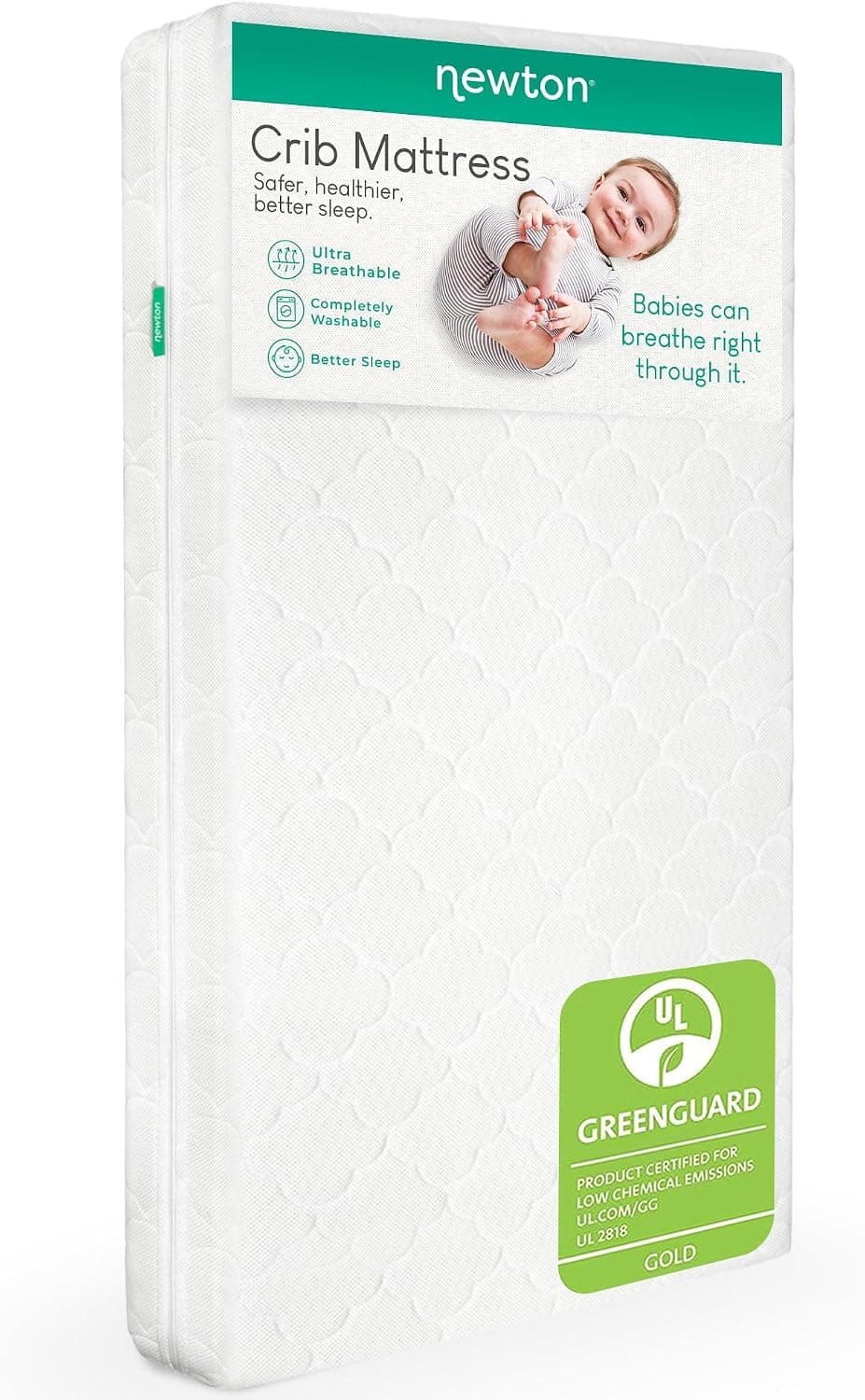
+ Breathable core is designed to allow airflow through the mattress
From our guide: Best Crib Mattresses for Firm, Safe Infant Sleep (2026)
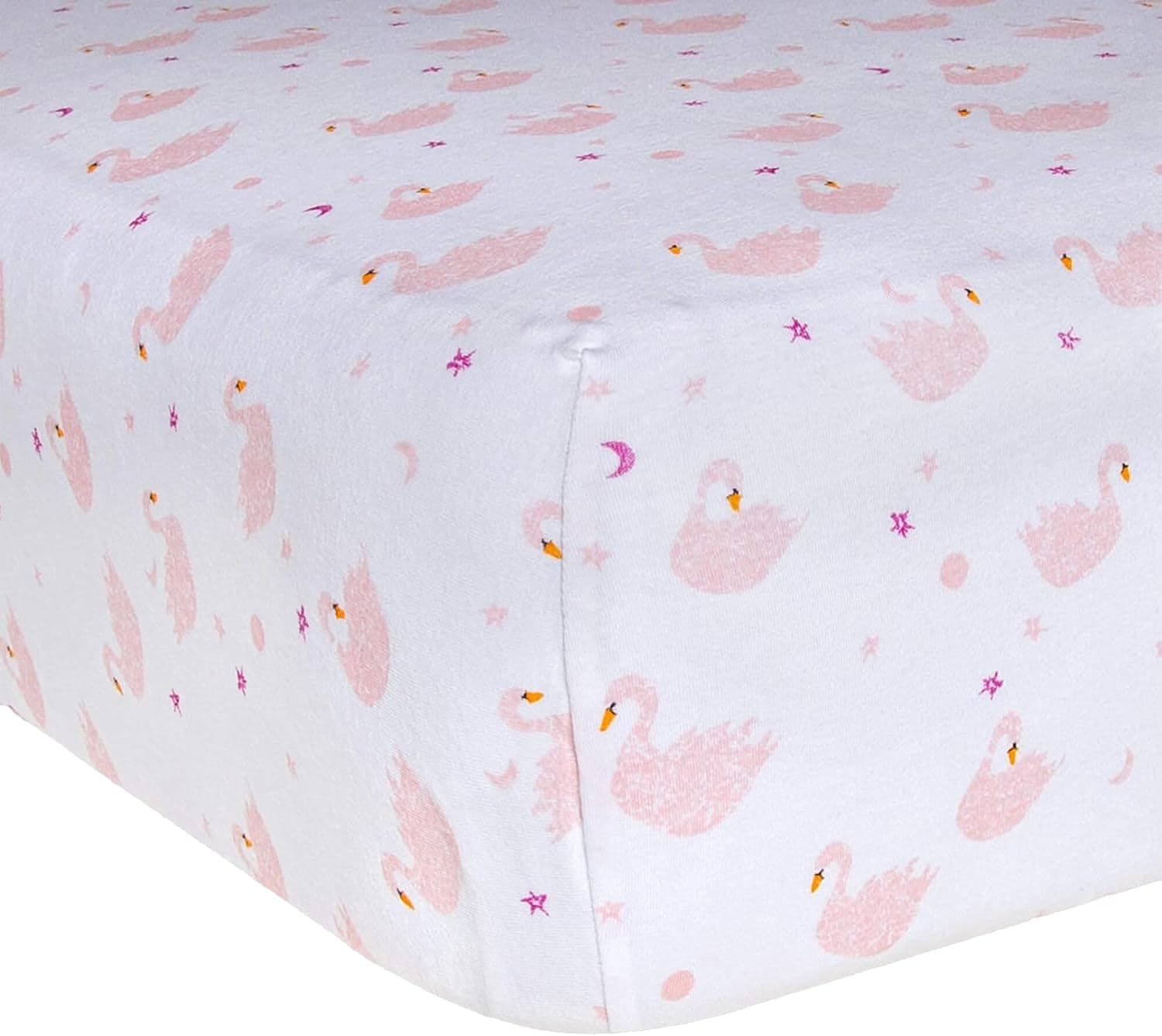
+ 28 x 52 x 5.5 inch sizing is clearly listed for mattress matching
From our guide: Best Crib Sheets for Safe, Snug Sleep (2026)
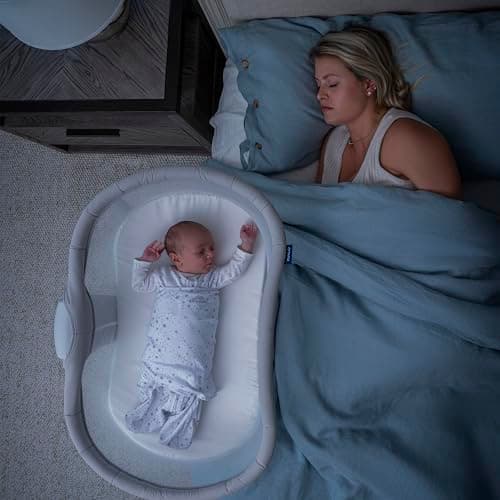
+ Swivels over the bed with a lowering wall, so night feeds and c-section recovery need less bending and twisting.
From our guide: Best Bassinets for Safe Newborn Sleep Close By (2026)
+ 100% recyclable construction appeals to eco-minded families
From our guide: Best Crib Mattresses for Firm, Safe Infant Sleep (2026)
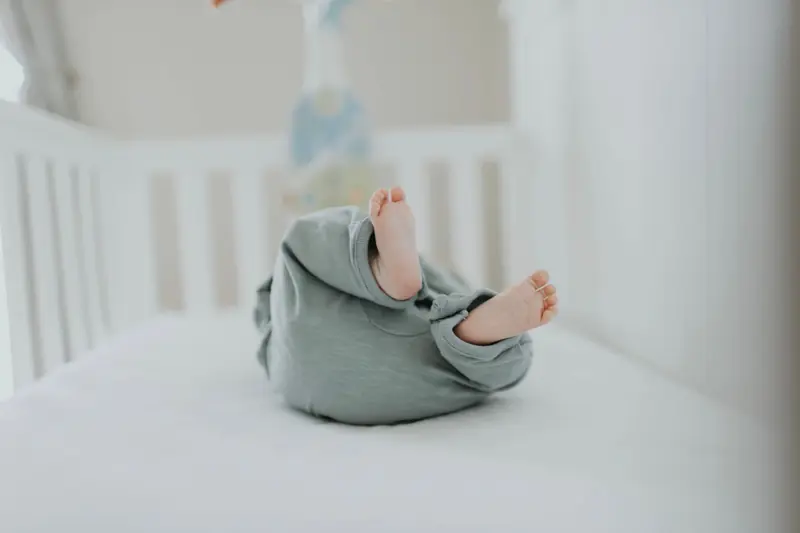
Start with position. Always place a baby on their back for every sleep, including naps, until their first birthday. Back sleeping does not increase choking risk in healthy infants, because a baby's airway anatomy and natural reflexes clear the throat. Side and stomach positions raise the risk and should be avoided until the child can reliably roll both ways on their own.
The sleep surface matters just as much. Use a firm, flat mattress made for the crib or bassinet, covered by a single tightly fitted sheet. The surface should not be inclined, and soft or plush mattresses are not safe. If a baby falls asleep in a swing, car seat, or carrier, move them to a flat surface as soon as it is practical, since prolonged sleep in a seated device can restrict breathing.
Keep the sleep space bare. That means no pillows, blankets, quilts, crib bumpers, positioners, or stuffed animals. These items can cover a baby's face or lead to overheating. To keep a baby warm, use a wearable blanket or sleep sack sized correctly rather than a loose blanket. A bare crib looks empty compared with catalog photos, and that is exactly how it should look.
Room-sharing without bed-sharing is recommended for at least the first six months. Place the baby's crib or bassinet in the parents' room, close to the bed but on a separate surface. Sharing a room makes feeding and monitoring easier while avoiding the risks of an adult bed, which include soft bedding, gaps, and the chance of a sleeping adult rolling onto the baby.
Watch temperature and avoid overheating. Dress the baby in one more layer than an adult would wear comfortably, and keep the room at a comfortable temperature, generally in the high 60s to low 70s Fahrenheit. Signs of overheating include sweating and a hot chest. Do not cover a baby's head indoors, and skip hats for sleep once you are home.
A few extra habits help. Offering a pacifier at sleep time, once feeding is established, is associated with lower risk. Keep the nursery smoke-free, since exposure to smoke raises risk significantly. Avoid home monitors marketed as preventing sudden death, because no device has been proven to do so, and they can create false reassurance. Consistency across every caregiver, including grandparents and sitters, is what makes these practices effective.
Popular right now
- Best Bassinets for Safe Newborn Sleep Close By (2026)Buying guide
- How to Set Up a Bottle-Feeding Station in the NurseryArticle
- Best White Noise Machines for Calmer Baby Sleep (2026)Buying guide
- Best Wearable Blankets for Cozy, Blanket-Free Sleep (2026)Buying guide
- Best Crib Mobiles for Soothing Nurseries (2026)Buying guide
- Baby Clothing Size ChartArticle
Based on the last 28 days of search and visitor data.