Getting Nursery Temperature and Humidity Right for Baby
Published How we research
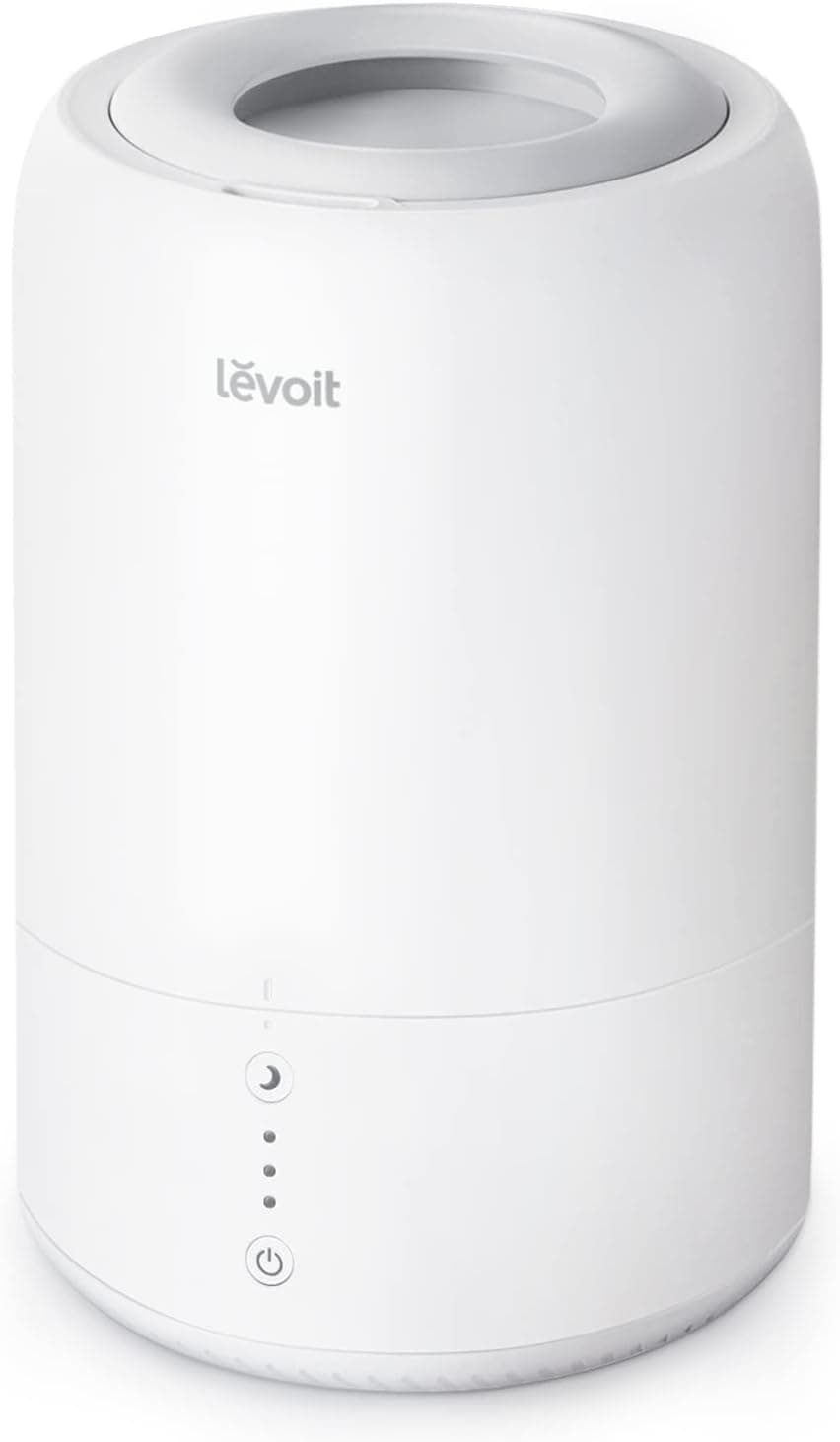
The air in a nursery affects both a baby's comfort and safety, and two factors matter most: temperature and humidity. A room that is too warm raises the risk of overheating, which is linked to sudden infant death, while air that is too dry or too damp can irritate a baby's skin and airways. Keeping both in a sensible range is easier with a few simple tools and habits.
Products from this article
The highest-scoring picks from the buying guides this article links to. Scores are our editorial assessment, not customer ratings.
+ 6L tank runs much longer between refills than compact models
From our guide: Best Nursery Humidifiers for Easier Breathing at Night (2026)
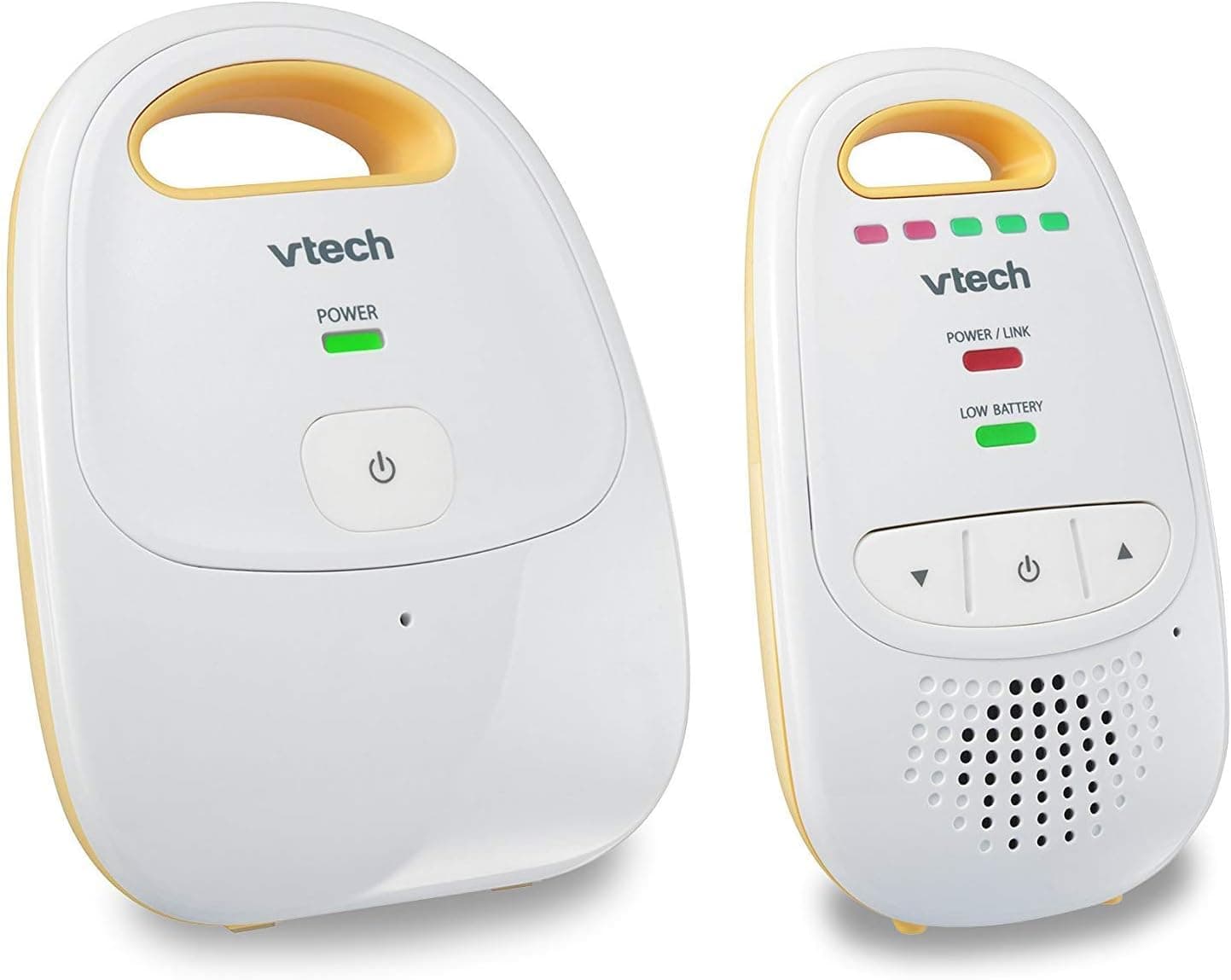
+ 1000ft range covers large homes and yards
From our guide: Best Audio Baby Monitors for Simple Listening (2026)
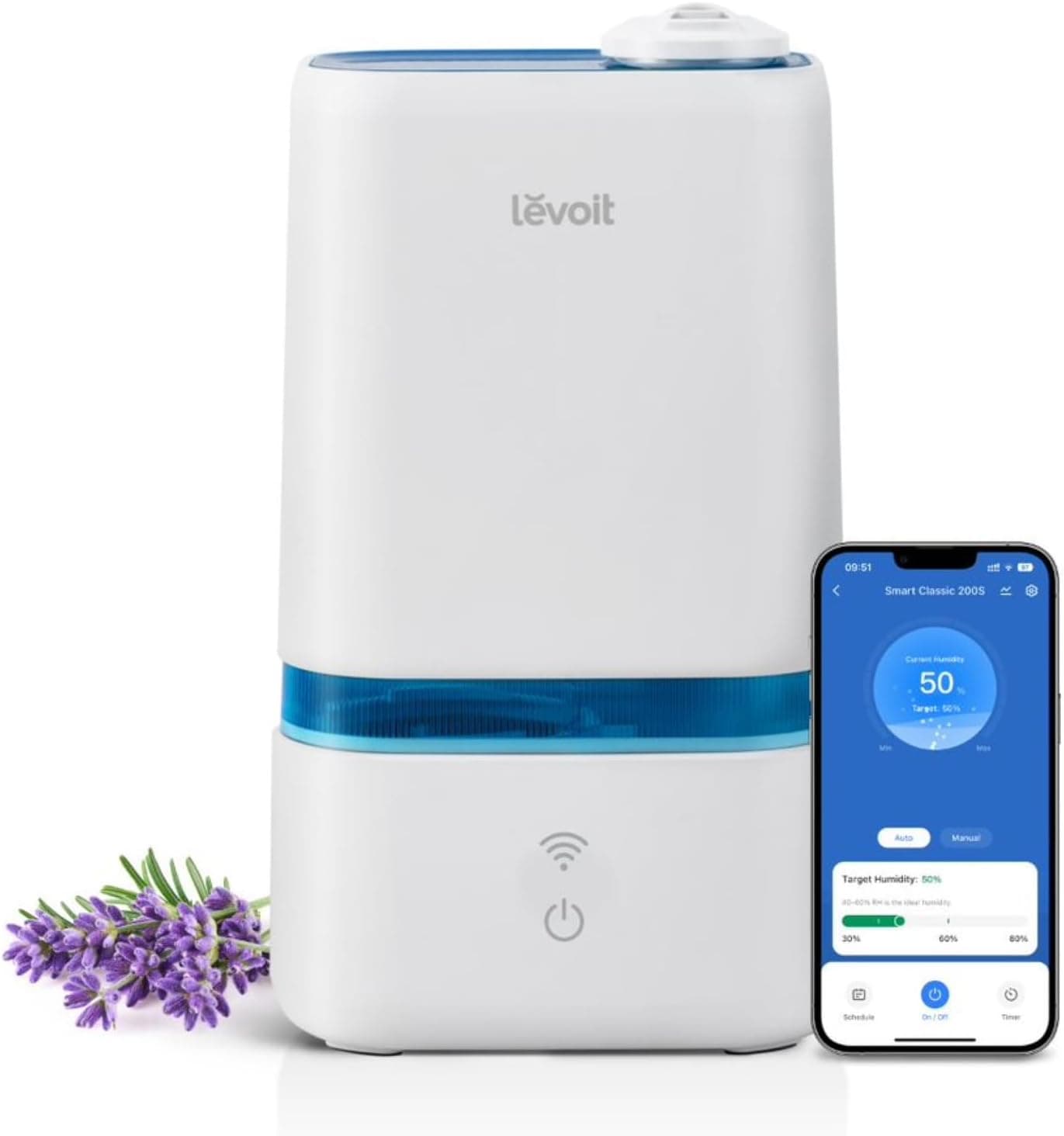
+ App and voice control let you adjust settings without disturbing baby
From our guide: Best Nursery Humidifiers for Easier Breathing at Night (2026)
+ Vibrating sound-alert notifies you in noisy environments
From our guide: Best Audio Baby Monitors for Simple Listening (2026)
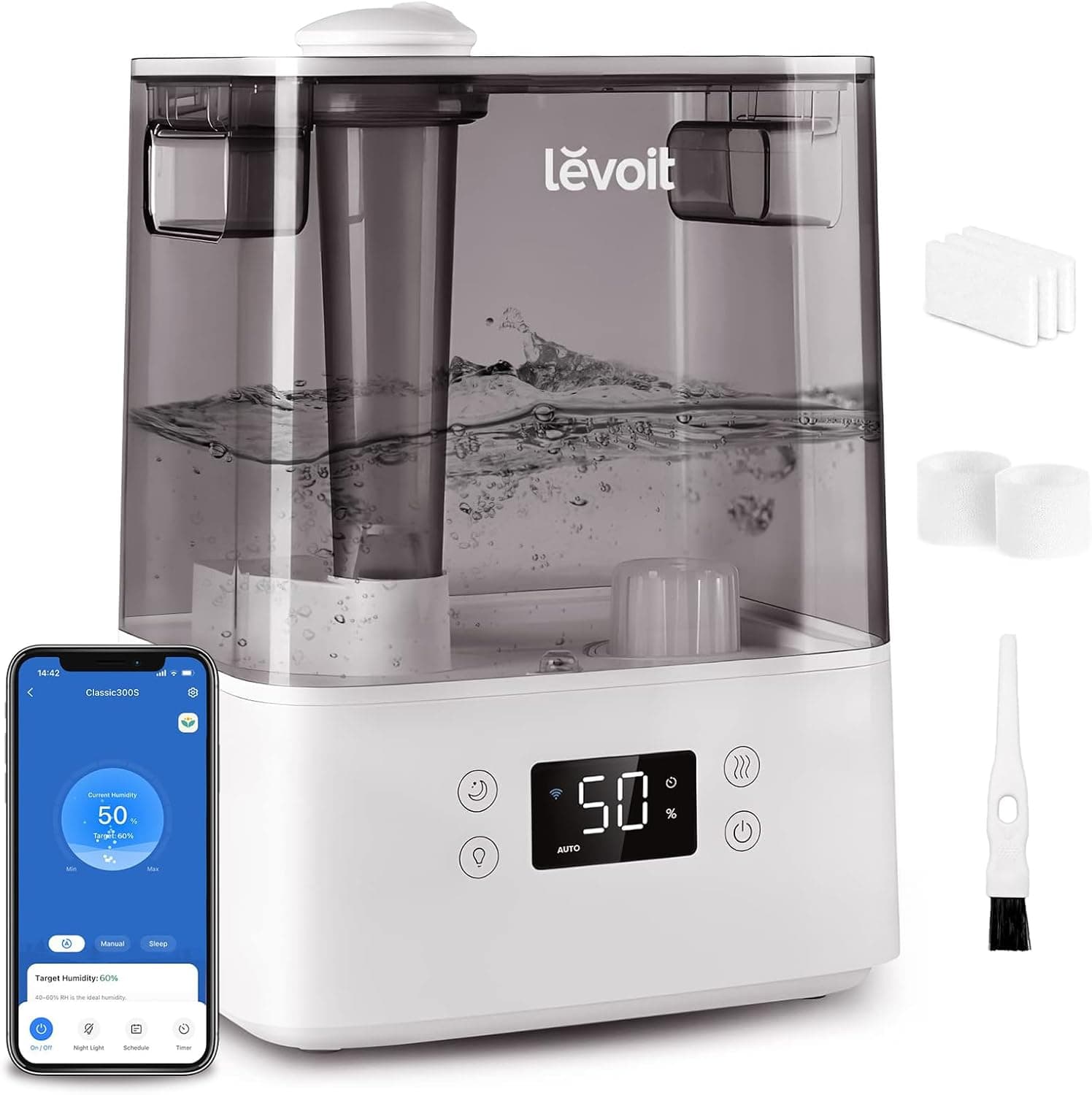
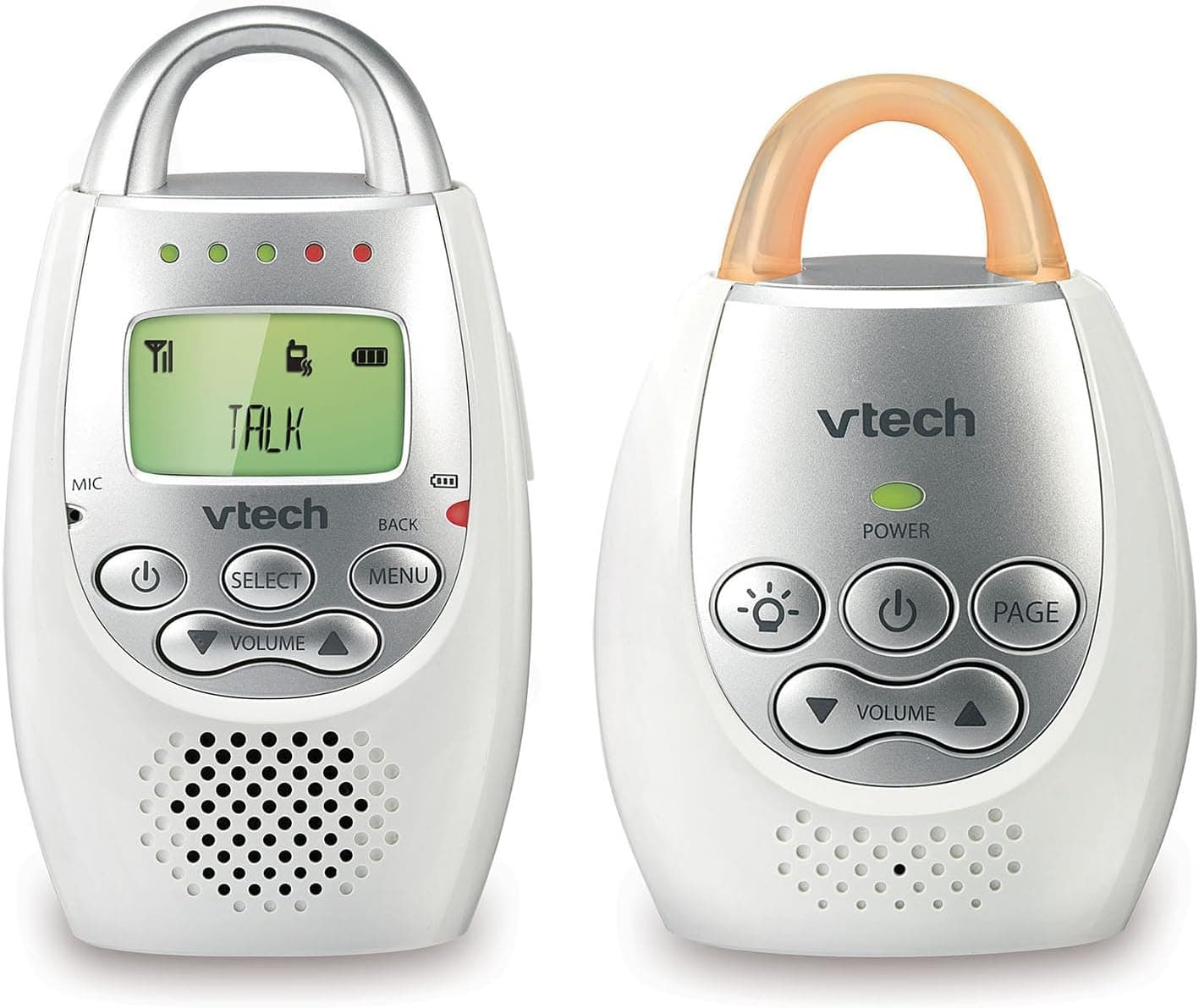
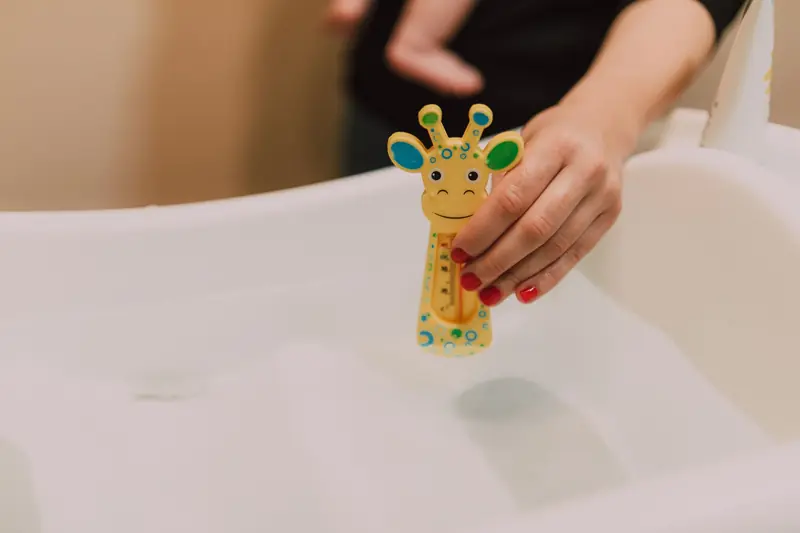
Temperature comes first. A comfortable range for a sleeping baby is generally around 68 to 72 degrees Fahrenheit, roughly the temperature an adult finds comfortable in light clothing. Avoiding overheating is a genuine safety measure, not just a comfort issue. A simple room thermometer, or the readout on many monitors, takes the guesswork out of judging the temperature by feel.
Dress the baby for the room rather than the season. A good rule is one layer more than an adult would wear comfortably in the same room. To check for overheating, feel the baby's chest or the back of the neck; it should feel warm, not hot or sweaty. Sweating, flushed cheeks, and damp hair are signs the baby is too warm and needs a layer removed.
Humidity plays a quieter but real role. Very dry air, common in winter with heating running, can dry out a baby's nasal passages and skin, while very damp air can encourage mold and dust mites. A comfortable relative humidity is often cited as somewhere between 40 and 60 percent. A small hygrometer measures it, and many combined thermometer units show both readings at once.
Managing the air is usually simple. In dry conditions, a cool-mist humidifier can add moisture, which may also ease congestion during colds. Clean it regularly and empty it daily, since standing water breeds bacteria and mold that then disperse into the air. In damp conditions, better ventilation or a dehumidifier helps. Keep any such device away from the crib and its cord out of reach.
Avoid common heat traps. Do not place the crib next to a radiator, heating vent, or in direct sunlight, all of which can overheat the sleep space unevenly. Skip hats for indoor sleep, and do not pile on blankets; use a correctly weighted sleep sack instead. Overheating from too many layers is more common than being too cold, so err toward lighter dressing.
Adjust with the seasons and check periodically. Summer may call for a fan positioned to circulate air without blowing directly on the baby, while winter may need a humidifier and lighter bedding to offset dry heat. A quick glance at a thermometer and hygrometer during the evening routine keeps the room in range. Comfortable, steady air conditions support better sleep and reduce a meaningful safety risk with very little effort.
Popular right now
- Best Bassinets for Safe Newborn Sleep Close By (2026)Buying guide
- How to Set Up a Bottle-Feeding Station in the NurseryArticle
- Best White Noise Machines for Calmer Baby Sleep (2026)Buying guide
- Best Wearable Blankets for Cozy, Blanket-Free Sleep (2026)Buying guide
- Best Crib Mobiles for Soothing Nurseries (2026)Buying guide
- Baby Clothing Size ChartArticle
Based on the last 28 days of search and visitor data.