How to Keep a Nursery Humidifier Clean and Safe
Published How we research
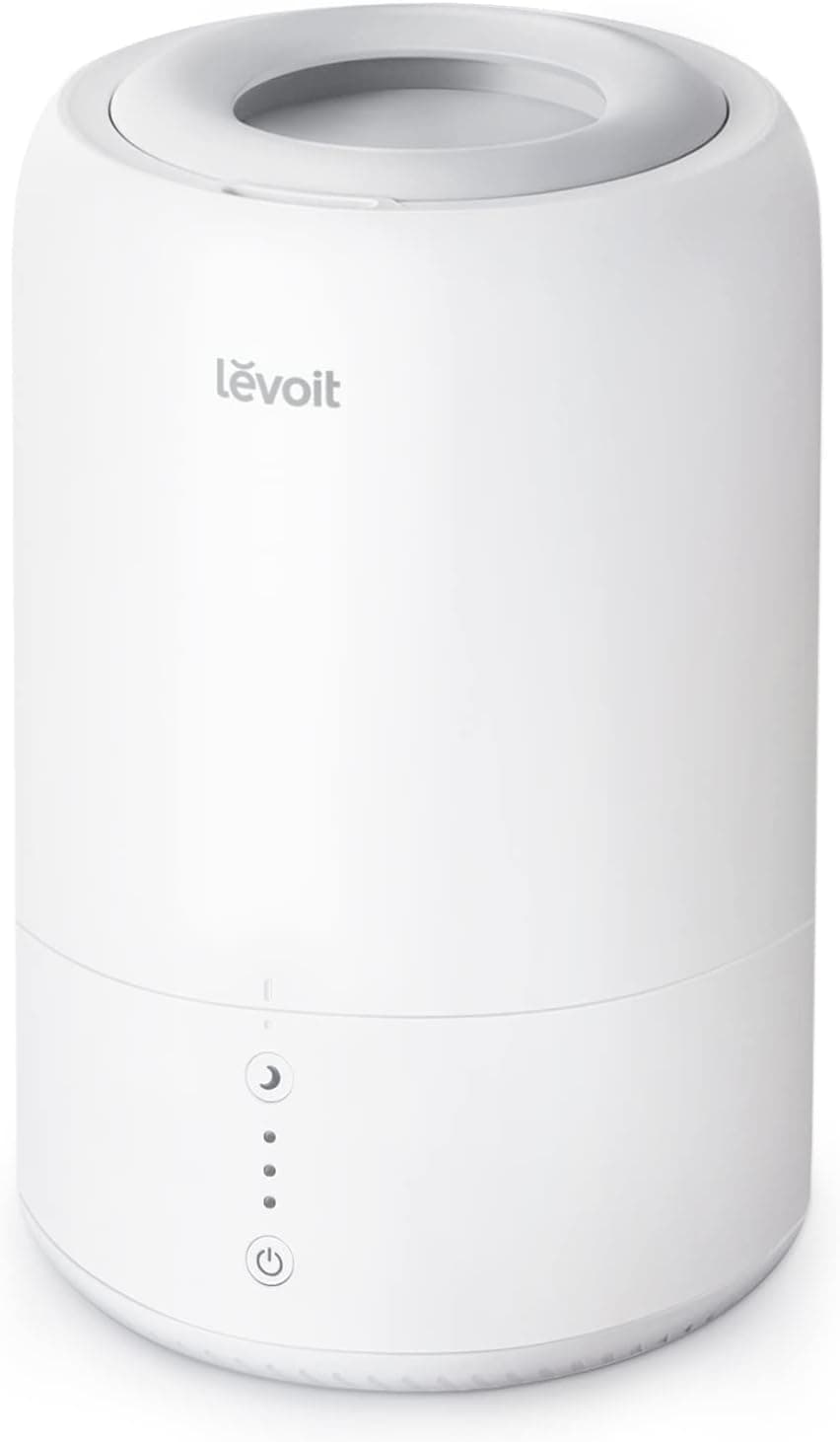
Humidifiers help ease dry air in winter, which can make stuffy noses and dry skin more comfortable for babies. But humidifiers can create their own problems: fine white dust across nursery furniture, slimy residue in the tank and musty smells. These issues come from minerals in tap water and microbial growth in standing water. Regular cleaning and the right water keep the humidifier safe.
Products from this article
The highest-scoring picks from the buying guides this article links to. Scores are our editorial assessment, not customer ratings.
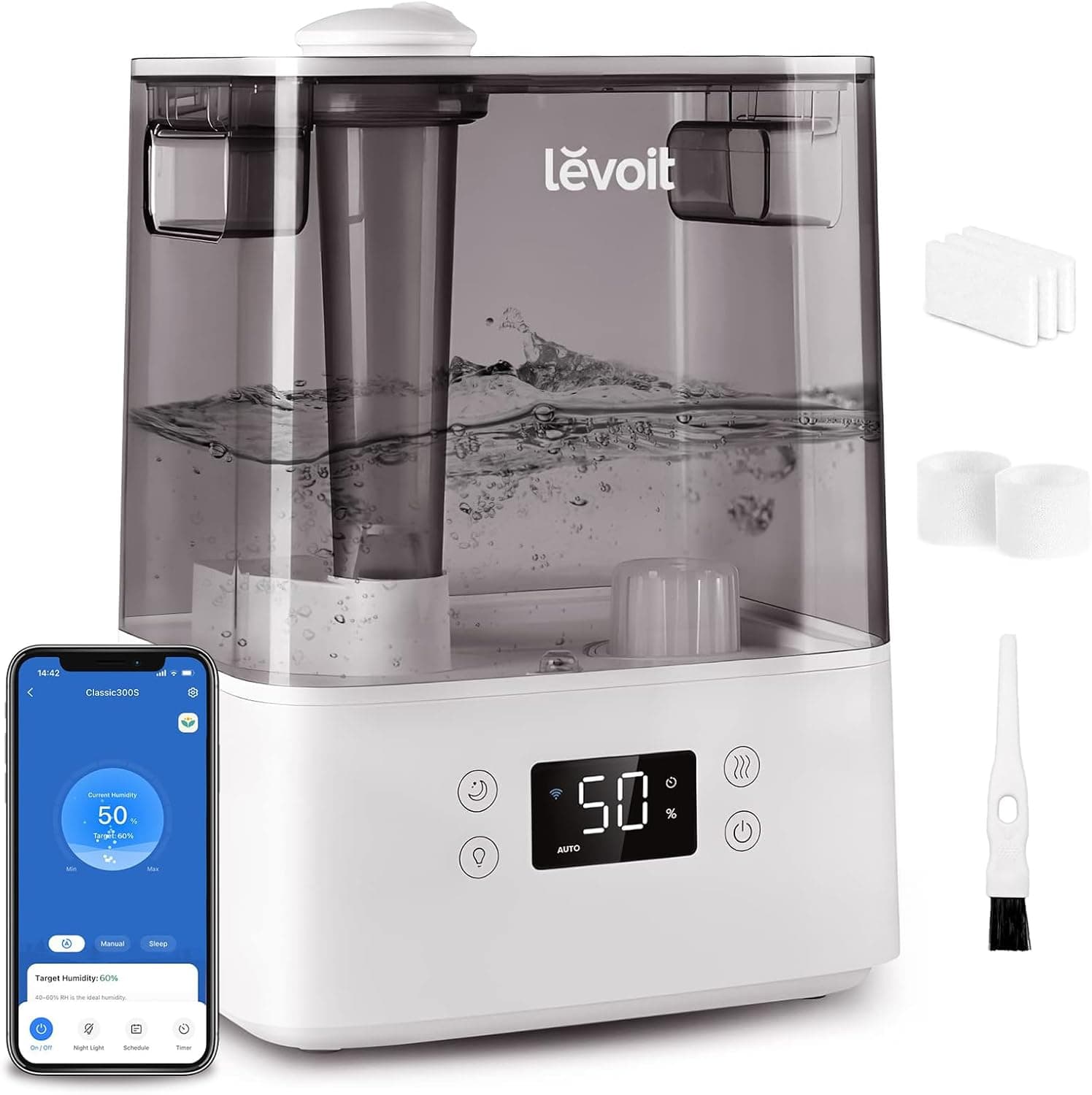
+ 6L tank runs much longer between refills than compact models
From our guide: Best Nursery Humidifiers for Easier Breathing at Night (2026)
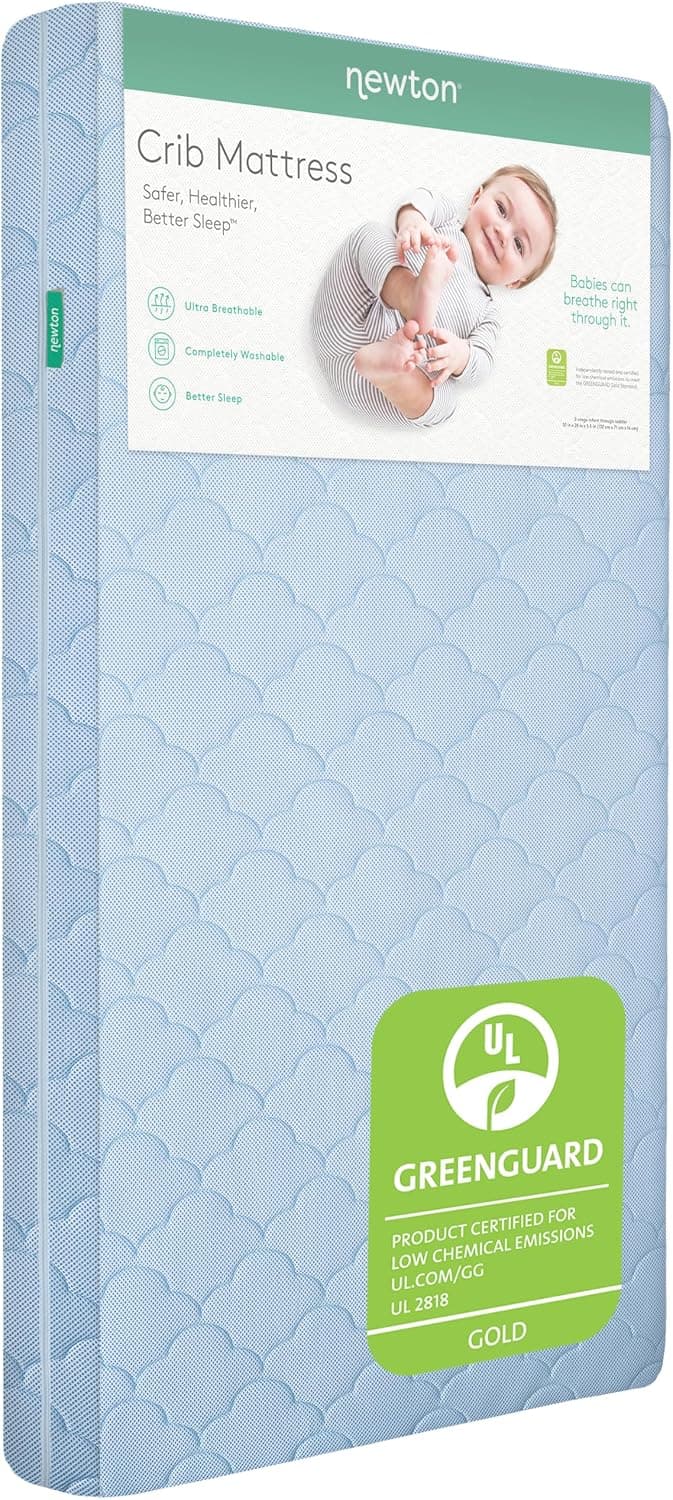
+ Breathable core is designed to allow airflow through the mattress
From our guide: Best Crib Mattresses for Firm, Safe Infant Sleep (2026)
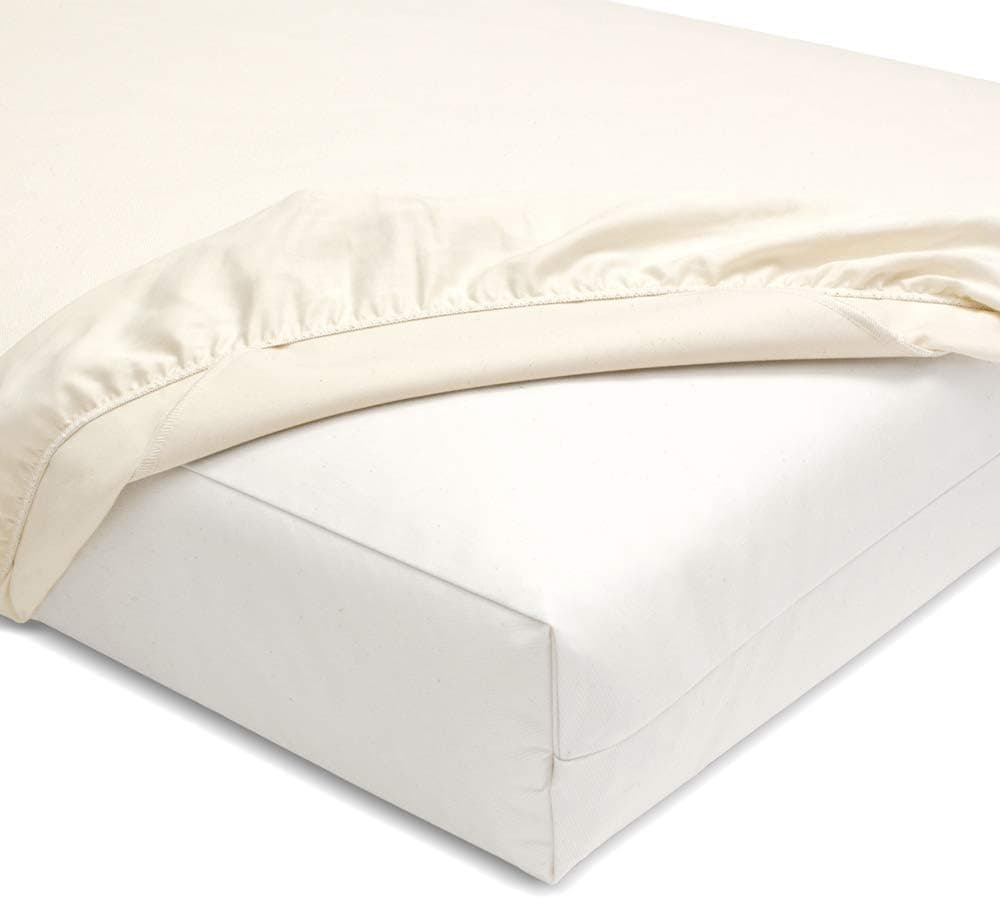
+ Organic materials suit parents avoiding conventional synthetic pads
From our guide: Best Crib Mattress Protectors for Leak-Proof Nights (2026)
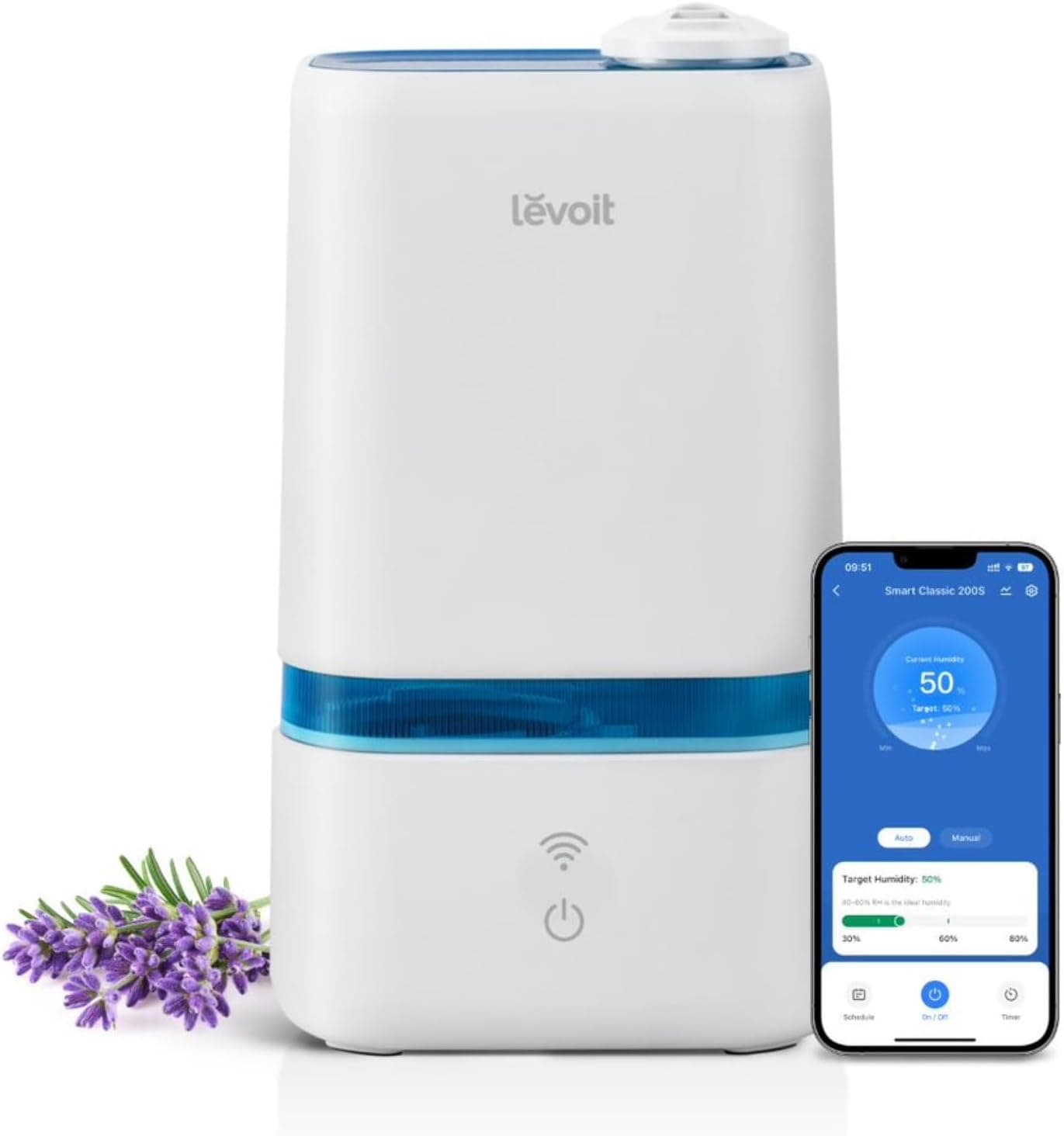
+ App and voice control let you adjust settings without disturbing baby
From our guide: Best Nursery Humidifiers for Easier Breathing at Night (2026)
Where white dust comes from
Ultrasonic and impeller humidifiers break water into tiny droplets, including dissolved minerals. When the water evaporates, minerals are left as fine white dust that settles on furniture, floors and electronics.
Using distilled or demineralised water greatly reduces white dust. Some humidifiers accept demineralisation cartridges, but these need regular replacement to remain effective.
Prevent mould and bacteria
Standing water in humidifier tanks can grow bacteria and mould, which may then be released into the air. Pink or orange slime, dark spots and musty smells are signs the humidifier needs cleaning immediately.
Empty the tank daily, rinse it and allow it to dry before refilling. Never leave water sitting in a humidifier that is switched off for days.
Clean it regularly
Follow the manufacturer's cleaning instructions. Many recommend weekly cleaning with a vinegar solution to remove mineral scale, followed by thorough rinsing, and occasional disinfection with a diluted solution recommended in the manual.
Clean small crevices with a soft brush and replace filters or wicks on schedule. Rinse all cleaning products away completely before using the humidifier again.
Keep humidity in a healthy range
Too much humidity encourages condensation on windows, mould and dust mites. Many health organisations suggest indoor humidity of roughly 30-50%, and a hygrometer helps you track levels in the nursery.
Turn the humidifier off or down if windows fog or walls feel damp. Humidifiers with built-in humidistats automatically maintain a target level, which is convenient overnight.
Choose and place it safely
Cool mist humidifiers are generally recommended for children's rooms because warm mist models can cause burns if knocked over. Place the humidifier on a stable surface out of reach of the crib, with cords secured away from little hands.
Keep the humidifier away from walls, curtains and furniture to avoid damp spots, and position it so mist does not blow directly onto the crib or bedding.
Popular right now
- Best Bassinets for Safe Newborn Sleep Close By (2026)Buying guide
- How to Set Up a Bottle-Feeding Station in the NurseryArticle
- Best White Noise Machines for Calmer Baby Sleep (2026)Buying guide
- Best Wearable Blankets for Cozy, Blanket-Free Sleep (2026)Buying guide
- Best Crib Mobiles for Soothing Nurseries (2026)Buying guide
- Baby Clothing Size ChartArticle
Based on the last 28 days of search and visitor data.