How to Set Up a Safe and Efficient Diapering Station
Published How we research
A diapering station handles one of the most frequent tasks of newborn care, and getting it right makes each change faster and safer. Newborns need changing eight to twelve times a day at first, so an efficient setup pays off immediately. The main principles are keeping everything within arm's reach and never leaving the baby unattended on a raised surface.
Products from this article
The highest-scoring picks from the buying guides this article links to. Scores are our editorial assessment, not customer ratings.
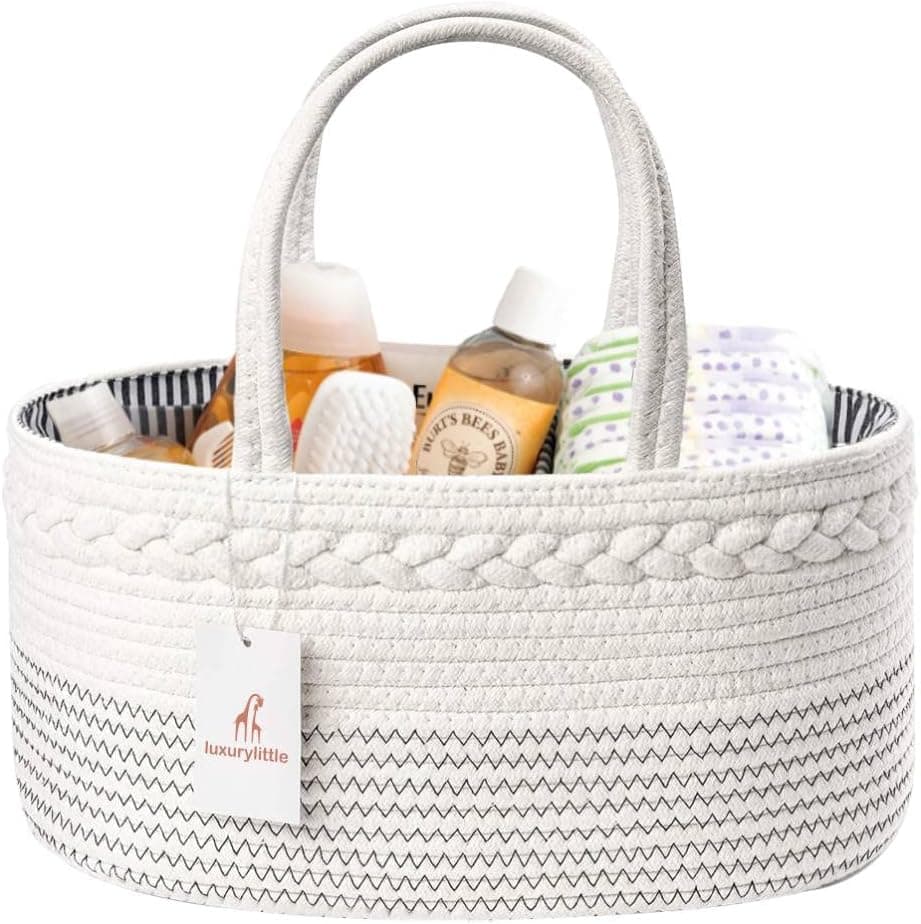
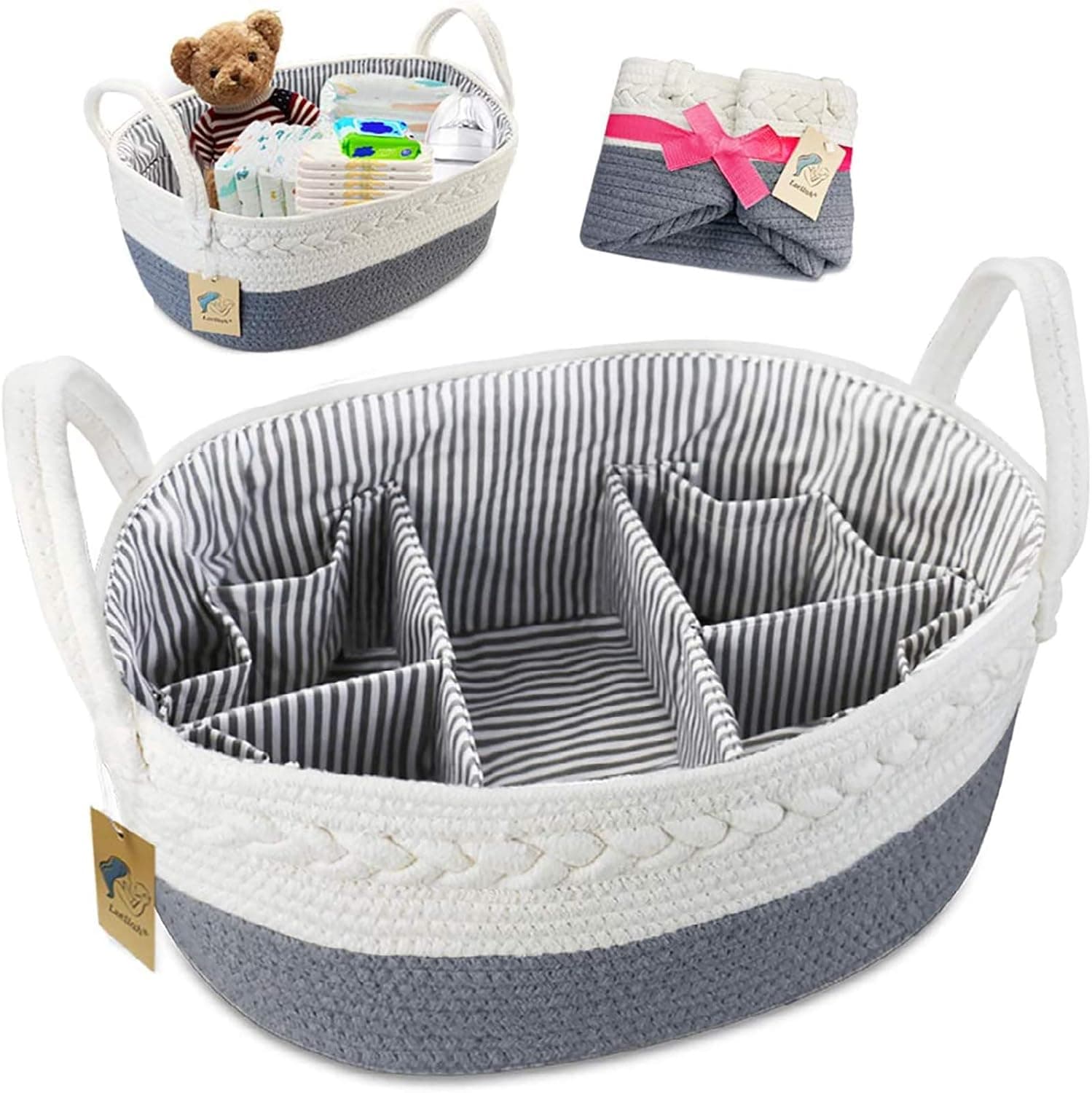
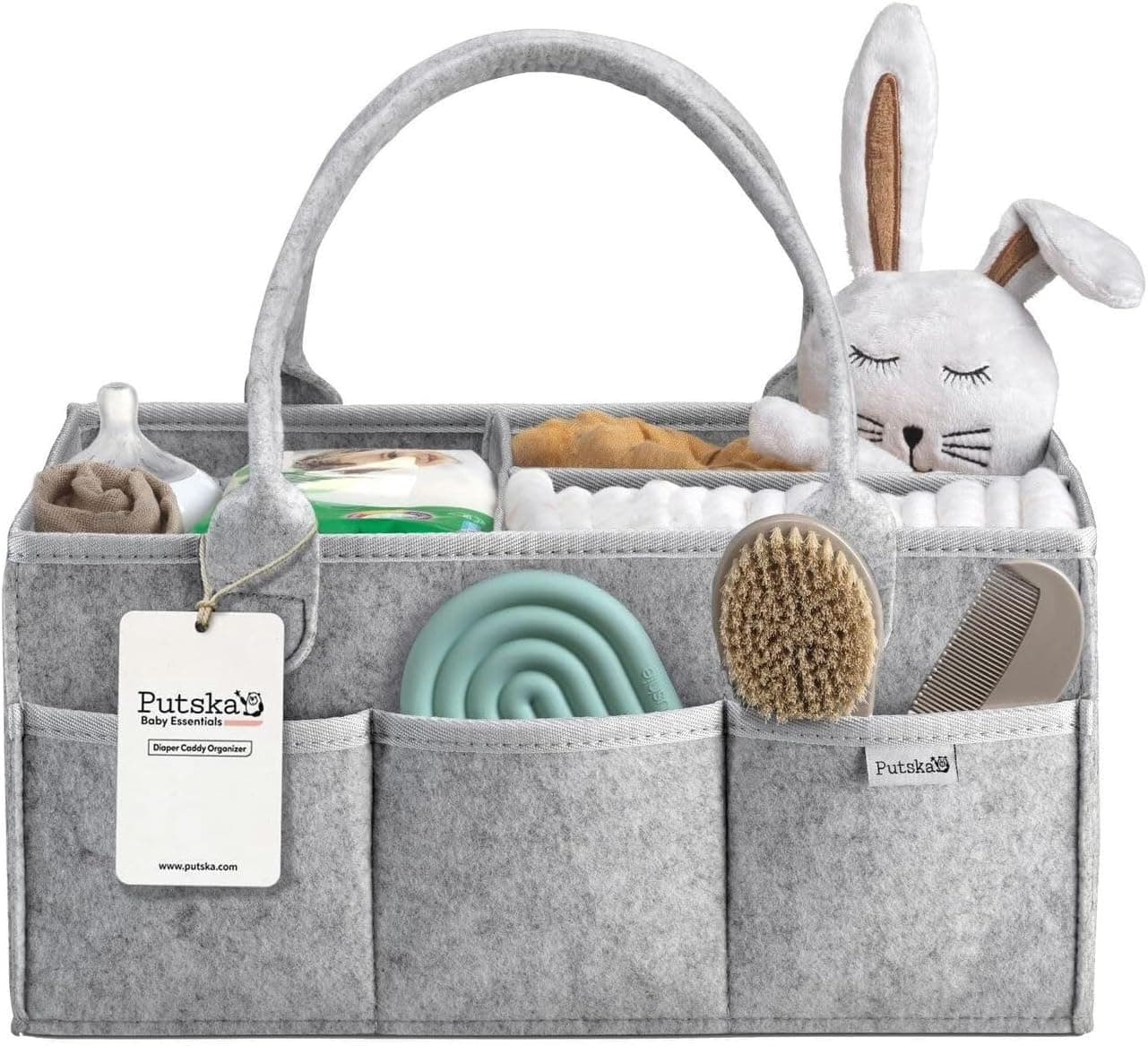
+ 8 pockets and 5 compartments separate creams, wipes and diapers neatly
From our guide: Best Diaper Caddies for Organized Changes (2026)
+ Removable changing topper turns the chest into a changing station and later back into a normal dresser.
From our guide: Best Changing Tables for a Safe, Organized Nursery (2026)
+ Organic jersey cotton feels soft and stretchy on the pad
From our guide: Best Changing Pad Covers for Easy Cleanup (2026)
+ Large capacity holds diapers, wipes and spare clothes
From our guide: Best Diaper Caddies for Organized Changes (2026)
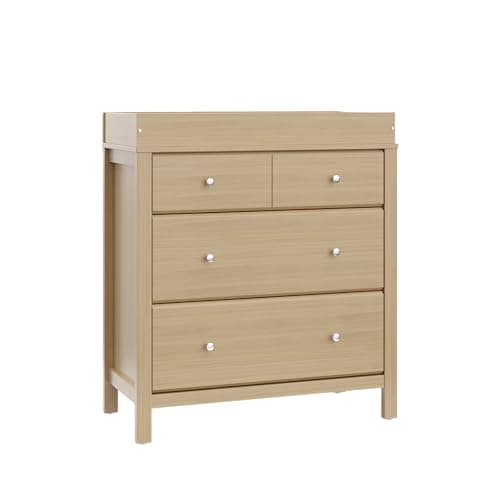

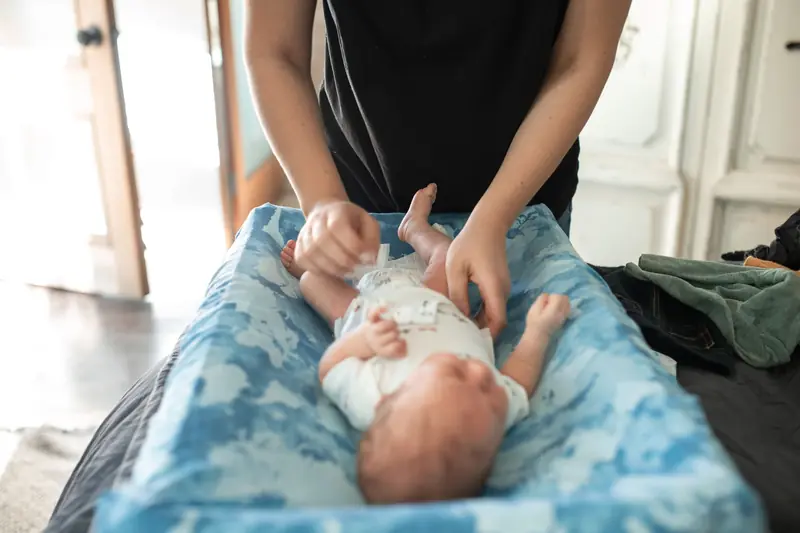
Choose the surface first. A dresser topped with a contoured changing pad is a popular, space-saving choice, and the raised sides of a contoured pad help keep the baby centered. Secure the pad to the furniture so it cannot slide, and use the safety strap for every change. Even a newborn who cannot roll yet can wriggle, so the strap and a hand always on the baby are both essential.
Stock supplies so nothing requires stepping away. Keep diapers in the current size, a full container of wipes, and a barrier cream to prevent and treat rash. Add a stack of clean bodysuits and sleepers for the frequent blowouts of early infancy, plus a few cloth wipes or a soft towel. Group these in a caddy or the top drawer so one reach handles the whole change.
Plan for disposal and mess. A dedicated diaper pail with a lid contains odor, and a small trash liner nearby handles wipes. Keep a plastic bag or two for outings and for containing especially messy diapers. For cloth diaper users, a lidded wet bag or pail with a washable liner keeps things sanitary until laundry day. Position disposal within reach but out of the baby's grasp.
Hygiene habits protect both baby and caregiver. Wipe front to back to reduce the risk of infection, especially for girls, and give the skin a moment to dry before fastening a clean diaper to help prevent rash. Wash or sanitize hands after each change. Keep creams and any powders out of the baby's reach and away from their face, since inhaled powder can irritate tiny lungs.
Comfort and lighting make night changes smoother. A dim, warm light lets you handle a change without fully waking the baby, and a small distraction such as a mobile or a soft toy fixed nearby can keep an older baby's hands busy. Keep the room comfortably warm during changes, since babies lose heat quickly when undressed and may protest a cold surface.
Review the station as the baby grows. Diaper sizes change, supply needs shift, and a mobile baby demands even closer attention on the changing surface. Many parents eventually add a second small changing spot downstairs to avoid stairs during the day. Whatever the layout, the constants stay the same: everything in reach, a hand on the baby, and a strap for safety.
Popular right now
- Best Bassinets for Safe Newborn Sleep Close By (2026)Buying guide
- How to Set Up a Bottle-Feeding Station in the NurseryArticle
- Best White Noise Machines for Calmer Baby Sleep (2026)Buying guide
- Best Wearable Blankets for Cozy, Blanket-Free Sleep (2026)Buying guide
- Best Crib Mobiles for Soothing Nurseries (2026)Buying guide
- Baby Clothing Size ChartArticle
Based on the last 28 days of search and visitor data.