How to Choose a Safe and Supportive Crib Mattress for Baby
Published How we research
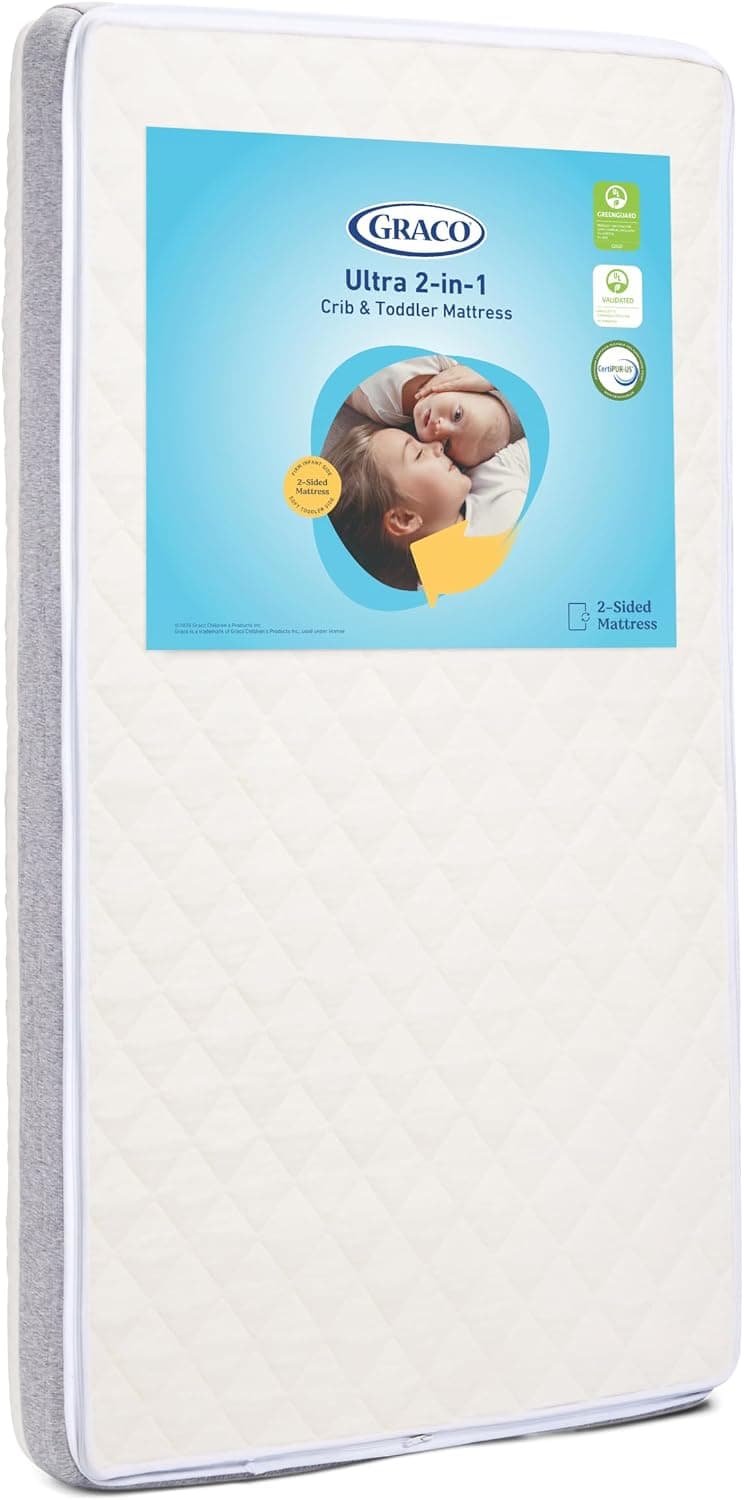
The crib mattress is where a baby spends more hours than anywhere else, so choosing well matters for both safety and sleep. The two non-negotiable qualities are firmness and a snug fit. Beyond those, materials, waterproofing, and durability separate a mattress that lasts through toddlerhood from one that sags within a year.
Products from this article
The highest-scoring picks from the buying guides this article links to. Scores are our editorial assessment, not customer ratings.
+ Breathable core is designed to allow airflow through the mattress
From our guide: Best Crib Mattresses for Firm, Safe Infant Sleep (2026)
+ 28 x 52 x 5.5 inch sizing is clearly listed for mattress matching
From our guide: Best Crib Sheets for Safe, Snug Sleep (2026)
+ Organic materials suit parents avoiding conventional synthetic pads
From our guide: Best Crib Mattress Protectors for Leak-Proof Nights (2026)
+ 100% recyclable construction appeals to eco-minded families
From our guide: Best Crib Mattresses for Firm, Safe Infant Sleep (2026)
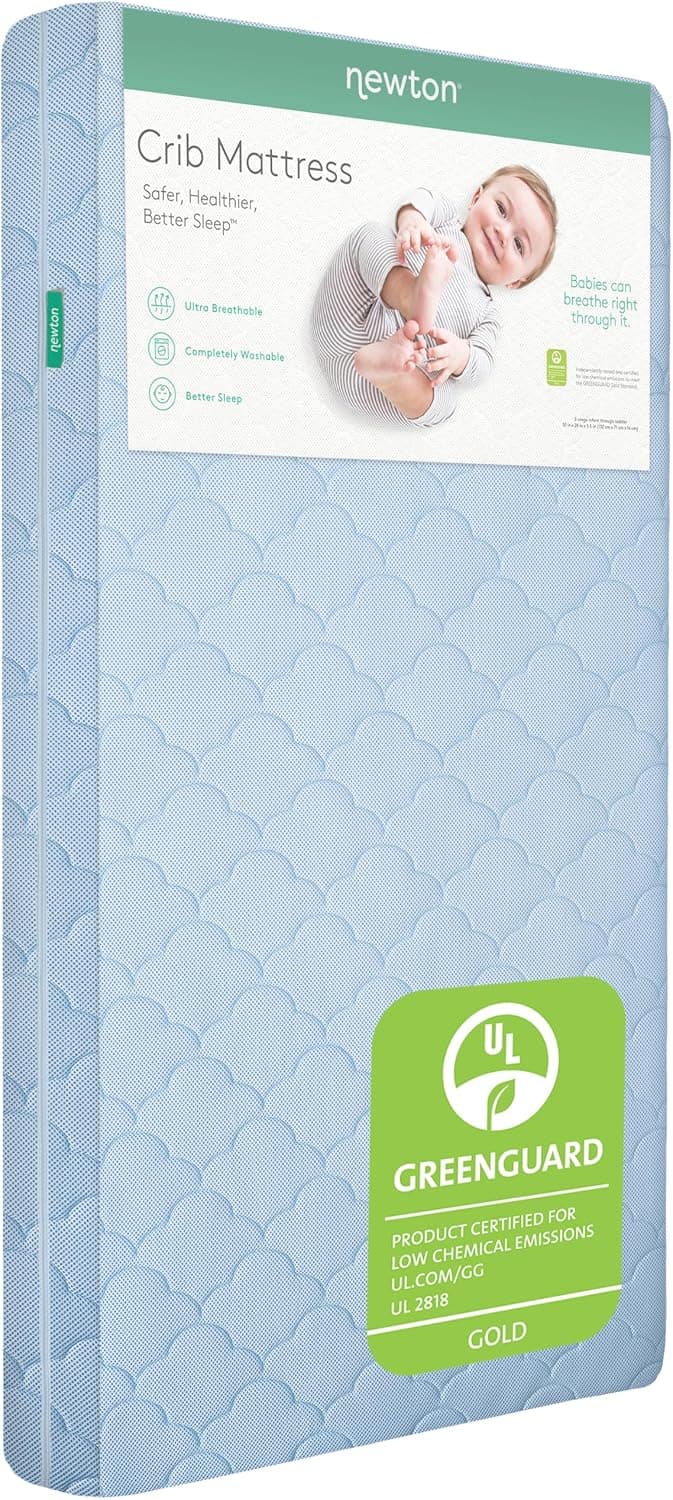
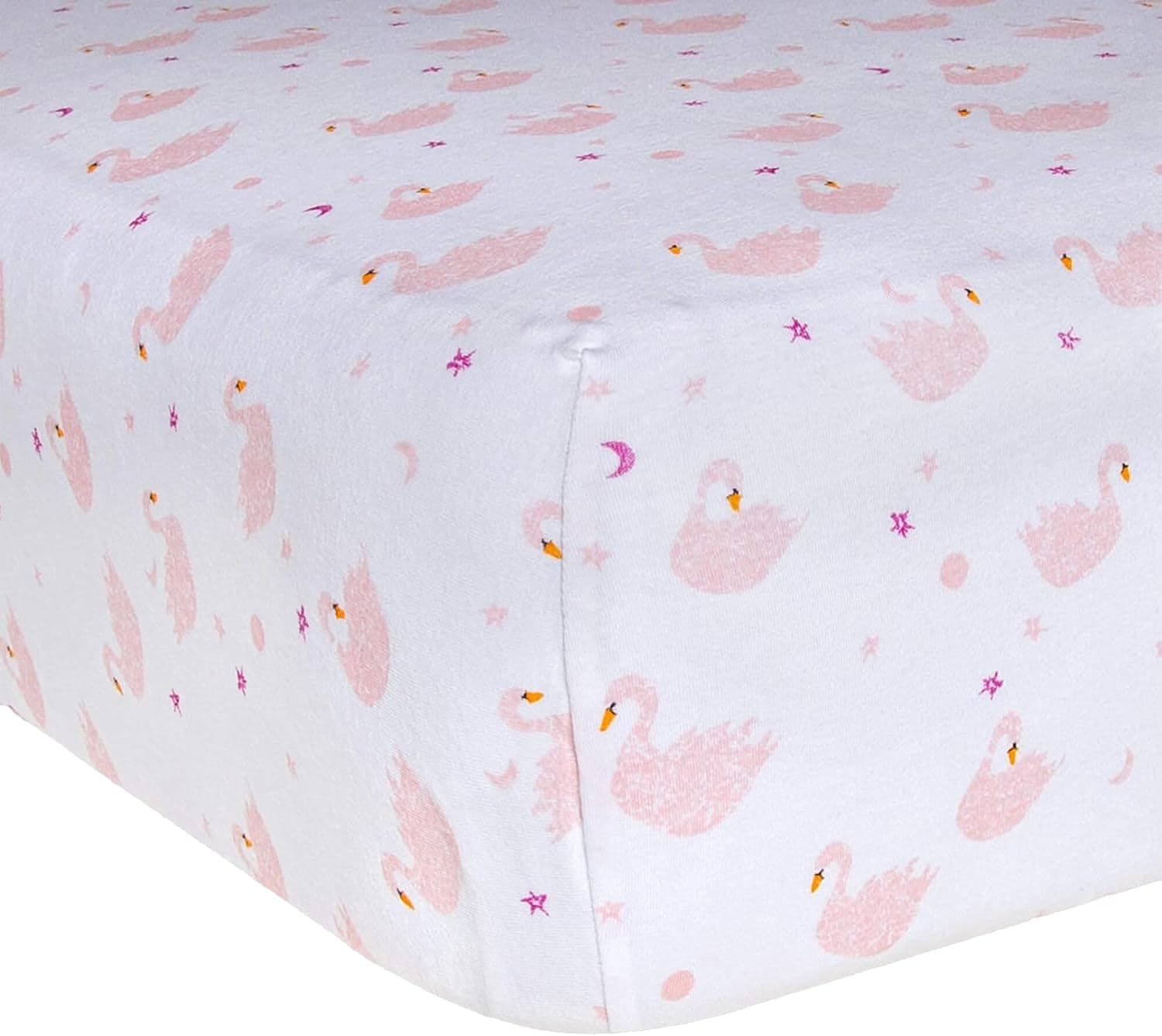
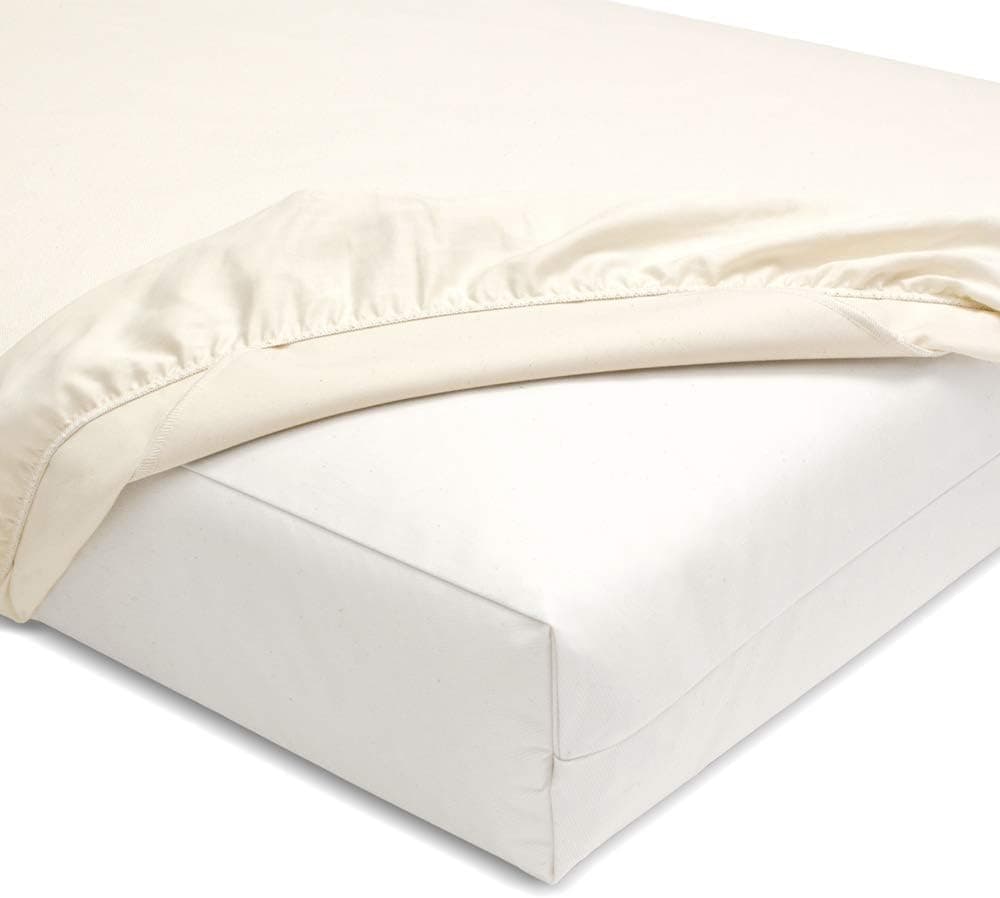
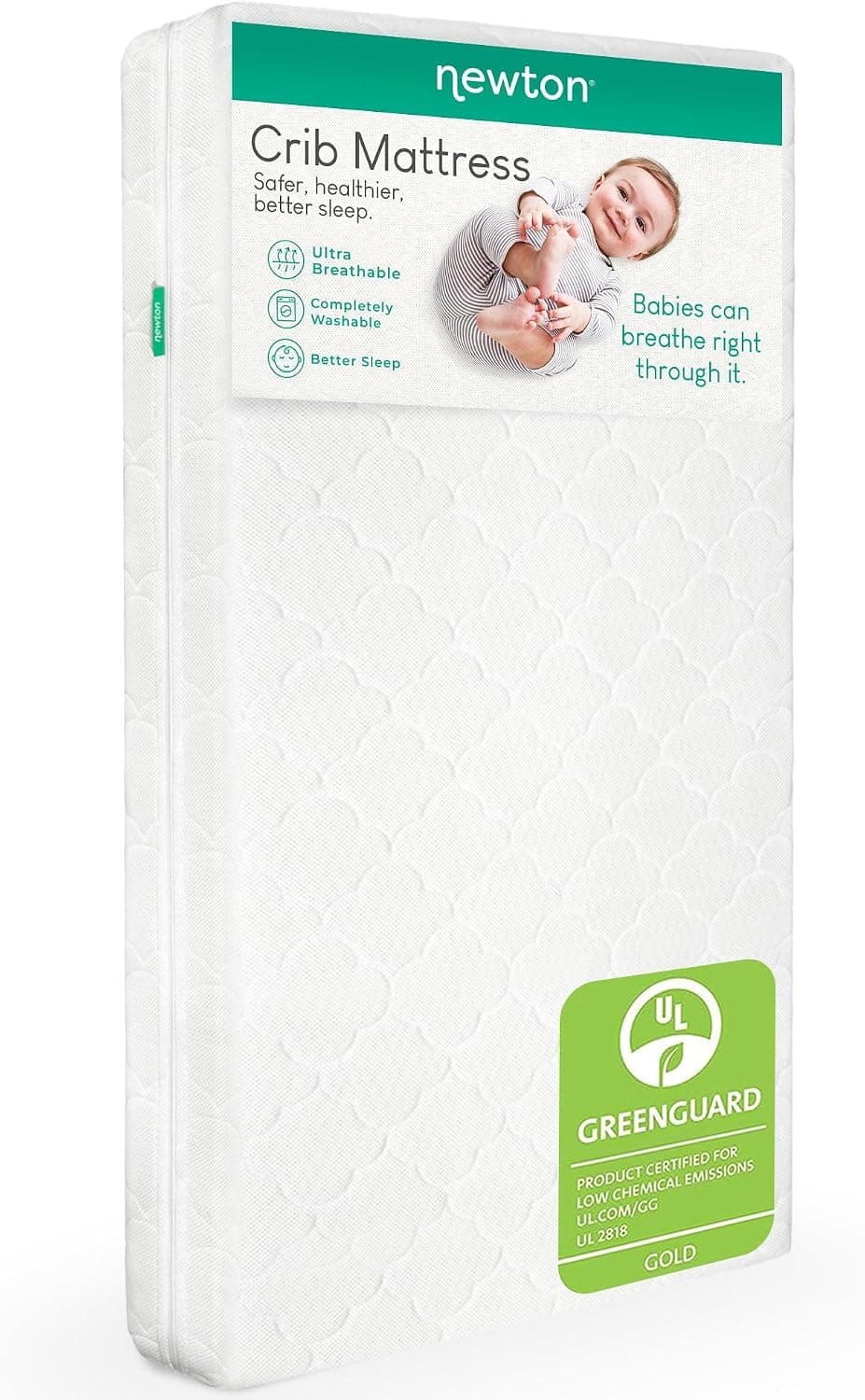
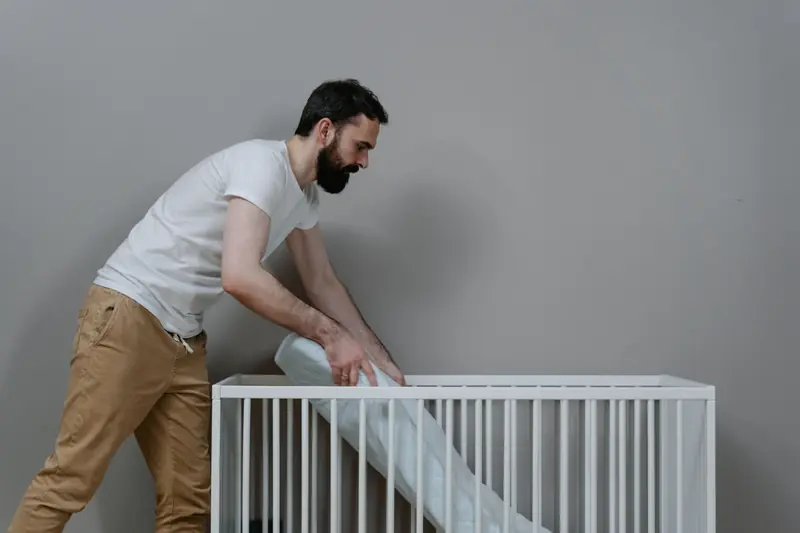
Firmness is the most important safety feature and often the most misunderstood. A crib mattress should feel firm to an adult hand, not plush or cushioned, because a soft surface can conform to a baby's face and restrict breathing. Press the center and edges; the mattress should spring back quickly and not retain the shape of your hand. What feels too firm for an adult is exactly right for an infant.
Fit is equally critical. The mattress must match the crib so there are no gaps where a baby's limbs or head could become trapped. A common test is that no more than two adult fingers should fit between the mattress edge and the crib side. Standard full-size cribs take standard mattresses, but always confirm the dimensions rather than assuming, especially with non-standard or imported cribs.
Materials come mainly in two types: foam and innerspring. Foam mattresses are lighter and often less expensive, while innerspring mattresses tend to be heavier and hold firmness well over time. Both can be safe if they are genuinely firm. Weight can matter at three in the morning when you are changing a wet sheet, so a lighter foam mattress has practical appeal for frequent handling.
Waterproofing saves a great deal of laundry and protects the mattress core. Many mattresses come with a wipeable, water-resistant cover, and a separate fitted waterproof protector adds another layer. Whatever you use, the surface under the fitted sheet must stay firm and flat, so avoid adding soft padding or extra toppers, which reintroduce the softness you are trying to avoid.
Some mattresses are dual-sided, with a firmer infant side and a slightly softer toddler side. This can extend the mattress's useful life, but the infant side must be used for the whole first year and only flipped once the child has moved past the infant stage. Check certifications for low chemical emissions if indoor air quality is a concern, and air out a new mattress before first use.
Avoid used mattresses when possible. A secondhand mattress may have lost firmness, harbored moisture or mold, or fail to meet current standards, and firmness that has degraded is not always visible. If a hand-me-down is the only option, inspect it closely for sagging, dampness, and a tight-fitting waterproof cover. For most families, a new, firm, well-fitting mattress is a worthwhile investment in safe sleep. When it arrives, take a moment before the first sleep to confirm the fitted sheet grips the corners tightly without bunching, that the surface sits level in the crib, and that the two-finger gap test passes on every side. These quick checks take only a minute and confirm that the mattress performs as safely in the crib as it did on paper.
Popular right now
- Best Bassinets for Safe Newborn Sleep Close By (2026)Buying guide
- How to Set Up a Bottle-Feeding Station in the NurseryArticle
- Best White Noise Machines for Calmer Baby Sleep (2026)Buying guide
- Best Wearable Blankets for Cozy, Blanket-Free Sleep (2026)Buying guide
- Best Crib Mobiles for Soothing Nurseries (2026)Buying guide
- Baby Clothing Size ChartArticle
Based on the last 28 days of search and visitor data.