How to Create a Portable Nursery for Holiday Travel
Published How we research

Holiday visits often mean babies sleeping in unfamiliar rooms, with noisy gatherings, different light and changed routines. Recreating key parts of your nursery at your destination helps babies settle more easily and keeps sleep spaces safe. A little planning before the trip avoids improvising with unsafe sleep setups late at night.
Products from this article
The highest-scoring picks from the buying guides this article links to. Scores are our editorial assessment, not customer ratings.
+ Portable seat gives the baby a separate spot to sit while you do chores
From our guide: Best Play Yards for Safe Play and Travel Sleep (2026)
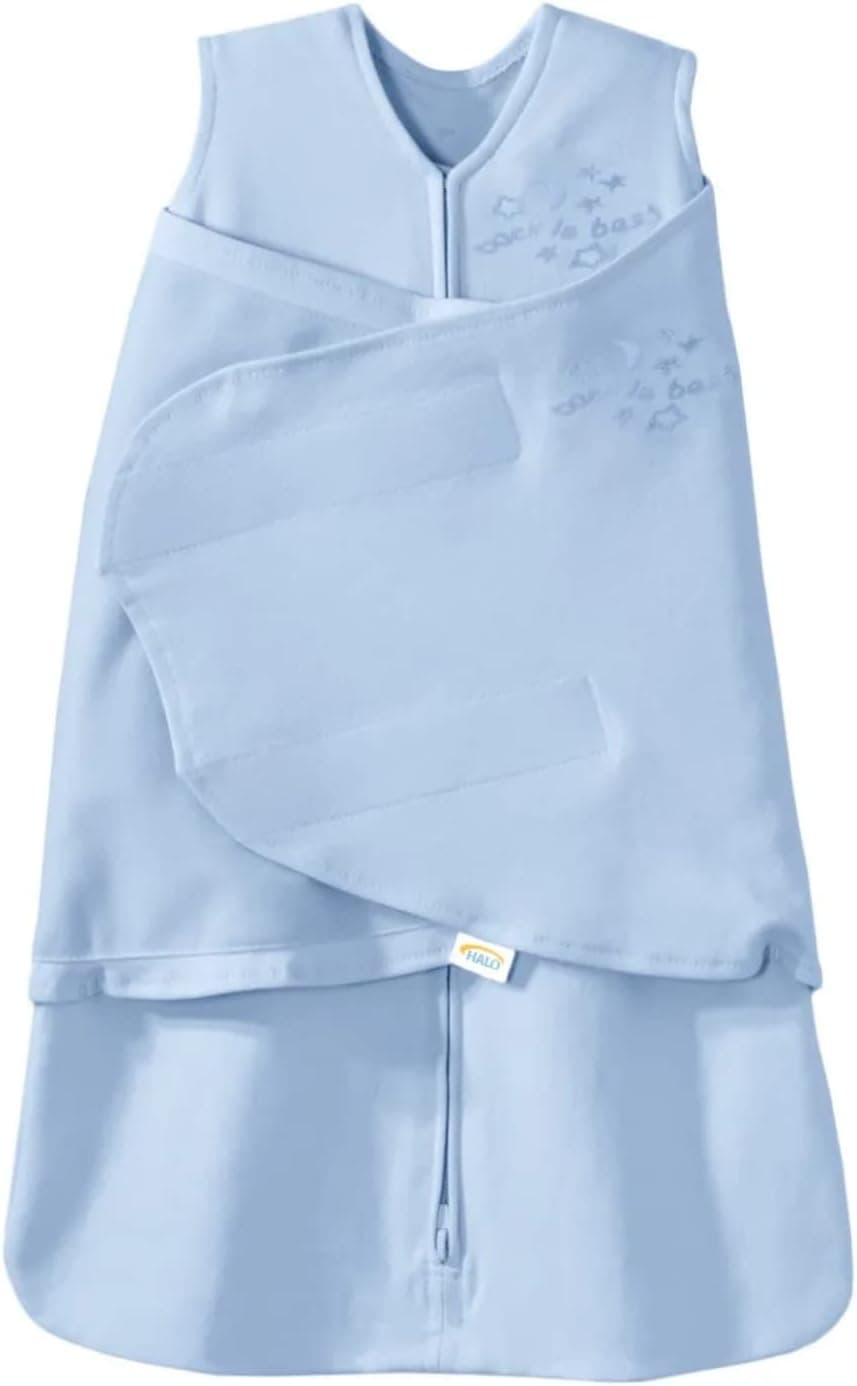
+ 3-way adjustable wrap lets you swaddle arms in, hands to face or arms out
From our guide: Best Sleep Sacks for Safe, Cozy Baby Sleep (2026)
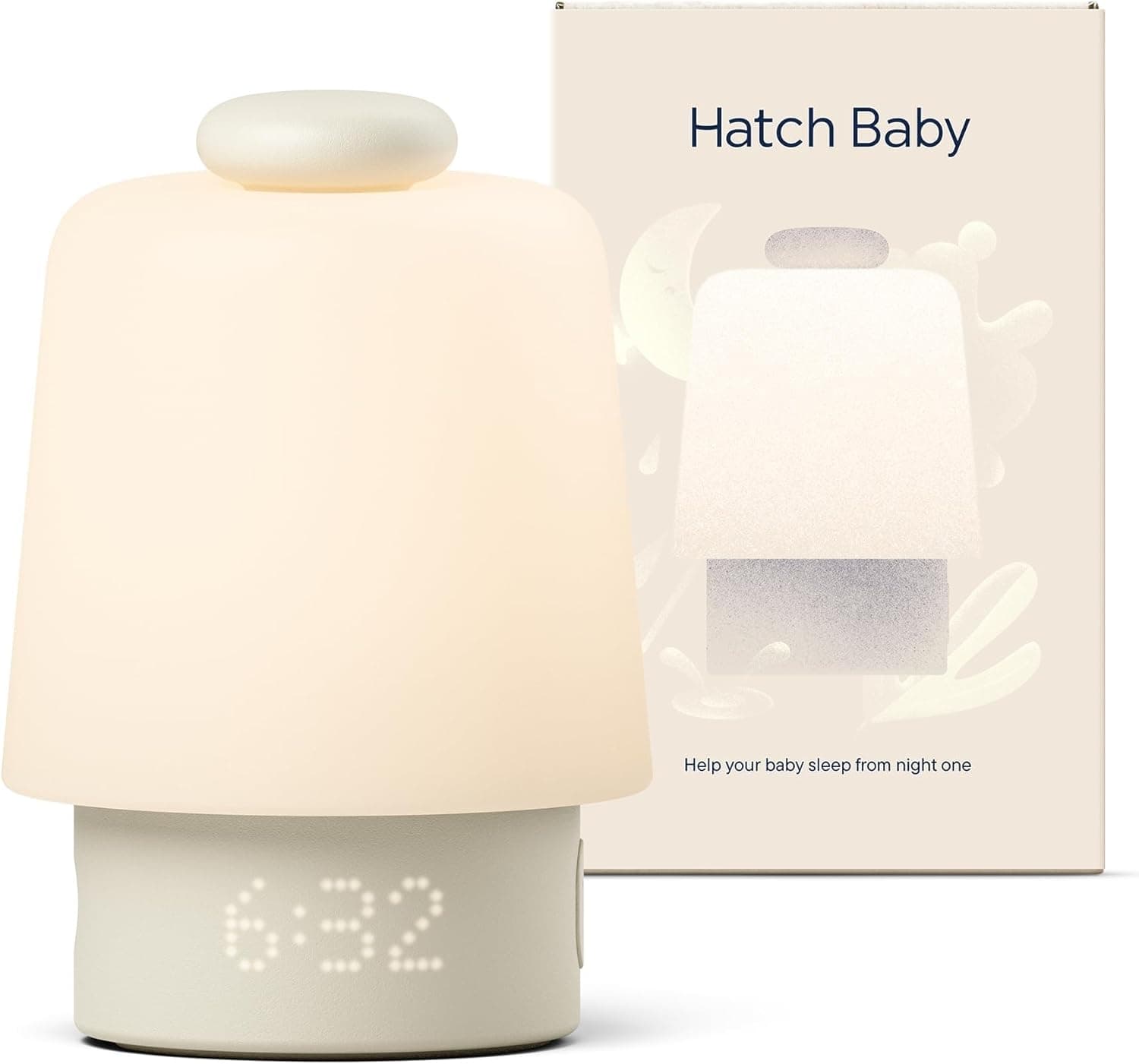
+ Time-to-rise alarm teaches toddlers when it is ok to get out of bed
From our guide: Best White Noise Machines for Calmer Baby Sleep (2026)
+ Portable changing station lets you diaper right at the playard
From our guide: Best Play Yards for Safe Play and Travel Sleep (2026)


Plan the sleep space
Ask your hosts about the room where the baby will sleep, whether it can be darkened and if a crib or play yard is available. Borrowed cribs should meet current safety standards and have a firm, fitted mattress with no gaps.
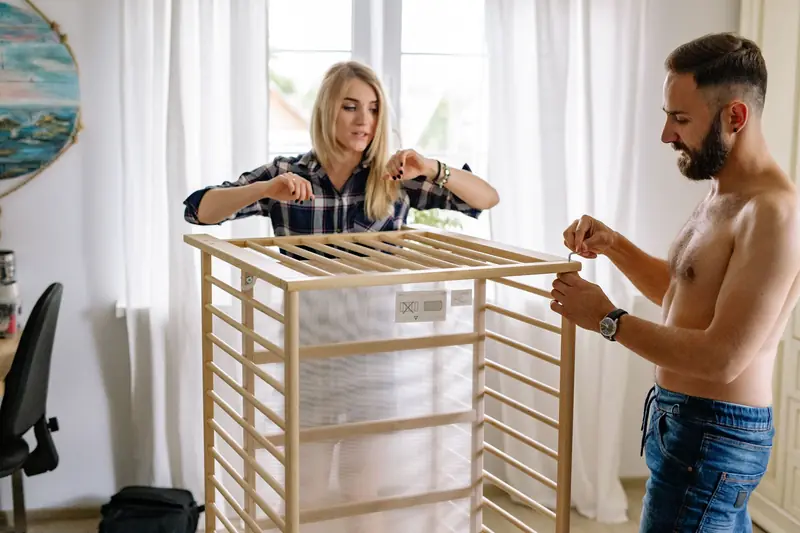
Portable play yards and travel cribs are a reliable option. Practice setting yours up at home, and bring only the fitted sheet designed for that model.
Keep safe sleep rules
The same safe sleep guidance applies when travelling: place babies on their backs on a firm, flat surface without pillows, bumpers, loose blankets or soft toys. Avoid couches, adult beds and makeshift setups.
Use wearable blankets or sleep sacks for warmth instead of loose bedding. Check that cords from blinds, monitors and chargers are out of reach of the travel crib.
Recreate familiar cues
Familiar sleep cues help babies settle. Bring the same sleep sack, a portable white noise machine and a crib sheet from home that smells familiar.
Portable blackout blinds or suction window covers darken bright rooms quickly. Keep bedtime routines similar, such as bath, feeding, story and lights out, even if timing shifts.
Manage noise and schedules
Holiday gatherings can be loud. Choose a room away from the main living area where possible, and use white noise to mask voices and doors.
Allow some flexibility with naps and bedtime, but protecting key sleep times helps prevent overtiredness. Plan outings around naps when possible.
Packing checklist
Pack a play yard with fitted sheet, sleep sacks, a portable monitor, white noise machine, blackout covers, night light, feeding essentials and a small first aid kit. Label a separate bag with bedtime essentials so it is easy to find on arrival.
Keep spare pacifiers, a change of clothes and diapers in your carry bag for delays. Check that devices are charged and bring chargers and plug adapters if travelling abroad.
Settling in after you arrive
Set up the sleep space soon after arriving rather than at bedtime, and let your baby spend some calm awake time in the room so it feels less strange. Check the room temperature, find the outlets you need for the monitor and white noise machine and walk the room at baby height for hazards like cords, medications and small objects.
Expect a night or two of lighter sleep while your baby adjusts, and try to keep your own responses consistent with home. Most babies settle more quickly when the sleep space, bedtime routine and sounds match what they are used to.
Popular right now
- Best Bassinets for Safe Newborn Sleep Close By (2026)Buying guide
- How to Set Up a Bottle-Feeding Station in the NurseryArticle
- Best White Noise Machines for Calmer Baby Sleep (2026)Buying guide
- Best Wearable Blankets for Cozy, Blanket-Free Sleep (2026)Buying guide
- Best Crib Mobiles for Soothing Nurseries (2026)Buying guide
- Baby Clothing Size ChartArticle
Based on the last 28 days of search and visitor data.