Crib vs Bassinet
Published How we research
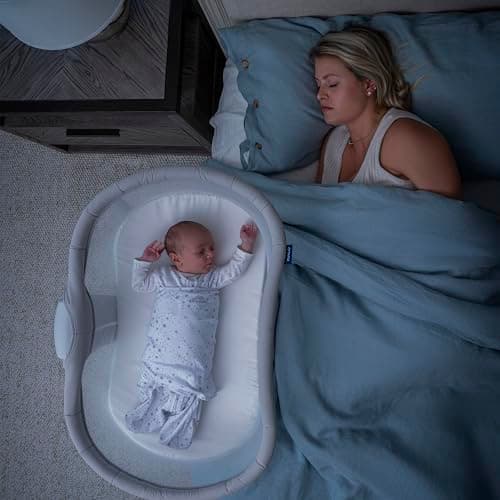
Bassinets are compact and portable, ideal for room-sharing in the newborn stage, but are outgrown within three to five months at weight limits around 15-20 pounds. A crib costs more upfront but serves for years, converting into a toddler bed later. Safety fundamentals are identical for both: a firm flat surface, a tight sheet, and nothing else in the sleep space. Small apartments favor a bassinet or portable play yard, while a dedicated nursery may only need a crib. Check secondhand options for recalls and current standards, and remember drop-side cribs are banned outright. Choosing between a crib and a bassinet is one of the first sleep decisions new parents face, and both can be safe options when they meet current standards. A bassinet is smaller, portable, and designed for the earliest months, while a crib is larger and lasts well into toddlerhood. The right pick depends on your space, budget, and how close you want the baby to sleep at first.
Products from this article
The highest-scoring picks from the buying guides this article links to. Scores are our editorial assessment, not customer ratings.
+ Swivels over the bed with a lowering wall, so night feeds and c-section recovery need less bending and twisting.
From our guide: Best Bassinets for Safe Newborn Sleep Close By (2026)
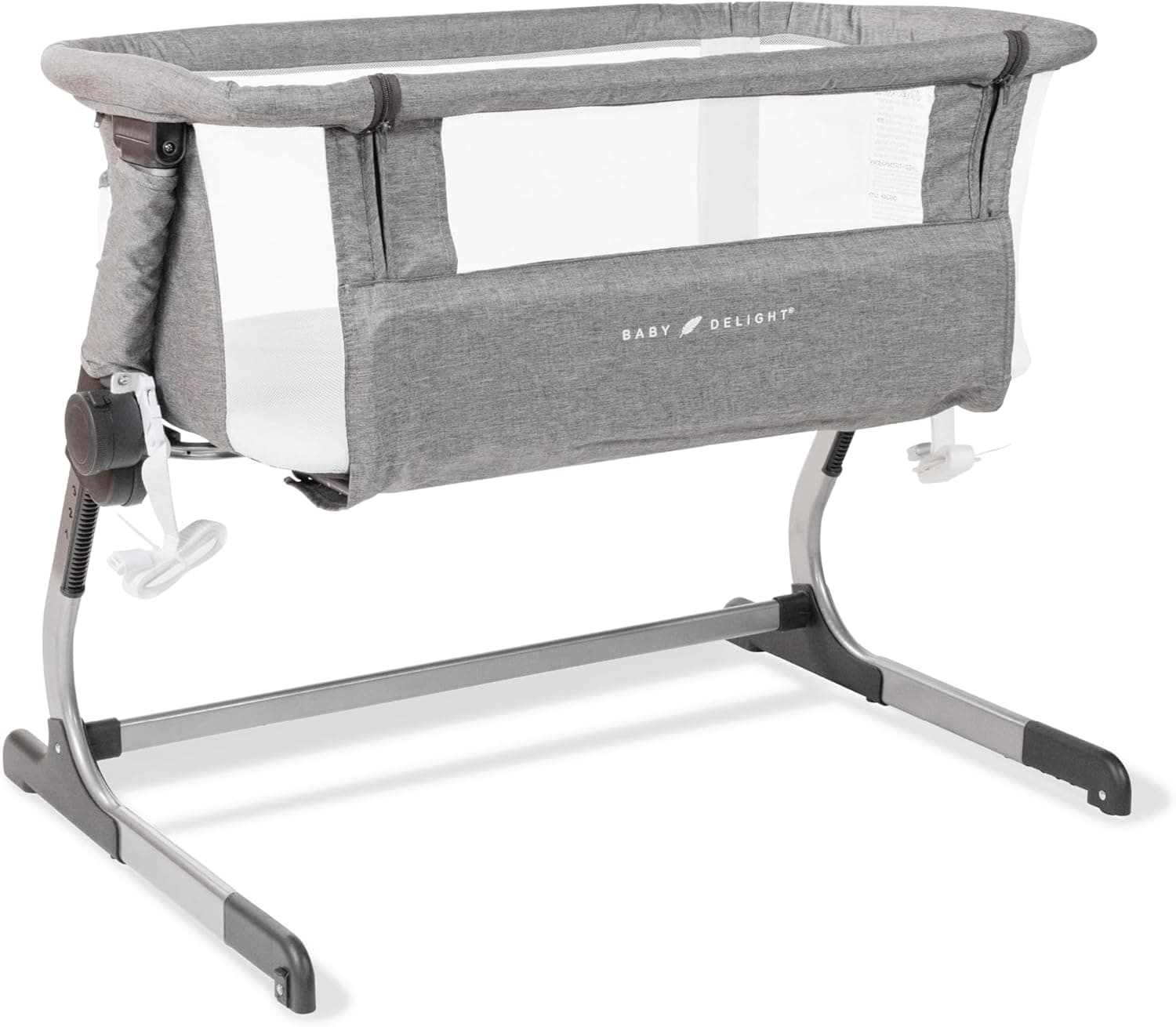
+ 7-position height range covers a wider spread of bed heights than most
From our guide: Best Bedside Sleepers for Safe Co-Sleeping in 2026
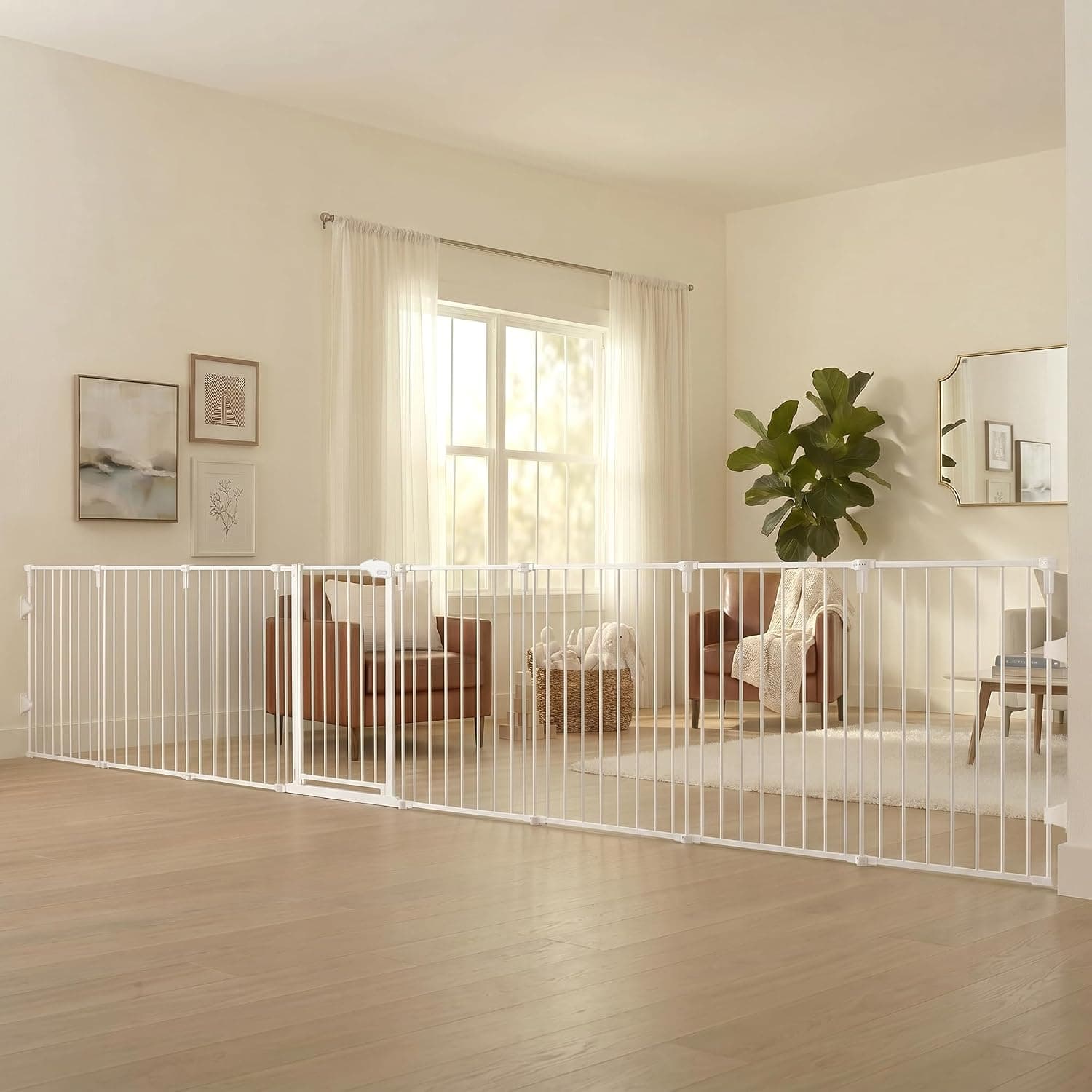
+ 24"-192" range spans extra wide openings that standard gates cannot
From our guide: Best Baby Gates for a Safer Home (2026)
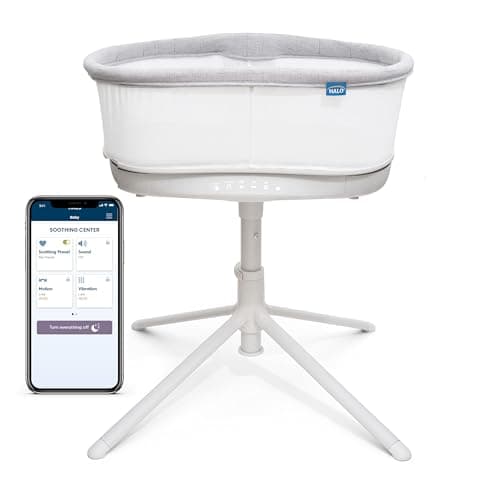
+ AutoSoothe responds to cries with rocking, vibration and sounds, and the listing offers hundreds of combinations.
From our guide: Best Bassinets for Safe Newborn Sleep Close By (2026)
Bassinets shine in the newborn stage
Bassinets shine in the newborn stage. Their compact size lets them fit beside an adult bed, which supports the recommendation to room-share, keeping the baby in the parents' room but on a separate sleep surface for at least the first several months. This proximity makes nighttime feedings and checks easier. The tradeoff is a short lifespan, since most bassinets have weight limits around 15 to 20 pounds and are outgrown within three to five months.
A crib costs more upfront but serves for years
A crib costs more upfront but serves for years. A full-size crib with a firm mattress can take a child from birth through the toddler transition, and many convert into toddler beds. If budget is a concern, buying a crib first and skipping the bassinet is a reasonable choice, though it means the baby sleeps in a larger room or the crib is placed in the parents' room if space allows.
Safety fundamentals are the same for both
Safety fundamentals are the same for both. The sleep surface must be firm and flat, fitted with only a tight sheet, and free of pillows, blankets, bumpers, and toys. Babies should always be placed on their backs to sleep. Avoid inclined sleepers and any product not specifically designed and certified for infant sleep, since incline and soft bedding both raise suffocation risk.
Space and lifestyle often decide the matter
Space and lifestyle often decide the matter. Small apartments and frequent room-to-room movement favor a bassinet or a portable play yard with a bassinet level. Homes with a dedicated nursery from day one may do fine with just a crib. Some families use both: a bassinet in the bedroom for the first months, then a transition to the crib in the nursery once the baby outgrows the smaller space.
Consider secondhand options carefully
Consider secondhand options carefully. A hand-me-down crib can be safe if it meets current standards, has no recalls, and includes all original hardware, but drop-side cribs sold years ago are banned and should never be used. Bassinets should likewise be checked for recalls and structural soundness. When in doubt, a new certified product removes the guesswork.
There is no single correct answer
There is no single correct answer. A bassinet offers convenience and closeness early on, while a crib offers longevity and value over time. Deciding which matters more to your household, and whether your budget stretches to both, will point you to the right starting point. Either way, a firm flat surface and a bare sleep space are what keep the baby safe.
Frequently asked questions
How long can a baby use a bassinet before switching to a crib? Most bassinets have weight limits around 15 to 20 pounds and are outgrown within three to five months, or sooner if the baby starts pushing up or rolling.
Is it safe to use a secondhand crib? A hand-me-down crib can be safe if it meets current standards, has no recalls, and includes all original hardware, but drop-side cribs sold years ago are banned and should never be used.
Do I need both a bassinet and a crib? Not necessarily; some families use a bassinet in the bedroom for the first months then transition to a crib in the nursery, while others buy just a crib from the start to save money.
What sleep surface safety rules apply to both cribs and bassinets? The sleep surface must be firm and flat, fitted with only a tight sheet, free of pillows, blankets, bumpers, and toys, with the baby always placed on their back to sleep.
Popular right now
- Best Bassinets for Safe Newborn Sleep Close By (2026)Buying guide
- How to Set Up a Bottle-Feeding Station in the NurseryArticle
- Best White Noise Machines for Calmer Baby Sleep (2026)Buying guide
- Best Wearable Blankets for Cozy, Blanket-Free Sleep (2026)Buying guide
- Best Crib Mobiles for Soothing Nurseries (2026)Buying guide
- Baby Clothing Size ChartArticle
Based on the last 28 days of search and visitor data.