How to Choose Nursery Lighting for Sleep and Night Care
Published How we research
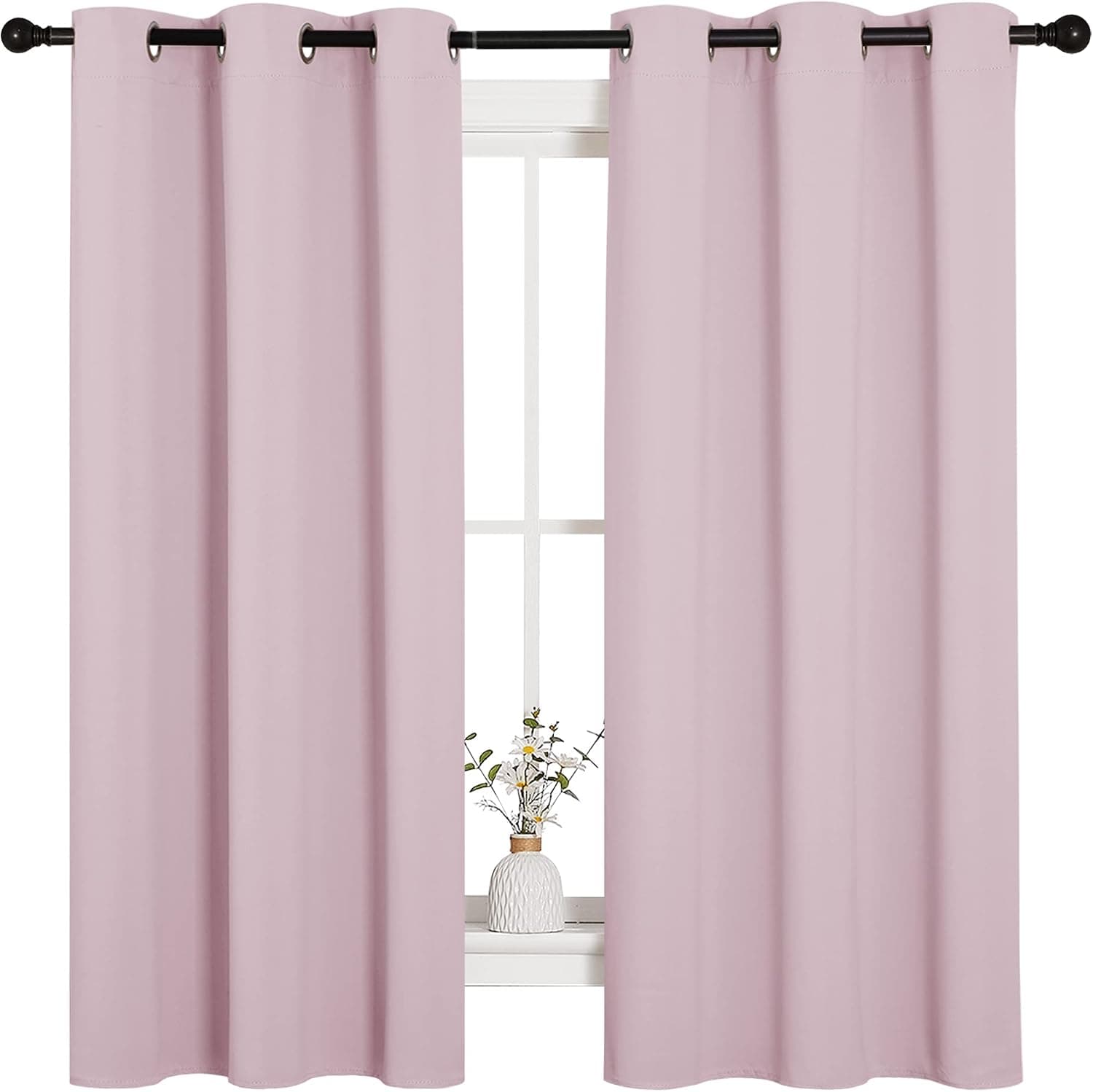
Lighting shapes how a nursery feels and functions, affecting both the baby's sleep and the caregiver's ability to handle night wakings without fully rousing everyone. The best approach layers different light sources so the room can be bright for play, dim for feeds, and dark for sleep. Planning these layers makes the room adaptable to the whole daily rhythm.
Products from this article
The highest-scoring picks from the buying guides this article links to. Scores are our editorial assessment, not customer ratings.
+ Black liner is what gives full light blocking despite the white front
From our guide: Best Blackout Curtains for Darker Naps and Longer Sleep (2026)
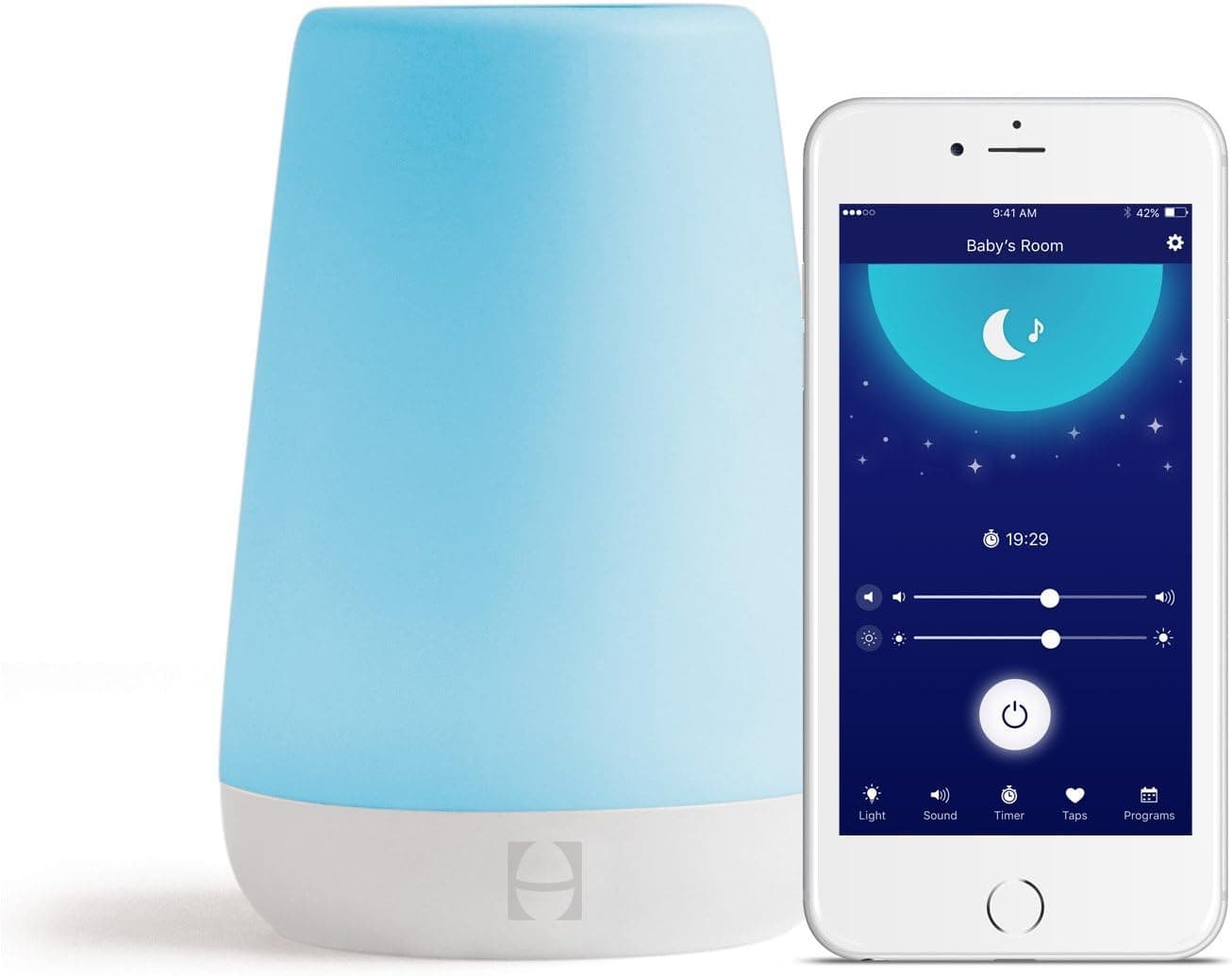
+ Nursery stories feature adds bedtime content beyond sound and light
From our guide: Best Night Lights for Gentle, Sleep-Friendly Nurseries (2026)
+ 3-way adjustable wrap lets you swaddle arms in, hands to face or arms out
From our guide: Best Wearable Blankets for Cozy, Blanket-Free Sleep (2026)
+ Blackout fabric darkens the nursery for daytime naps
From our guide: Best Blackout Curtains for Darker Naps and Longer Sleep (2026)
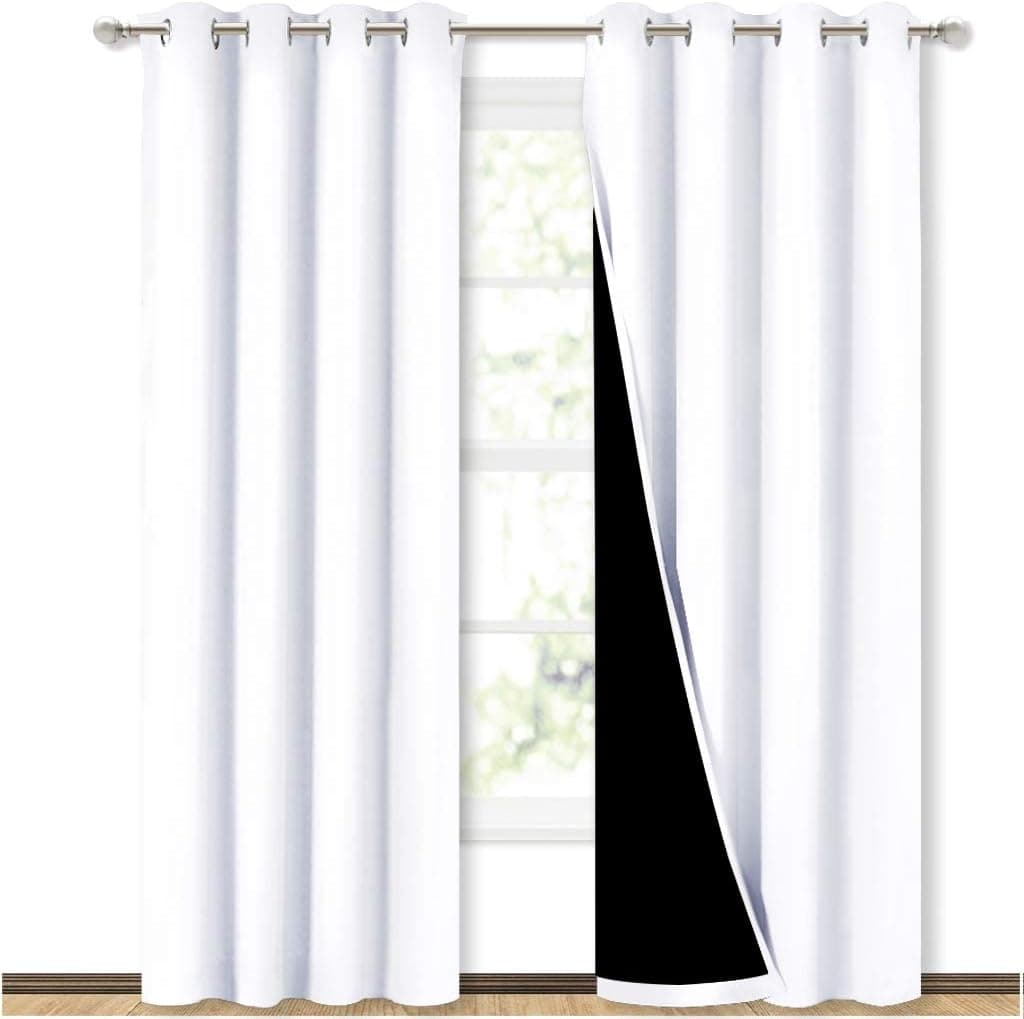


Start with the darkness. For a baby to sleep well, especially for daytime naps, the room needs to get genuinely dark, which usually means blackout curtains or blinds. Light exposure affects sleep patterns, and a dark room supports longer, more settled sleep. Blackout window coverings are one of the highest-impact additions to a nursery, and they help maintain naps as the days grow longer.
Add a soft, dim light for night care. A lamp with a dimmer or a low-wattage bulb lets you change a diaper or feed without the jarring brightness of an overhead light, which can wake a baby fully and make resettling harder. Warm-toned, low light is gentler on both baby and caregiver at night. Position it near the changing area and the feeding chair where the light is most needed.
A night-light provides a low, constant glow for moving safely around the room. Choose a warm color rather than a bright blue-white one, since warmer light is less stimulating and less likely to disrupt sleep signals. A dim night-light near the door or changing area helps caregivers navigate without switching on a main light, and it can offer reassurance as the child grows older.
Keep general lighting flexible for daytime. An overhead fixture or a brighter lamp is useful for playtime, tidying, and getting dressed. A dimmer switch on the main light is a worthwhile upgrade, letting one fixture serve both bright and gentle needs. The ability to adjust brightness through the day, bright for activity, dim for winding down, supports a healthy sleep and wake rhythm.
Mind safety with every light source. Keep lamp cords well away from the crib and secured so they cannot be pulled or reached, and avoid placing any light with a cord within a baby's grasp. Choose bulbs that stay cool to the touch where possible, and keep floor lamps stable or anchored so an active baby cannot pull them over. Cordless, battery, or hardwired options reduce cord hazards.
Bring the layers together to match the day. Bright light for waking and play, dimmable light for feeds and changes, a warm night-light for navigation, and full darkness for sleep give the room a setting for every moment. This layered approach costs little to plan and makes both the baby's sleep and the caregiver's night routine noticeably easier, turning lighting into a quiet but powerful part of the nursery.
Popular right now
- Best Bassinets for Safe Newborn Sleep Close By (2026)Buying guide
- How to Set Up a Bottle-Feeding Station in the NurseryArticle
- Best White Noise Machines for Calmer Baby Sleep (2026)Buying guide
- Best Wearable Blankets for Cozy, Blanket-Free Sleep (2026)Buying guide
- Best Crib Mobiles for Soothing Nurseries (2026)Buying guide
- Baby Clothing Size ChartArticle
Based on the last 28 days of search and visitor data.