Breastfeeding Gear Worth Setting Up in Your Nursery
Published How we research
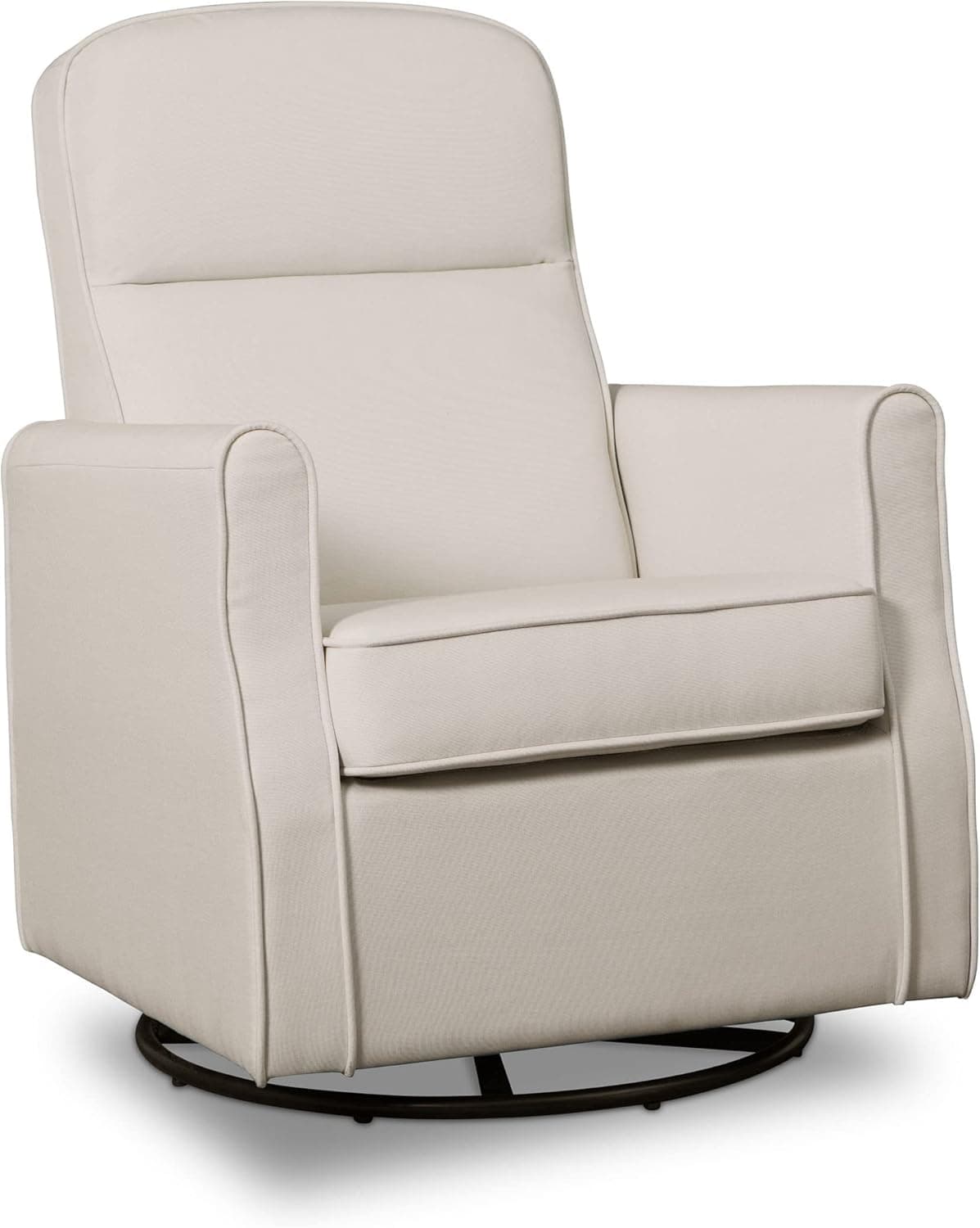
Breastfeeding needs far less equipment than marketing suggests, but a few well-chosen items make the nursery a comfortable place to feed. The core requirement is a supportive spot to sit for long stretches, since early feeding sessions can be frequent and lengthy. Everything else supports comfort, positioning, and, for many parents, pumping and storing milk.
Products from this article
The highest-scoring picks from the buying guides this article links to. Scores are our editorial assessment, not customer ratings.
+ Power recline adjusts at the push of a button while holding a baby
From our guide: Best Nursery Gliders for Comfortable Feeding Nights (2026)
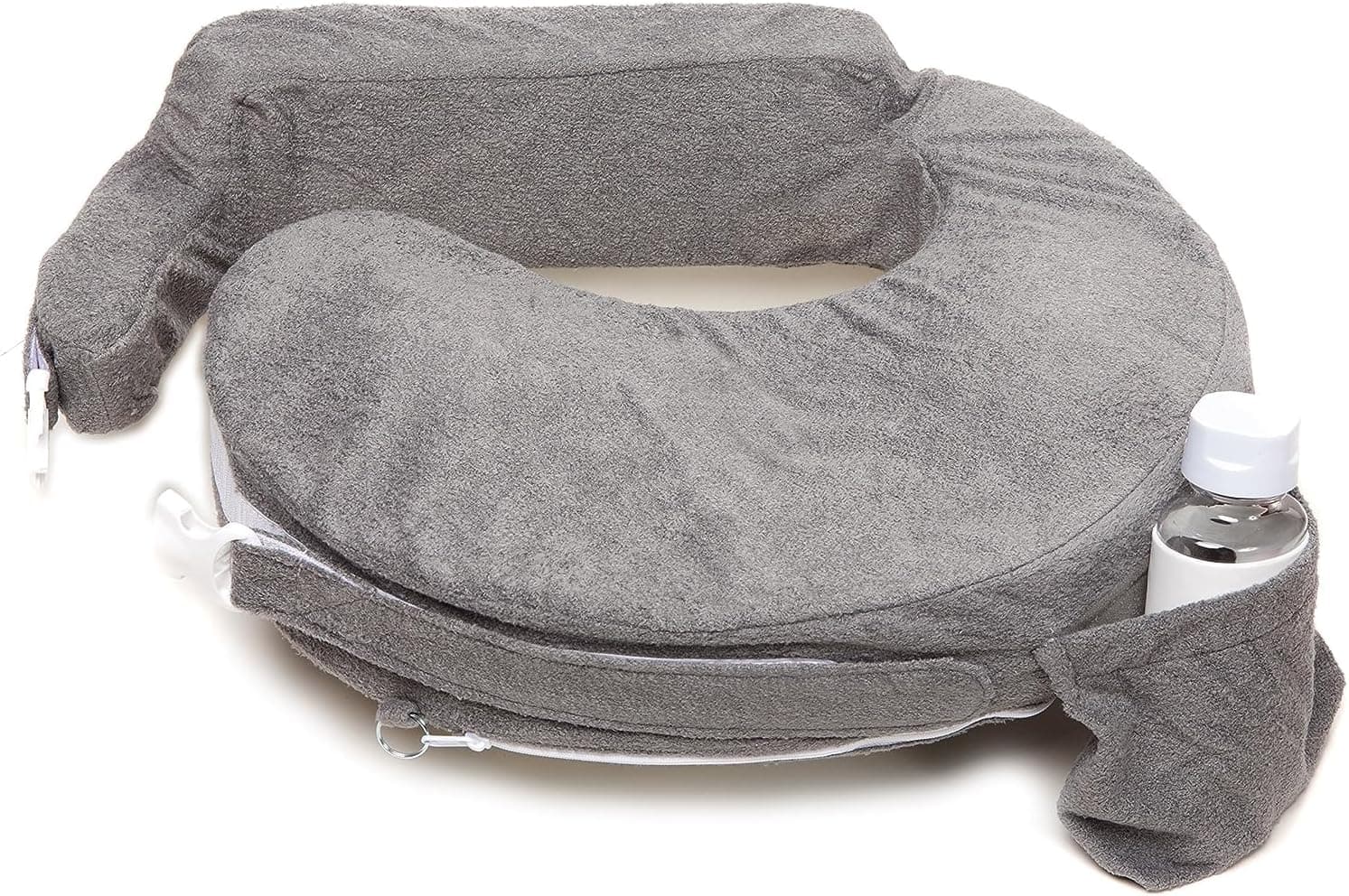
+ Wraparound design stays in place better than loose U-shaped pillows
From our guide: Best Nursing Pillows for Supported, Comfortable Feeds (2026)
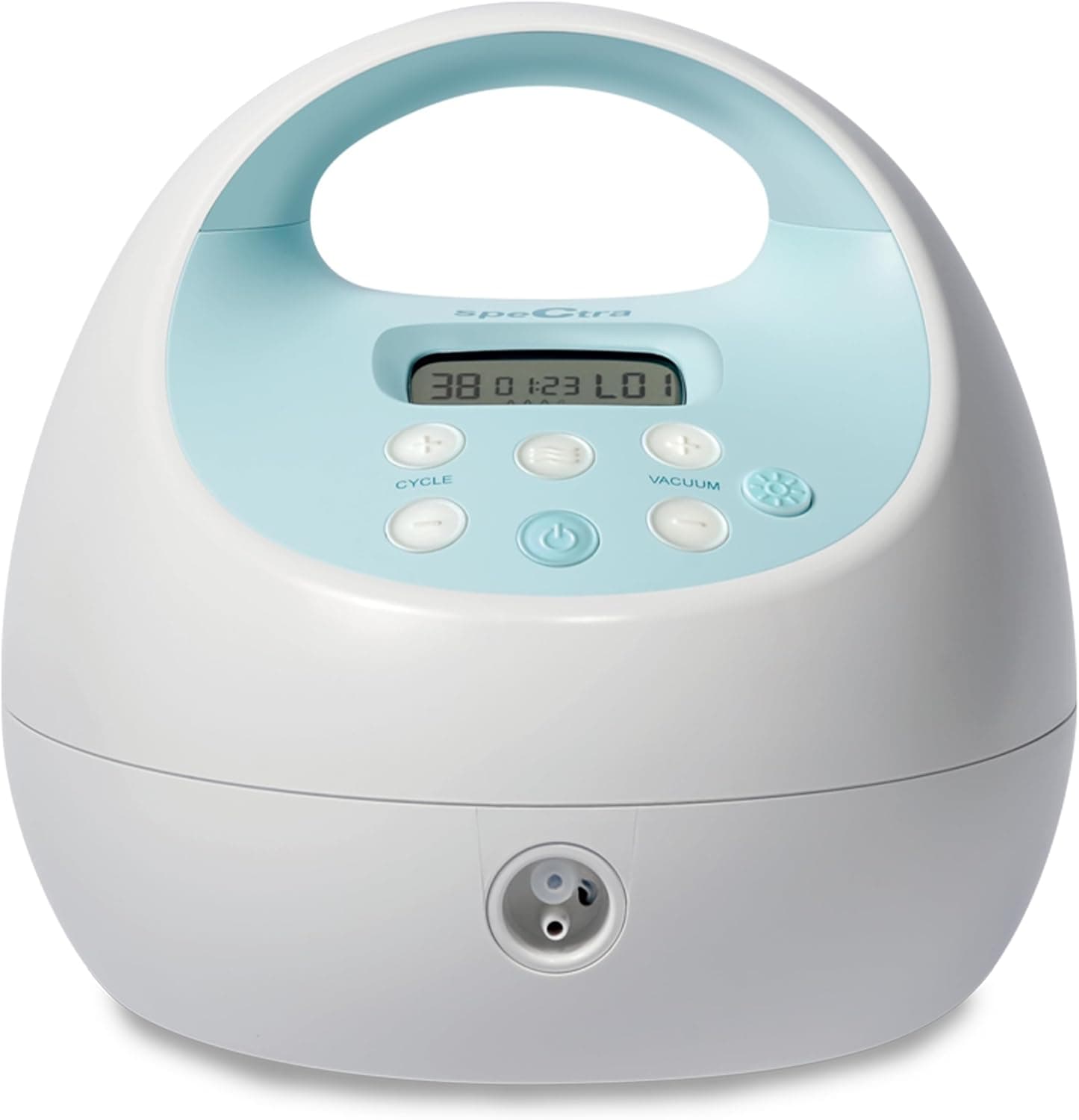
+ Rechargeable battery lets you pump away from wall outlets
From our guide: Best Breast Pumps for Flexible, Comfortable Pumping (2026)
+ USB ports keep a phone or white noise device charged within reach
From our guide: Best Nursery Gliders for Comfortable Feeding Nights (2026)
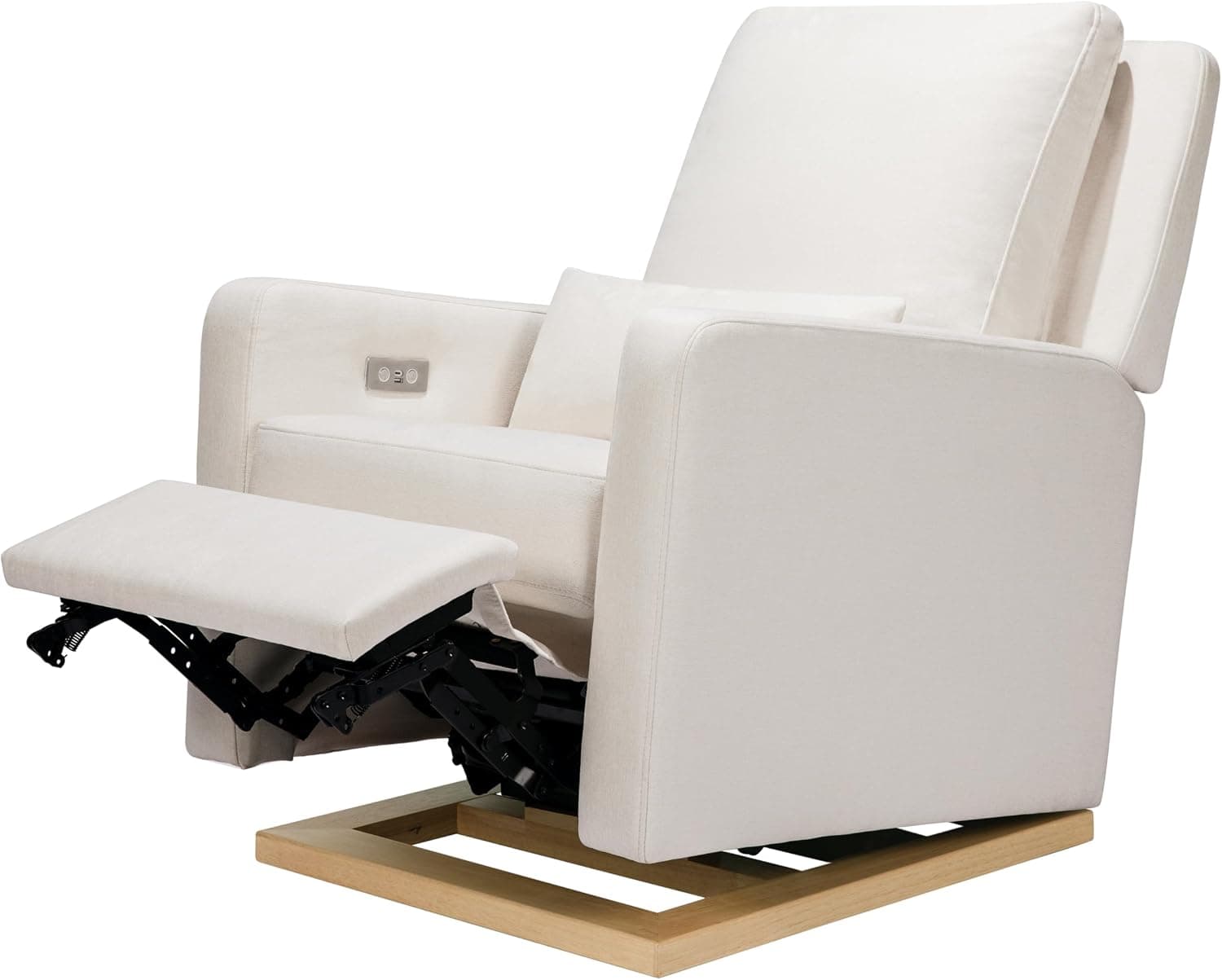
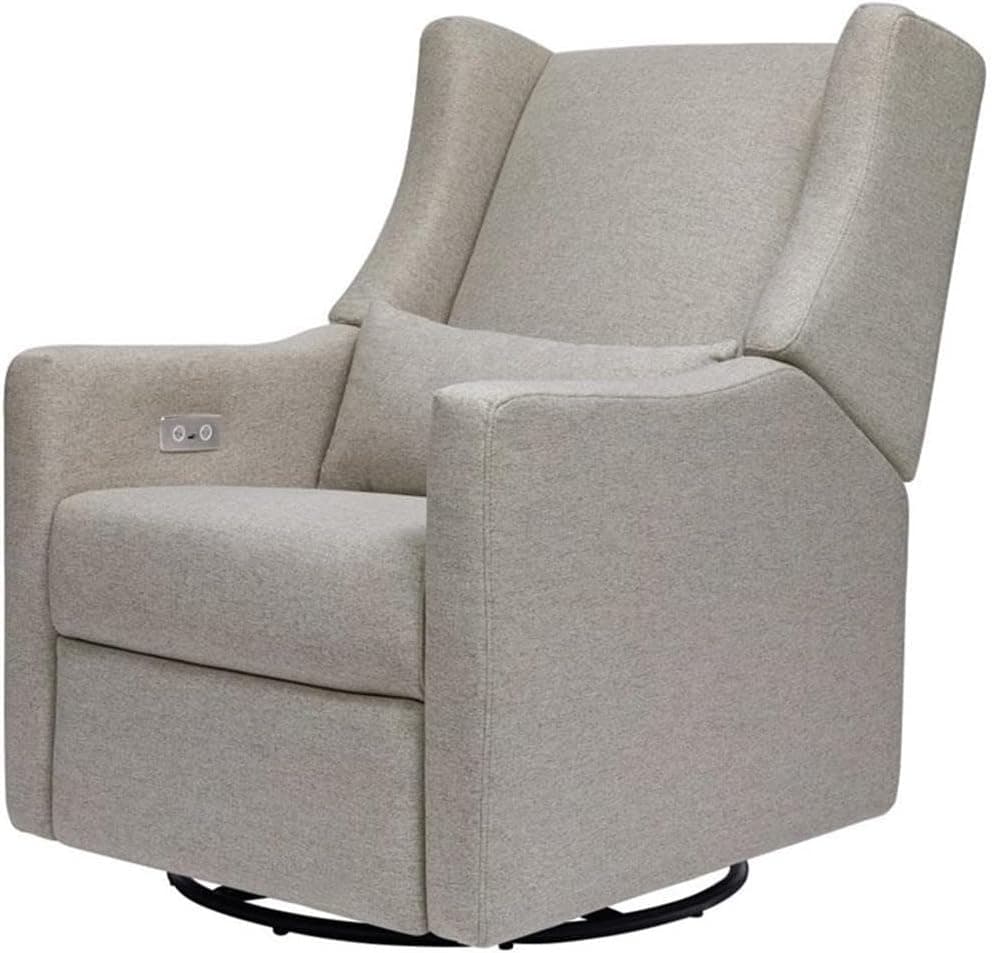

Seating comes first. A chair with good back support and armrests at the right height reduces strain during feeds that can last twenty minutes or more. A glider or rocker adds gentle motion that some babies find soothing, though a sturdy armchair works just as well. A footstool or ottoman helps bring the baby to the right height and takes pressure off the lower back and shoulders.
A nursing pillow can ease the load on your arms by supporting the baby at breast height. Positioning the baby well matters more than any single product, so use whatever helps you bring the baby to the breast rather than hunching down to the baby. Some parents find firm cushions from around the house do the job. Keep a small side table nearby for water, since nursing parents get thirsty, along with a burp cloth and phone.
For those who pump, set up a dedicated spot with the pump, spare parts, and cleaning supplies. A double electric pump saves time for parents returning to work, while a manual pump suits occasional use. Keep flanges in the correct size, since a poor fit causes discomfort and reduces output, and have backup membranes and valves on hand because these small parts wear out and are easy to misplace.
Milk storage deserves a clear system. Store expressed milk in clean bottles or bags labeled with the date, and follow current guidance on timing: freshly pumped milk keeps for several hours at room temperature, several days in the refrigerator, and months in the freezer. Use the oldest milk first, and thaw in the refrigerator or under warm water rather than a microwave, which heats unevenly and can destroy beneficial components.
Comfort items help with the physical side of feeding. Breast pads manage leaks, a supportive nursing bra allows easy access, and nipple cream can soothe soreness in the early weeks. Persistent pain is not a normal part of feeding and usually signals a latch or positioning issue, so it is worth seeking help from a lactation consultant rather than pushing through.
Keep the setup simple at first and add items as real needs appear. Many parents find they use only a fraction of what they bought in advance. A comfortable chair, good light for night feeds, water within reach, and a calm corner do more for the experience than a cabinet full of gadgets. The nursery should make feeding easier, not busier.
Popular right now
- Best Bassinets for Safe Newborn Sleep Close By (2026)Buying guide
- How to Set Up a Bottle-Feeding Station in the NurseryArticle
- Best White Noise Machines for Calmer Baby Sleep (2026)Buying guide
- Best Wearable Blankets for Cozy, Blanket-Free Sleep (2026)Buying guide
- Best Crib Mobiles for Soothing Nurseries (2026)Buying guide
- Baby Clothing Size ChartArticle
Based on the last 28 days of search and visitor data.