How to Baby-Proof the Nursery Before Your Baby Moves
Published How we research
Baby-proofing the nursery is easiest to do before the baby arrives, even though the real risks appear later when the child starts to roll, crawl, and pull to standing. Installing safety measures early means they are already in place when development speeds up, which often catches parents by surprise. A methodical pass through the room now prevents a rushed scramble later.
Products from this article
The highest-scoring picks from the buying guides this article links to. Scores are our editorial assessment, not customer ratings.
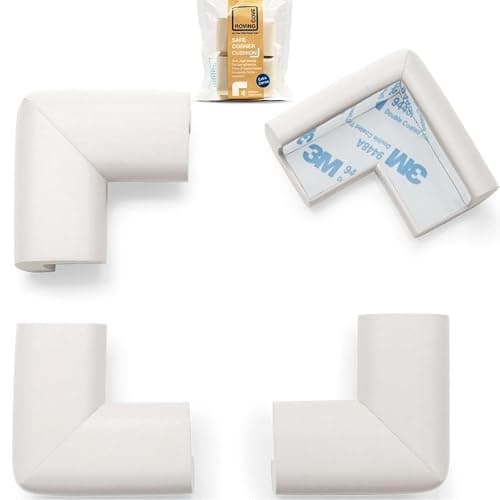
+ Ultra clear design blends into furniture
From our guide: Best Corner Guards for Baby Proofing
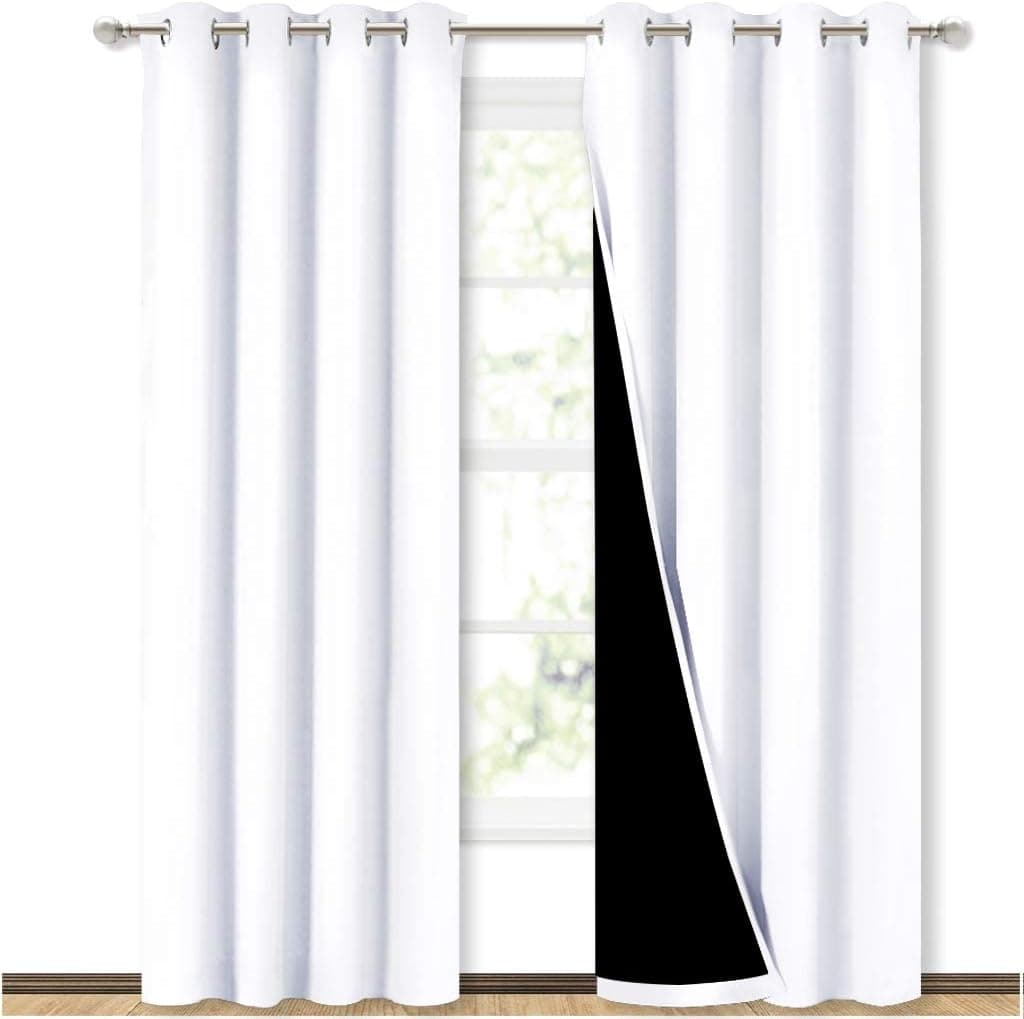
+ Black liner is what gives full light blocking despite the white front
From our guide: Best Blackout Curtains for Darker Naps and Longer Sleep (2026)
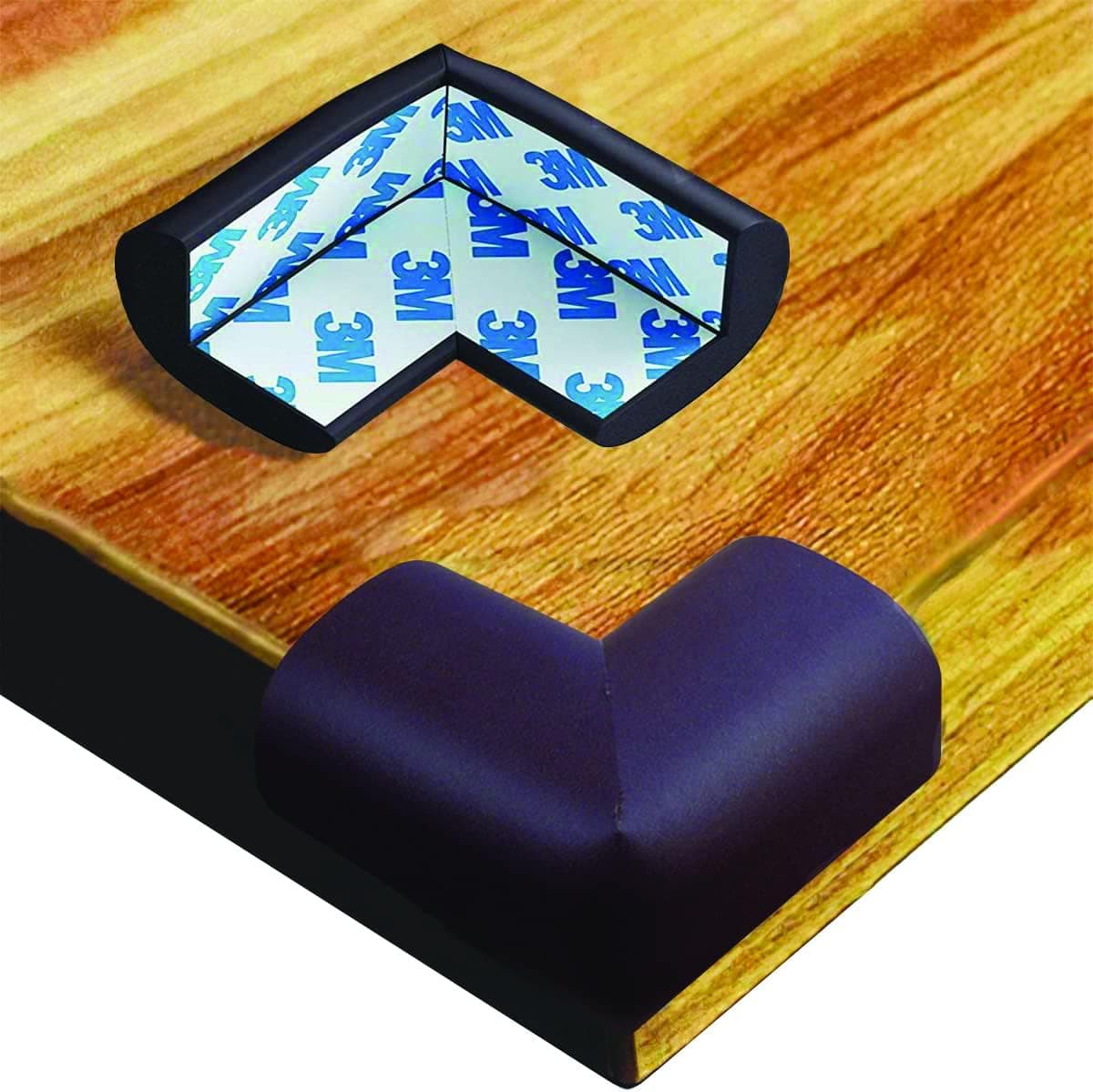
+ Brown color blends with wood furniture better than clear guards
From our guide: Best Corner Guards for Baby Proofing
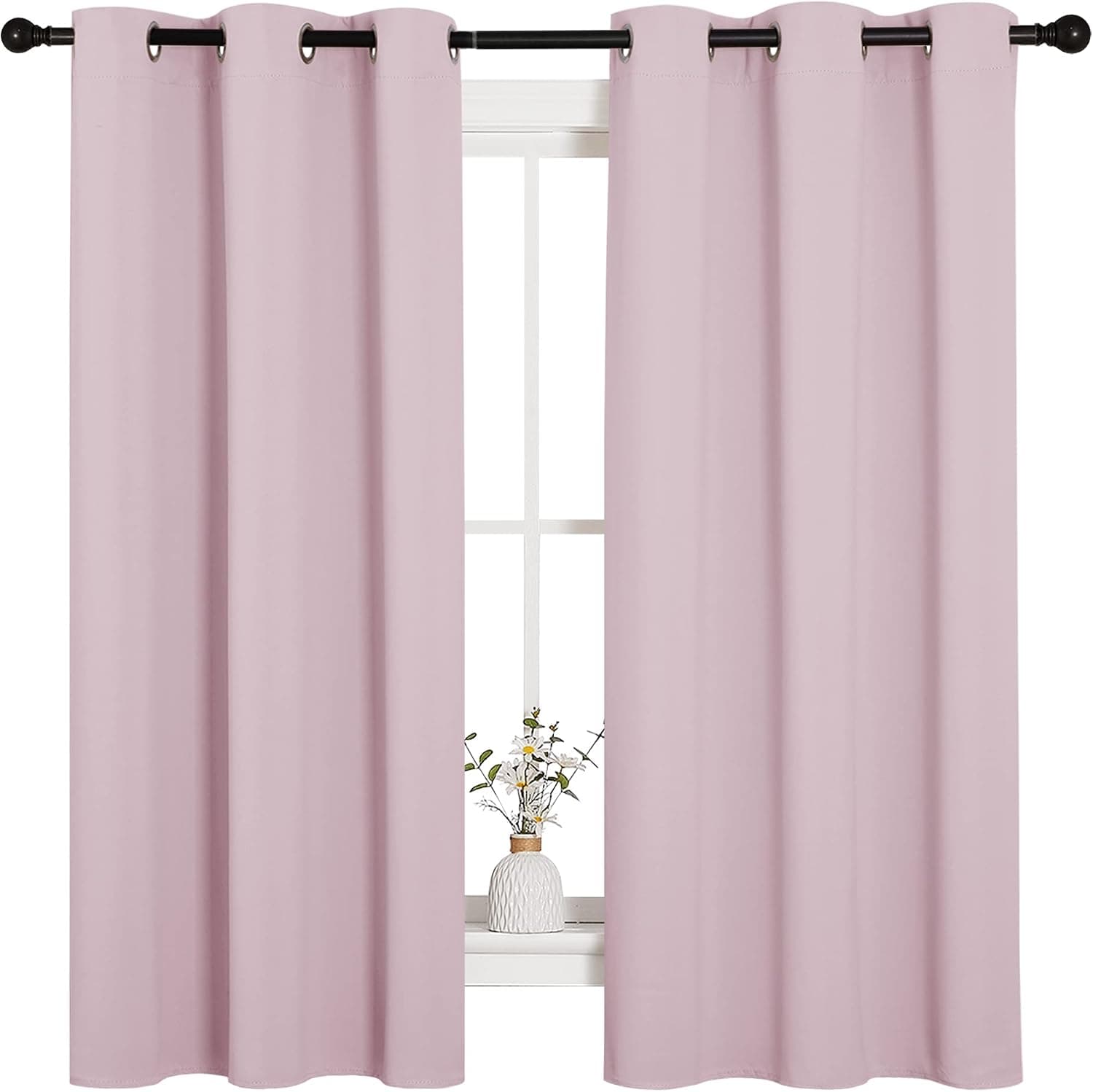
+ Blackout fabric darkens the nursery for daytime naps
From our guide: Best Blackout Curtains for Darker Naps and Longer Sleep (2026)


Furniture tip-overs are among the most serious nursery hazards. Anchor every dresser, bookcase, and tall shelf to the wall with anti-tip straps or brackets, because a curious child will eventually climb or pull on drawers. Open drawers can turn a dresser into a ladder that topples forward. Place heavier items in lower drawers to keep the center of gravity low, and never rely on the furniture's weight alone.
Cords are a second major concern. Window blind and curtain cords are a strangulation risk and should be cordless or fitted with cord cleats that keep them well out of reach. Keep the crib and any furniture a child could climb away from windows. Secure electrical cords from lamps and monitors so they cannot be pulled or wrapped, and never place a monitor cord within reach of the crib.
Address the crib itself. Once the baby can push up on hands and knees, remove any mobiles or hanging toys, and lower the mattress to its lowest position before the baby can pull to standing. Keep the crib clear of anything soft, and make sure nothing a child could use as a foothold sits nearby. The area around the crib should be as bare as the crib.
Cover outlets and manage small hazards. Use outlet covers or safety plates on unused sockets, and keep small objects, batteries, and cosmetics well out of reach, since anything that fits through a toilet paper tube is a choking risk. Store diaper creams, powders, and any medications in a latched or high location. Check the floor regularly for small items once the baby is mobile.
Look at the room from the baby's level. Getting down on the floor reveals hazards that are invisible from standing height, such as reachable cords, sharp furniture corners, and gaps where small hands can get stuck. Corner guards soften sharp edges, and doorstops prevent pinched fingers. This ground-level check is the most reliable way to catch what a walkthrough misses.
Revisit the room as the baby grows. Baby-proofing is not a one-time event, because each new skill unlocks new risks. A newborn cannot reach a cord, but a nine-month-old can, and a toddler can climb. Scheduling a quick reassessment every couple of months keeps the nursery matched to the child's abilities. Building these habits early makes the whole first years safer with far less last-minute stress.
Popular right now
- Best Bassinets for Safe Newborn Sleep Close By (2026)Buying guide
- How to Set Up a Bottle-Feeding Station in the NurseryArticle
- Best White Noise Machines for Calmer Baby Sleep (2026)Buying guide
- Best Wearable Blankets for Cozy, Blanket-Free Sleep (2026)Buying guide
- Best Crib Mobiles for Soothing Nurseries (2026)Buying guide
- Baby Clothing Size ChartArticle
Based on the last 28 days of search and visitor data.