A Simple Guide to Swaddling Your Newborn Safely at Home
Published How we research

Swaddling wraps a newborn snugly in a thin blanket, mimicking the closeness of the womb and calming the startle reflex that often wakes young babies. Done correctly, it can help some infants settle and sleep, but it must be done safely and stopped at the right time. Understanding both the technique and the limits keeps swaddling helpful rather than hazardous.
Products from this article
The highest-scoring picks from the buying guides this article links to. Scores are our editorial assessment, not customer ratings.
+ Bottom zipper allows diaper changes without unwrapping
From our guide: Best Swaddle Blankets for Snug, Safe Newborn Sleep (2026)
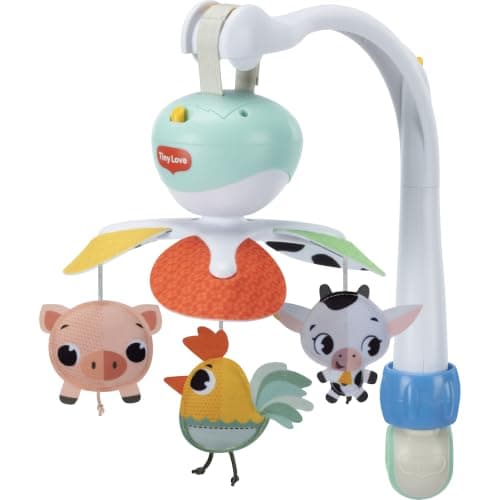
+ Three attachment options: a mobile arm for the crib, an adjustable clip for strollers and bassinets, and a hook-and-loop fastener.
From our guide: Best Crib Mobiles for Soothing Nurseries (2026)
+ Breathable muslin works as a swaddle, burp cloth or stroller cover
From our guide: Best Swaddle Blankets for Snug, Safe Newborn Sleep (2026)
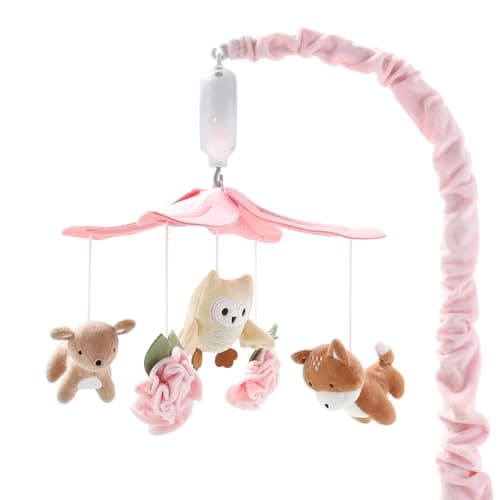
+ Digital music box offers 12 lullabies with volume control, so you are not stuck with a single tune.
From our guide: Best Crib Mobiles for Soothing Nurseries (2026)
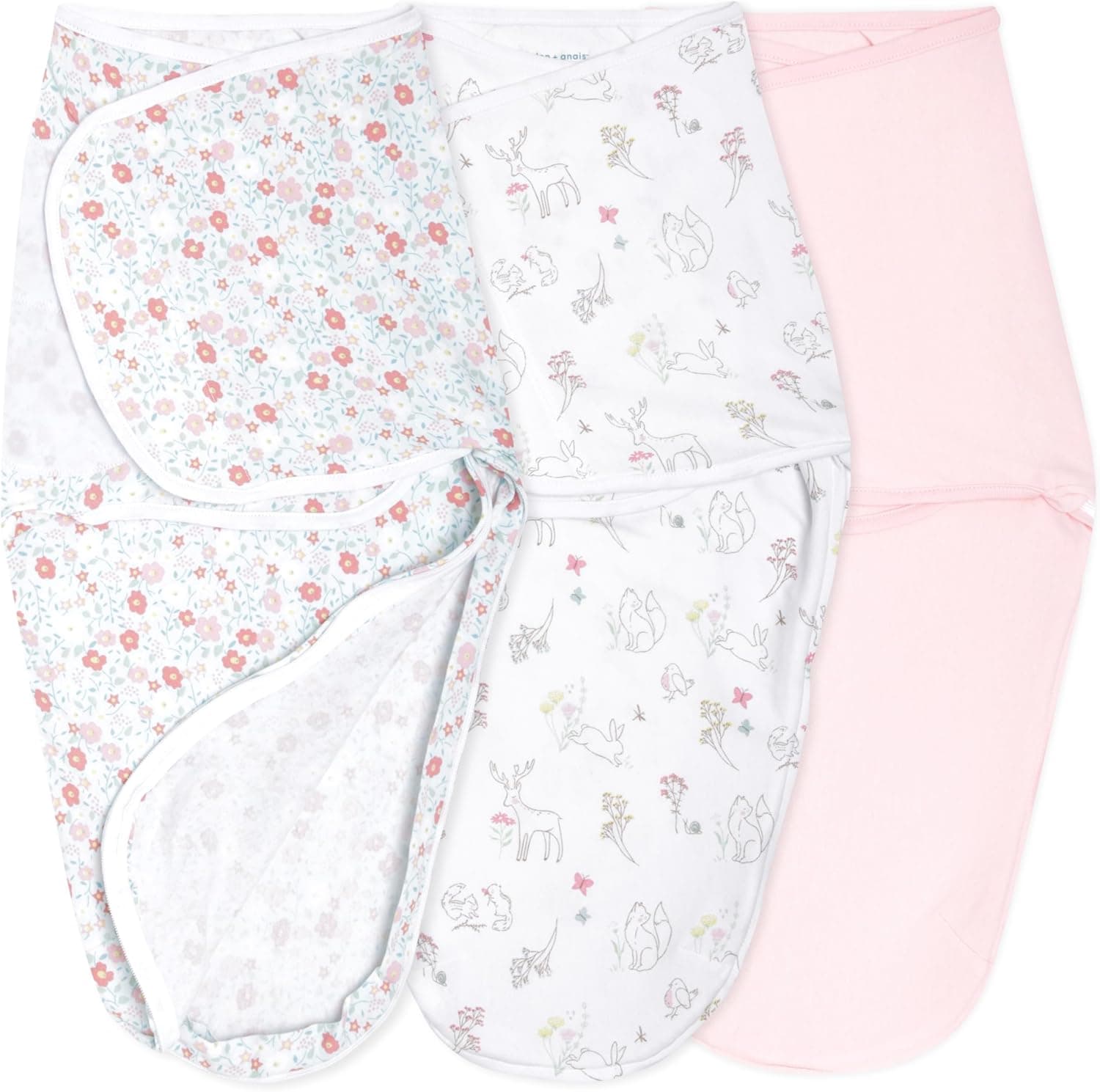

The main benefit is soothing. Newborns have a strong startle, or Moro, reflex that jerks their arms and can wake them. A firm swaddle contains that motion and can help a baby feel secure. Not every baby likes being swaddled, and that is fine; some settle better with arms free. Swaddling is a tool to try, not a rule to enforce.
Technique matters for safety. Use a thin, breathable blanket or a purpose-made swaddle. The wrap should be firm around the chest but never so tight that it restricts breathing; you should be able to slip a hand between the blanket and the baby's chest. Keep the fabric well below the chin and away from the face to avoid any risk of covering the mouth or nose.
Hip positioning is critical. The swaddle must leave room for the baby's legs to bend up and out at the hips, because wrapping the legs tightly and straight can interfere with healthy hip development and contribute to hip dysplasia. Swaddle the arms and torso snugly if desired, but keep the lower half loose enough for the legs to move freely into their natural froglike position.
Safe sleep rules still apply to a swaddled baby. Always place a swaddled infant on their back to sleep, never on the side or stomach, since a swaddled baby who ends up face down cannot easily free their arms to reposition. Keep the crib bare aside from the swaddled baby, and watch that the room does not get too warm, as swaddling adds a layer and raises the risk of overheating.
Knowing when to stop is the most important safety point. Swaddling must end as soon as a baby shows any sign of trying to roll over, which for many babies is around two months but can be earlier. A swaddled baby who rolls to their stomach is at serious risk because they cannot push up or turn their head freely. At the first hint of rolling, transition to a sleep sack with arms free.
The transition out of swaddling can be gradual. Some parents move to a swaddle with one arm out, then both, before switching to a wearable blanket, while others stop all at once. There may be a few unsettled nights as the baby adjusts to more freedom. This is normal, and a correctly sized sleep sack provides warmth and a sense of coziness without the risks that swaddling carries once rolling begins.
Popular right now
- Best Bassinets for Safe Newborn Sleep Close By (2026)Buying guide
- How to Set Up a Bottle-Feeding Station in the NurseryArticle
- Best White Noise Machines for Calmer Baby Sleep (2026)Buying guide
- Best Wearable Blankets for Cozy, Blanket-Free Sleep (2026)Buying guide
- Best Crib Mobiles for Soothing Nurseries (2026)Buying guide
- Baby Clothing Size ChartArticle
Based on the last 28 days of search and visitor data.